What’s next for Syria? Kerim Has discusses geopolitical realignments – VIDEO


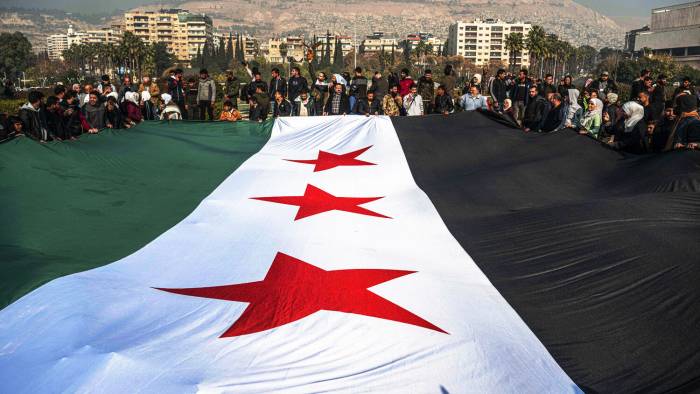

Syrians gather at Umayyad Square to celebrate the collapse of 61 years of Baath Party rule in Damascus on December 9. Photo: Murat Sengul/Anadolu via Getty Images
In a video interview with News.Az, Turkish political analyst Kerim Has provided insights into the shifting dynamics in Syria and their implications for the broader Middle East.
Has highlighted the factors leading to the collapse of the Assad regime, emphasizing its weakened state due to prolonged economic sanctions, war fatigue, and diminishing support from key allies such as Russia and Iran. He noted that Russia's preoccupation with Ukraine and Israel’s consistent strikes on Iranian-backed forces further undermined Assad’s position. In contrast, opposition forces, backed by Türkiye and Western powers, seized the opportunity to expand their influence in key regions.Touching on Türkiye's growing role in Syria, Has underscored Ankara's strategic advances, including control over regions such as Tel Afar. He pointed out President Recep Tayyip Erdogan’s political agenda, particularly the plan for a 30-kilometer buffer zone in northern Syria, aimed at neutralizing Kurdish groups such as the YPG. Domestically, Erdogan is also signaling a potential reconciliation process with Kurdish factions, including the possible release of PKK leader Abdullah Öcalan, as part of efforts to strengthen his political standing.
Regarding the future of Syria, Has expressed doubts about the new leadership’s ability to safeguard minority rights, despite public relations efforts aimed at garnering Western support. He warned of continued uncertainty as Syria’s leadership seeks closer ties with the West, potentially increasing U.S. and Israeli influence in the region while sidelining Russia and Iran.


Similar news