Why Azerbaijan refuses UNESCO access to Karabakh – Details


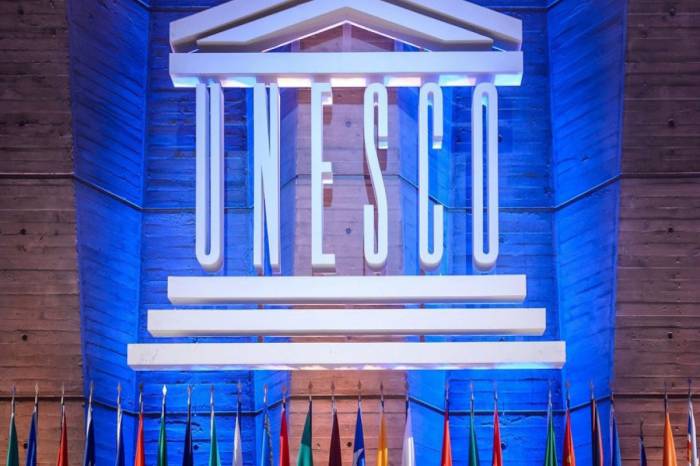
During the Forum of Ancient Civilizations at the UN on Wednesday, Armenia's Foreign Minister Ararat Mirzoyan emphasized the urgent need to send an independent UNESCO expert mission to Karabakh.
The purpose of this mission would be to "assess, document, and protect Armenian cultural heritage at risk." Mirzoyan accused Azerbaijan of the "deliberate and coordinated destruction of Armenian cultural and religious sites, as well as artifacts," urging UNESCO to intervene.Even if Mirzoyan's calls are heard within the organization, it will be practically impossible to implement them. For UNESCO to conduct monitoring in Karabakh, which the international community recognizes as sovereign Azerbaijani territory, Baku's permission is required. UNESCO cannot send a mission to places where it is not welcome.
So, why is Azerbaijan not welcoming UNESCO’s mission? Azerbaijan has nothing to hide. As repeatedly stated and confirmed, the country protects the heritage of all peoples. Nonetheless, Baku continues to deny UNESCO’s requests to enter territories liberated after the 44-day war. Azerbaijan has solid reasons for this refusal.
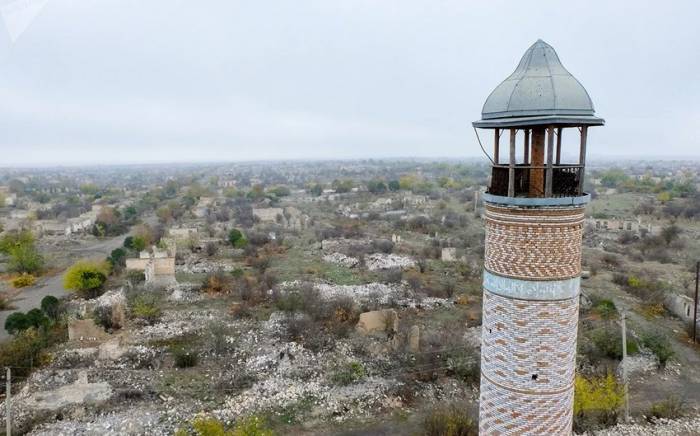
For years, during the Armenian occupation, Azerbaijan repeatedly tried to draw UNESCO’s attention to the threats facing its cultural and historical heritage in the occupied territories. For thirty years, this heritage was systematically and deliberately destroyed, but UNESCO failed to respond appropriately to Azerbaijan’s appeals. The organization cannot claim ignorance of what was happening in the occupied zones. In 2007, a book titled "War Against Azerbaijan – Assault on Cultural Heritage" was presented to UNESCO, listing the cultural and religious monuments destroyed by Armenia in the occupied territories, including detailed information on the Armenianization of Albanian churches. Yet, there was no reaction from UNESCO. To this day, it remains unclear whether UNESCO’s leadership even glanced at a few pages of the book.
In 2008, during a visit to Baku, then UNESCO Director-General Koichiro Matsuura was once again urged by the Azerbaijani side to organize a mission. Matsuura avoided giving a direct response. Ten years later, in 2018, during a meeting with newly-elected UNESCO Director-General Audrey Azoulay, Azerbaijan’s Foreign Minister raised the issue once more. This time, the answer was clear. Azoulay explicitly stated that UNESCO is a humanitarian organization and does not wish to get involved in political issues.
However, after the 44-day war in 2020, UNESCO seemingly forgot its own rule, pressing Baku to allow experts into the liberated territories to verify the preservation of "Armenian heritage." Moreover, according to media reports, UNESCO even planned to conduct satellite monitoring of the monuments in Karabakh in collaboration with another UN agency, UNITAR.
This behavior deeply disappointed Azerbaijan.
In February 2022, a breakthrough seemed imminent. During a quadrilateral meeting with Azerbaijani President Ilham Aliyev, French President Emmanuel Macron, European Council President Charles Michel, and Armenian Prime Minister Nikol Pashinyan , a decision was made to send a UNESCO mission to the region. Two missions were planned—one to Armenia. Initially, Yerevan agreed, but soon after, it withdrew its consent. Allowing a mission to monitor the state of Azerbaijani cultural and historical heritage in Armenia would have been disastrous for Yerevan. Over the past century, all traces of Azerbaijani presence, as the indigenous people of these lands, were wiped out. Nevertheless, archival materials, photographs, and other evidence still exist, which could put Armenia in an unfavorable light.
Thus, the mission was canceled. Armenia withdrew, and UNESCO did not insist.
In November 2023, following the anti-terrorist operation on September 19-20 , UNESCO once again appealed to Baku, asking for permission to monitor the state of "Armenian heritage" in the Karabakh region. Baku responded by saying they were not opposed but suggested that UNESCO experts enter Hankendi through Aghdam and first document what Armenians had done to the city, its monuments, and the Azerbaijani cultural heritage during the occupation. UNESCO refused, insisting they go directly to Hankendi to assess and document objects categorized as "Armenian heritage."
After this exchange, the mission did not take place. The reason is clear and understandable: UNESCO has once again shown that it is not impartial, and its concern for cultural heritage depends on the nationality and religion of the people involved.
Given this, it is hard to believe that Ararat Mirzoyan’s appeals at the Forum of Ancient Civilizations will have any effect. UNESCO will need to make a significant effort to prove its impartiality and objectivity—if that’s even possible.
(If you possess specialized knowledge and wish to contribute, please reach out to us at opinions@news.az).


Similar news