Afghanistan pivots to alternative trade routes as Pakistan transit remains blocked


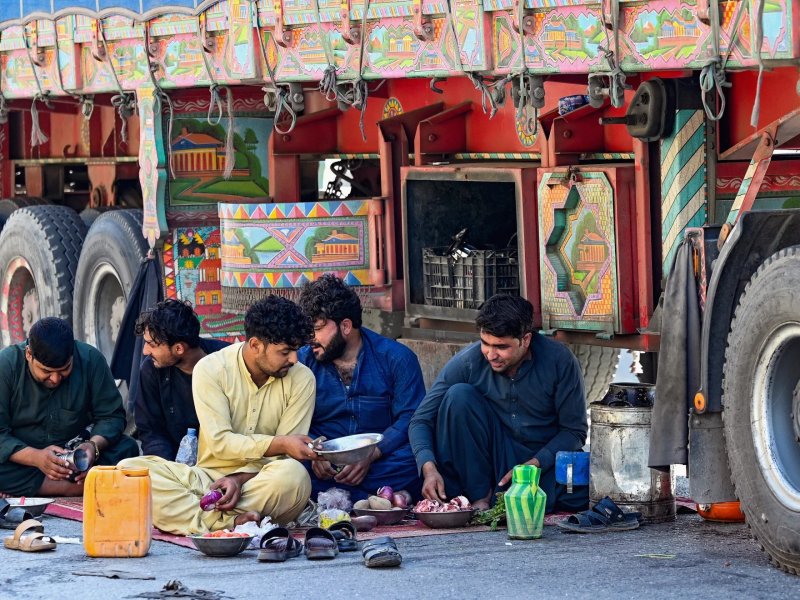
Multiple requests have been made for Indian goods to be transported to Afghanistan by land, but Pakistan has consistently rejected these demands.
During the “Heart of Asia” conference held in Islamabad on December 9, 2015, India’s then-Foreign Minister Sushma Swaraj stated that if Afghan trucks were permitted to carry Indian goods to Afghan and Central Asian markets, it would result in lower transportation costs, sustainability, and benefits for the entire region, News.Az reports, citing The Kabul Times.
Highlighting Afghanistan’s strategic value and trade necessities, she added, “If the arteries are blocked, the ‘Heart’ of Asia cannot function.”
RECOMMENDED STORIES
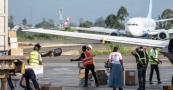
The Afghan Ministry of Industry and Commerce has stated that the primary countries for imports into Afghanistan include Iran, the United Arab Emirates, Pakistan, China, Turkmenistan, Uzbekistan, Russia, Kazakhstan, Malaysia, and India. Imports largely consist of vehicle parts and machinery, fuel (diesel and petrol), flour and wheat, natural gas, electrical appliances, textiles, vegetable oil, black cement, medicine, sella rice, sugar, dairy products and eggs, cigarettes, and raw materials for industrial factories.
Regarding this “progress” in the trade sector, the Reuters news agency reported that following the closure of routes with Pakistan, paths through Iran and Central Asia have resolved and “compensated” for this issue for Afghanistan. According to the agency, while Pakistan had been the vital gateway for Afghanistan’s access to seaports for several decades, traders are now relying on alternative routes through Iran and Central Asia.
Reuters further noted that instead of using Pakistan, traders are now moving their cargo through the Chabahar port via Iran, as well as through Uzbekistan, Turkmenistan, and Tajikistan. This shift has mitigated the impact of the trade halt with Pakistan and the resulting political uncertainty.
Meanwhile, the Afghan government has emphasized that it will not reopen the routes with Pakistan until “strong guarantees” are provided that Pakistan will not use route closures as a tool for “political pressure” under various pretexts in the future.
Overall, the findings of this report indicate that while the closure of trade routes with Pakistan initially sparked concerns among the public and traders, in practice, it has not had a significant negative impact on Afghan markets, particularly in the southern provinces.
According to public accounts, markets have remained largely stable, commodity prices have not risen sharply, and traders have been able to secure their goods through alternative routes. Key factors that have prevented potential economic pressure include the government’s trade management, the activation of alternative corridors, and the expansion of diplomatic and economic ties with other countries.
Furthermore, the report shows that Afghanistan is gradually moving away from a state of trade dependency on a single country and is striving to strengthen its trade routes with Iran, Central Asia, and other nations. This shift has not only contributed to market stability but is also regarded as a crucial step toward long-term economic independence.
The findings reveal that while trade relations with Pakistan remain important, the development of alternative routes can, to a large extent, protect Afghanistan from similar political and economic pressures.
By Leyla Şirinova


Similar news