Bangladesh ex-pm Khaleda Zia dies at 80


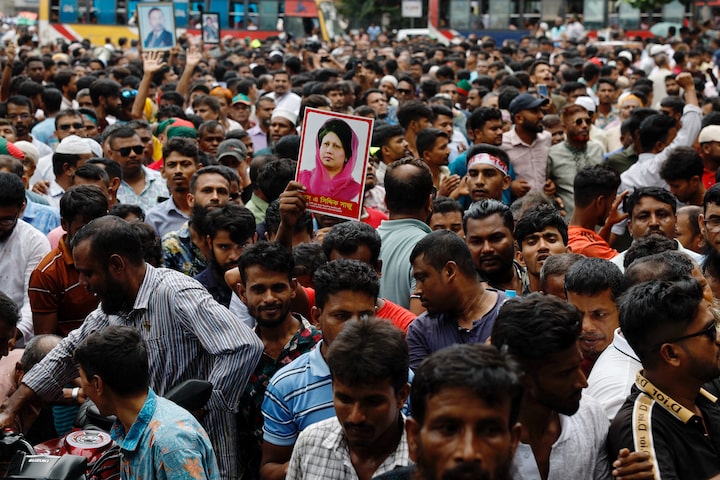
Khaleda Zia, Bangladesh’s first female prime minister and one of the most influential figures in the country’s modern political history, has died at the age of 80 after a long illness, her party said on Tuesday.
The opposition Bangladesh Nationalist Party (BNP) said Zia passed away following prolonged health complications, including advanced liver disease, diabetes, arthritis, and heart problems. She had received medical treatment in London earlier in 2025 before returning home, News.Az reports, citing Reuters.
Zia served as prime minister twice, first coming to power in 1991 after Bangladesh’s first widely recognised free election. Her victory made her the first woman to lead the country and only the second woman to head a democratically elected government in a Muslim-majority nation, after Pakistan’s Benazir Bhutto.
Her political career was defined by a decades-long rivalry with Sheikh Hasina, leader of the Awami League and daughter of Bangladesh’s founding father. The two women dominated national politics for years, earning the nickname “the battling Begums.”
Zia rose to political prominence after the assassination of her husband, President Ziaur Rahman, in 1981, later taking control of the BNP he founded. She played a key role in the 1990 uprising that ended military rule and restored democracy.
During her time in office, Zia reintroduced parliamentary democracy, encouraged foreign investment, and made primary education compulsory and free. However, her second term was overshadowed by corruption allegations, political violence, and the rise of Islamist militancy.
Although she remained out of power after 2006 and spent years in jail or under house arrest, Zia retained strong popular support. Her son, Tarique Rahman, now leads the BNP and is widely seen as a potential contender in the upcoming February parliamentary election, following the ouster of Sheikh Hasina in 2024.
Zia was released from house arrest in August 2024 and was acquitted in corruption cases in early 2025, marking a late legal vindication in a political life marked by intense rivalry, imprisonment, and enduring influence.


Similar news