BYD to boost global EV sales to 1.5 million in 2026


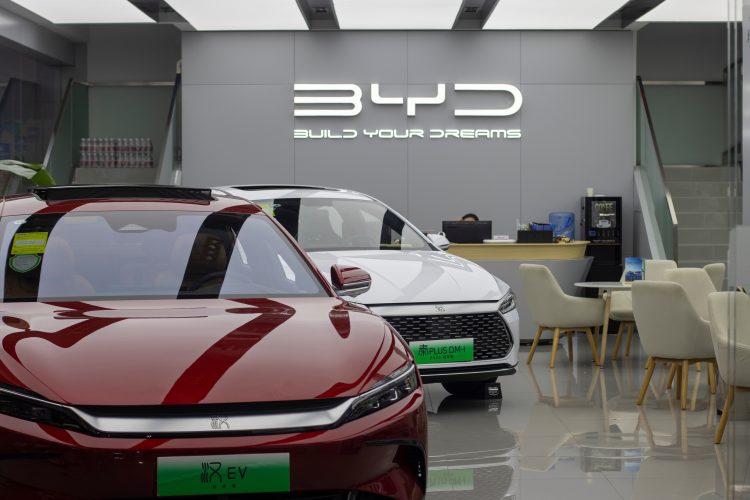
BYD is accelerating its global expansion strategy, setting an ambitious target of selling 1.5 million electric vehicles outside China in 2026 as it seeks to offset slowing domestic demand and strengthen its position as a global EV leader.
BYD has expressed strong confidence that it can reach 1.5 million overseas vehicle sales in 2026, marking a significant increase from earlier projections of around 1.3 million units.
RECOMMENDED STORIES
The revised target reflects growing optimism about international demand and signals a major strategic shift toward global markets. The company now expects overseas sales to account for a much larger share of its overall business, potentially reaching around half of total revenue in the coming years.
Why is BYD focusing on overseas markets?
The push into international markets comes as BYD faces increasing pressure at home. China’s EV market has become highly competitive, with price wars and weakening demand affecting profitability.
In 2025, the company reported its first annual profit decline in four years, driven by shrinking margins and intense competition.
As a result, BYD is pivoting toward overseas markets where demand is growing more rapidly and competition dynamics are different. Expanding internationally allows the company to diversify revenue streams and reduce reliance on its domestic market.
How significant is the 1.5 million target?
The 1.5 million overseas sales goal represents a major leap in scale.
- BYD exported just over 1 million vehicles in 2025
- The new target implies continued rapid growth
- It would make BYD one of the largest global EV exporters
The increase also reflects a roughly 15 percent rise from earlier expectations, highlighting stronger-than-anticipated demand in foreign markets.
Which regions are driving growth?
BYD is seeing strong demand across multiple regions, including:
- Europe
- Latin America
- Southeast Asia
- Australia
The company is also preparing to expand into additional markets, including Canada, while navigating regulatory challenges in others such as the United States.
In Europe in particular, BYD has recorded rapid growth in registrations, significantly outpacing some competitors in early 2026.
How is BYD supporting its global expansion?
To meet its ambitious targets, BYD is investing heavily in international production and supply chains.
Key initiatives include:
- Building new factories in Europe and Indonesia
- Expanding manufacturing capacity in Brazil
- Increasing localization to reduce tariffs and logistics costs
These investments are designed to ensure that BYD can scale production efficiently while adapting to local market requirements.
The company is also focusing on technology and innovation rather than competing solely on price, aiming to differentiate its vehicles in increasingly crowded markets.
How does BYD compare to competitors?
BYD has emerged as one of the strongest competitors in the global EV industry, even surpassing Tesla in total EV deliveries in 2025.
Its strengths include:
- A broad product lineup ranging from affordable models to premium vehicles
- Advanced battery technology, including its Blade battery
- Strong vertical integration in manufacturing
However, competition remains intense, with global automakers and emerging EV brands all vying for market share.
What challenges does BYD face?
Despite its rapid growth, BYD faces several key challenges.
First, regulatory barriers remain a significant hurdle, particularly in markets like the United States, where tariffs and trade policies limit access.
Second, profitability is under pressure. Even as sales grow, margins have been affected by price competition and rising costs.
Third, the company must navigate cultural and brand perception differences across markets, which can influence consumer adoption.
Finally, scaling operations globally requires significant investment and operational complexity.
What does this mean for the global EV market?
BYD’s aggressive expansion highlights a broader shift in the global EV industry.
Chinese manufacturers are increasingly moving beyond their domestic market and becoming major players on the international stage. This is intensifying competition and accelerating innovation across the sector.
At the same time, rising fuel prices and environmental concerns are driving demand for electric vehicles worldwide, creating favourable conditions for expansion.
BYD’s strategy reflects a growing trend where global growth, rather than domestic dominance, becomes the key battleground.
What is the long-term outlook?
If BYD successfully reaches its 1.5 million overseas sales target, it could significantly reshape the global EV landscape.
The company would:
- Strengthen its position as a global leader
- Increase its influence in key international markets
- Accelerate the adoption of EVs worldwide
However, success will depend on execution, including the ability to scale production, maintain quality, and navigate regulatory challenges.
Final takeaway
BYD’s target of 1.5 million overseas EV sales in 2026 underscores a decisive shift toward global expansion at a time when domestic pressures are mounting.
The company is betting that international markets will drive its next phase of growth, even as competition intensifies and challenges remain.
If successful, BYD could redefine the balance of power in the global electric vehicle industry.
By Faig Mahmudov


Similar news