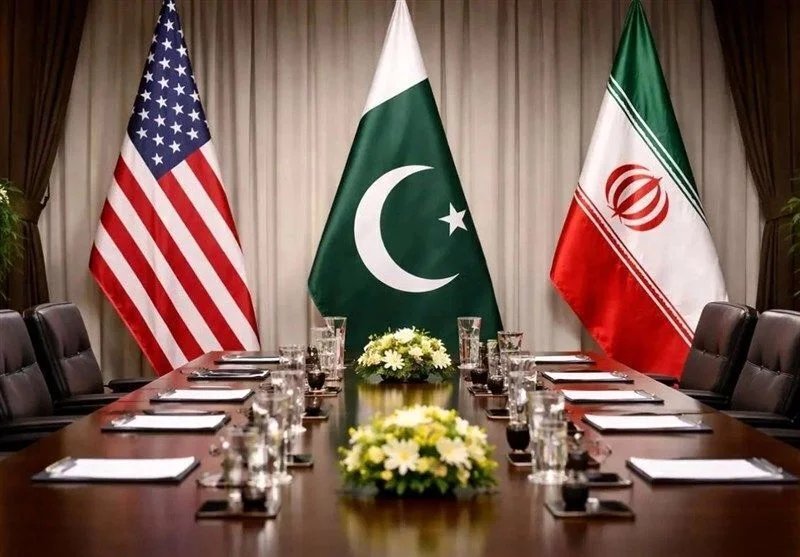
The latest comments came from Pakistan’s Ambassador to Russia, Faisal Niaz Tirmizi, who said both the Iranian and US leaderships have shown willingness to continue negotiations in Islamabad. According to him, Pakistan has already been communicating with both sides and providing what it described as an “honest assessment” of the situation.
The development highlights Pakistan’s growing diplomatic role in one of the world’s most sensitive geopolitical confrontations. Islamabad has attempted to position itself as a mediator capable of helping prevent a wider regional conflict while also strengthening its own international standing.
Why is Islamabad being considered for US–Iran talks?
Several factors explain why Pakistan’s capital is emerging as a possible venue for future negotiations.
Pakistan maintains relations with both sides
Pakistan has working diplomatic relations with both Iran and the United States. Unlike some regional countries that are seen as aligned too closely with one side, Pakistan believes it can maintain communication channels with both governments simultaneously.
Pakistan also has strategic and economic reasons to avoid a prolonged conflict in the Middle East. Any escalation involving Iran can directly affect regional trade, oil supplies and Pakistan’s economy.
Islamabad has already hosted earlier negotiations
Islamabad previously hosted talks connected to the current US–Iran diplomatic process earlier in 2026. Those negotiations reportedly lasted many hours and focused on issues including the Strait of Hormuz, sanctions relief and Iran’s nuclear activities. Although no final agreement was reached, diplomats described the discussions as important groundwork for future diplomacy.
Pakistani officials later continued efforts to bring both sides back to the negotiating table, suggesting Islamabad wanted to establish an ongoing diplomatic framework sometimes referred to as the “Islamabad process.”
Pakistan sees mediation as a diplomatic opportunity
Analysts say Pakistan’s mediation efforts also serve broader strategic goals. By helping facilitate dialogue between Washington and Tehran, Islamabad can present itself as a responsible regional actor and increase its diplomatic relevance internationally.
Pakistan’s leadership reportedly believes successful mediation could improve its relations with Western countries while also strengthening ties with Gulf states and neighboring Iran.
What issues are expected to dominate the talks?
Future negotiations are expected to focus on several major disputes that continue to divide Washington and Tehran.
Iran’s nuclear program
The nuclear issue remains one of the biggest obstacles. Reports suggest the United States wants strict limits or long term restrictions on uranium enrichment, while Iran insists on maintaining certain nuclear rights and capabilities.
Negotiators have reportedly discussed temporary compromises and phased agreements, though major differences remain unresolved.
Sanctions relief
Iran continues to demand relief from US economic sanctions, arguing that sanctions have severely damaged its economy. The United States has indicated sanctions relief may depend on Iranian compliance with future agreements.
Questions about frozen Iranian assets and international financial restrictions are also expected to remain central topics.
Strait of Hormuz security
The Strait of Hormuz remains strategically critical because a large percentage of global oil shipments pass through the waterway. Regional tensions and threats to shipping routes have increased international concern over energy security and global trade stability.
Pakistani officials say reopening and stabilizing maritime traffic has become one of the top priorities in diplomatic discussions.
Are direct US–Iran talks confirmed?
Not fully.
While multiple reports suggest preparations for future negotiations are underway, Iran has at times publicly denied plans for direct face to face talks with the United States in Islamabad. Iranian officials have instead emphasized indirect communication through intermediaries, including Pakistan.
At the same time, American and Pakistani sources have continued signaling optimism that negotiations could resume soon.
This reflects the highly sensitive and complicated nature of the diplomacy. Public messaging often differs from behind the scenes negotiations.
Why do these talks matter globally?
The possible US–Iran negotiations are important not only for the Middle East but also for the wider international community.
Risk of wider regional conflict
Any direct confrontation involving the United States and Iran could destabilize large parts of the Middle East and potentially involve multiple countries across the region. Diplomatic talks are therefore viewed as an attempt to reduce the risk of broader military escalation.
Impact on global energy markets
Tensions involving Iran and the Strait of Hormuz can quickly affect global oil prices and international shipping routes. Markets closely monitor every sign of progress or breakdown in negotiations.
Major geopolitical implications
The talks also influence relationships involving countries such as Saudi Arabia, China, Russia and European states. Many governments are watching closely because the outcome could reshape alliances and diplomatic balances across the region.
Could Islamabad become a permanent diplomatic channel?
It is still too early to say, but Pakistan clearly hopes so.
Pakistani officials have repeatedly stressed that their country wants to facilitate peaceful dialogue and remain involved in future negotiations. Some analysts believe Islamabad could emerge as a long term intermediary if both Washington and Tehran continue accepting Pakistan’s role.
However, significant challenges remain. Deep distrust between the United States and Iran continues to complicate negotiations, and even small developments in the region could quickly derail diplomatic efforts.
For now, Islamabad appears to be positioning itself as one of the key locations where future diplomacy between the US and Iran could take place.