Ford Motor reports largest quarterly loss in its history


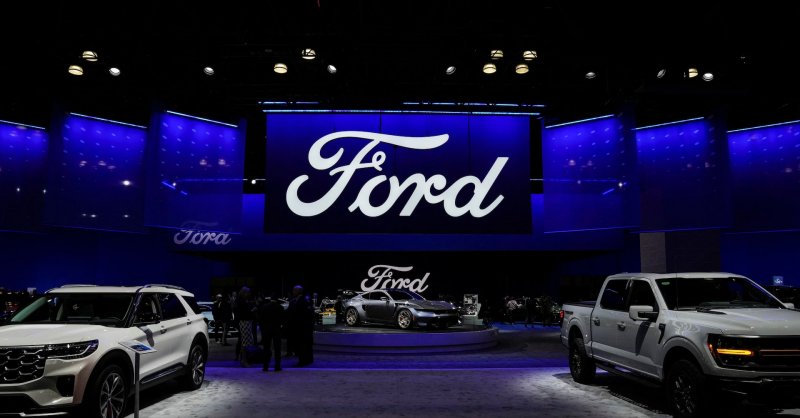
Ford Motor Company has reported a major quarterly loss of $11.1 billion, underscoring the growing financial pressure facing traditional automakers as they transition toward electric vehicles.
The loss was driven by several key factors, including restructuring costs tied to Ford’s electric vehicle division, supply chain disruptions following a fire at an aluminum supplier, and the impact of U.S. import tariffs introduced during the administration of President Donald Trump, News.Az reports, citing Ford Authority.
Earlier, Ford had already announced a $19.5 billion write-down linked to its battery-powered vehicle programs. The latest results mark a sharp contrast to the same period last year, when the company posted a profit of $1.8 billion. Revenue also declined by 5% year-on-year, reaching $45.9 billion.
RECOMMENDED STORIES
Performance across Ford’s business units showed a widening gap between traditional and new technologies. The company’s electric vehicle division recorded an operating loss of $1.2 billion, while internal combustion engine vehicles remained profitable, generating $727 million in operating profit. Meanwhile, Ford’s commercial vehicle segment delivered around $1.2 billion in operating earnings.
Like many legacy automakers, Ford has invested heavily in electrification to compete with industry leaders such as Tesla. However, the company is now adjusting its strategy, placing greater emphasis on hybrid vehicles and smaller electric models. Ford has also discontinued plans for the fully electric version of its large F-150 pickup truck.
Industry analysts say the results reflect broader challenges across the global auto sector, where high development costs, supply chain risks, and uncertain consumer demand continue to complicate the transition to electric mobility. For investors, Ford’s results highlight the importance of balancing exposure between emerging technologies and established profit-generating vehicle segments as the industry navigates a complex transformation.
By Aysel Mammadzada


Similar news