How Apple’s product purge quietly closed the iPhone SE chapter


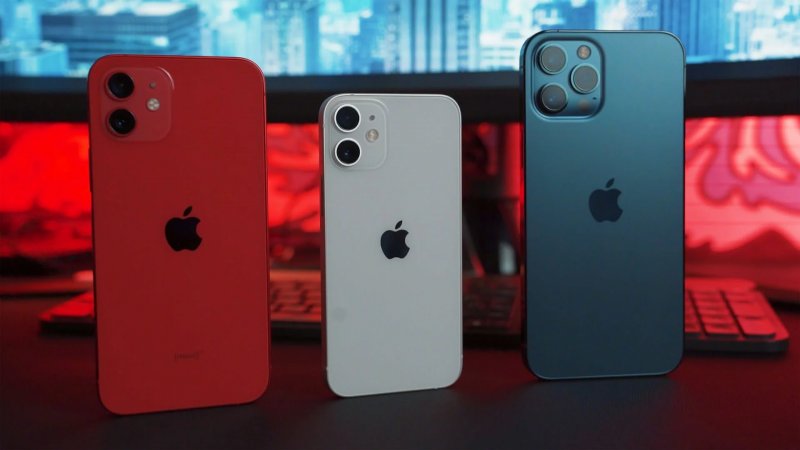
Apple has drawn a clear line between its past and future by retiring 25 products across its lineup, including the final iPhone SE, News.Az reports
For many consumers, the SE symbolized affordability and compact design in a smartphone world that kept getting bigger and more expensive. Its quiet exit marks the end of an era, while the wider product reset signals Apple’s determination to streamline and modernize its ecosystem.
This FAQ explainer breaks down what Apple has retired, why it matters, and what consumers should expect next.
What exactly did Apple retire?
Over the course of the year, Apple removed around 25 devices and accessories from active sale. These span multiple product lines, including iPhone, iPad, Apple Watch, Mac computers, and legacy accessories.
Among the most notable exits are:
– iPhone SE (third generation), the final model in the SE family
– Several recent iPhone models that were replaced by newer generations
– Older iPad Air, iPad Pro, and base iPad variants
– Apple Watch models superseded by new versions, including SE-class devices
– MacBook Air and MacBook Pro configurations running earlier chipsets
– Older Mac Studio configurations
– Multiple accessories based on Lightning or older charging standards
– Previous-generation AirPods and chargers
Not all of these retirements were dramatic announcements. Many happened quietly, as Apple prefers to phase out older products once inventory runs out.
Why is the end of the iPhone SE such a big deal?
The iPhone SE series occupied a unique place in Apple’s smartphone strategy. Launched first in 2016, the SE was designed to deliver Apple’s performance standards in a compact, familiar body at a comparatively affordable price. It preserved the classic home button, Touch ID, and smaller screen size long after the mainline iPhone switched to Face ID and larger displays.
With the third-generation iPhone SE now discontinued, Apple no longer sells:
– Any iPhone with a physical home button
– Any iPhone with Touch ID
– Any compact 4.7-inch device
– Any iPhone using an LCD display
– Any Lightning port iPhone in some markets depending on rollout cycles
The SE catered especially to users who valued one-handed use, simplicity, or lower price points. Its departure closes the chapter on Apple’s last traditional smartphone design.
Why did Apple make this decision?
There are several strategic and technical reasons.
Apple periodically refreshes its product lineup. When newer models come in with improved chips, batteries, or displays, older versions naturally phase out.
Apple also appears intent on simplifying its catalog. In recent years, overlapping product tiers and older designs made the range harder for consumers to navigate. A cleaner lineup means clearer purchasing decisions.
Technology transitions are accelerating as well. Apple is moving toward USB-C, Face ID, larger and brighter displays, and unified design language across devices. Supporting multiple legacy standards adds cost and complexity.
Finally, retiring older products allows Apple to concentrate resources on research, development, and future product categories.
What happens to people who already own retired devices?
Discontinuation does not mean immediate loss of support. Apple typically provides software updates, security patches, and repair services for several years after a product leaves sale. Only after around seven years does a product officially become “obsolete,” meaning Apple no longer services it.
Owners of the last iPhone SE can expect updates for some time. However, resale value usually declines faster after a product is discontinued, accessory support may gradually reduce, and repairs may become more expensive or limited later in the lifecycle.
Does this mean Apple is abandoning affordable phones?
Not necessarily. Instead of building a separate SE-style body with legacy features, Apple may rely on older flagship models sold at reduced prices, trade-in incentives, installment plans, and regional pricing strategies.
Still, critics argue that without the SE, Apple’s entry point into the iPhone lineup has clearly moved higher than before.
What eras are ending with this shift?
Several long-running Apple traditions have effectively concluded.
The compact iPhone era is over, at least for now. Devices optimized for one-handed use are no longer part of the active portfolio.
The Touch ID home button era has ended on iPhone, with Face ID now standard across modern models.
The Lightning connector era is rapidly winding down as USB-C becomes dominant.
And the era of highly diverse body designs has narrowed, as Apple aligns devices into fewer, more uniform aesthetics.
For long-time Apple users, these changes are both symbolic and emotional. These features defined the iPhone identity for more than a decade.
How does this affect the broader Apple strategy?
The mass retirement indicates a focus on ecosystem consistency, performance standardization, technology consolidation, and forward-looking innovation.
Apple wants devices that look, connect, and behave in a similar way. With Apple Silicon expanding across devices, older products no longer align with performance expectations. Supporting fewer unique designs and standards lowers production and support cost. And clearing legacy hardware makes room for new device categories and AI-driven features.
Is this scale of retirement normal?
Apple refreshes products every year, but eliminating roughly 25 devices in one cycle is unusually extensive. It reflects a deliberate cleanup of overlapping generations and a strategic break from legacy design philosophies.
What should consumers consider before upgrading?
If you own one of the discontinued products, consider how long you plan to keep the device and whether it still meets your daily needs. Software support timelines, battery condition, repair availability, and accessory compatibility are key factors.
With the industry shift to USB-C, Lightning users may soon need adapters or replacements. And if resale value matters, selling earlier typically preserves more value.
What does the end of the iPhone SE mean for small-phone fans?
For now, it means compromise. Apple’s smallest modern devices are still larger than the SE. Users who prized pocket-sized phones with physical buttons no longer have a new-device option in Apple’s lineup.
Some analysts believe Apple may eventually revisit compact devices if market demand resurges, but there is no official indication of that today.
What happens to accessories based on old standards?
Many Lightning-based chargers, cables, and audio accessories are slowly being phased out. Third-party manufacturers may continue support for some time, but long-term availability will shrink. Consumers moving to USB-C devices will need to plan for changes in cables and chargers.
Will Apple Watch and iPad owners see similar transitions?
Yes. Older Watch and iPad designs are leaving the catalog as Apple prioritizes newer chip generations, improved performance, better battery efficiency, and a more consistent product structure. Existing users will still receive updates, but the active sales lineup is becoming more aligned.
What is Apple likely to do next?
Looking forward, Apple’s focus appears to be advancing Apple Silicon, strengthening AI capabilities, deepening integration across iPhone, iPad, Mac, and Watch, and preparing for future categories while continuing the shift toward unified charging and connectivity.
How should consumers interpret this move?
From Apple’s perspective, retiring legacy devices clears the path for innovation and simplifies operations. From the consumer perspective, it removes some affordable and compact options and closes the door on beloved design traditions.
Conclusion
Apple’s decision to retire 25 products in one year and formally end the iPhone SE era marks a historic transition. It is both a business strategy and a cultural moment. For nearly a decade, the SE line offered a bridge between Apple’s classic design language and the modern smartphone world. With its exit, Apple has chosen to fully embrace a future built around uniform design, larger displays, Face ID, USB-C, and high-performance silicon.
Existing users still have time before support fades, but the direction is unmistakable. Apple’s portfolio is getting leaner, more standardized, and more future-focused. The retirement wave signals not just the end of devices, but the conclusion of a design philosophy that defined Apple for years.


Similar news