How crucial is Qatar's Ras Laffan LNG facility?


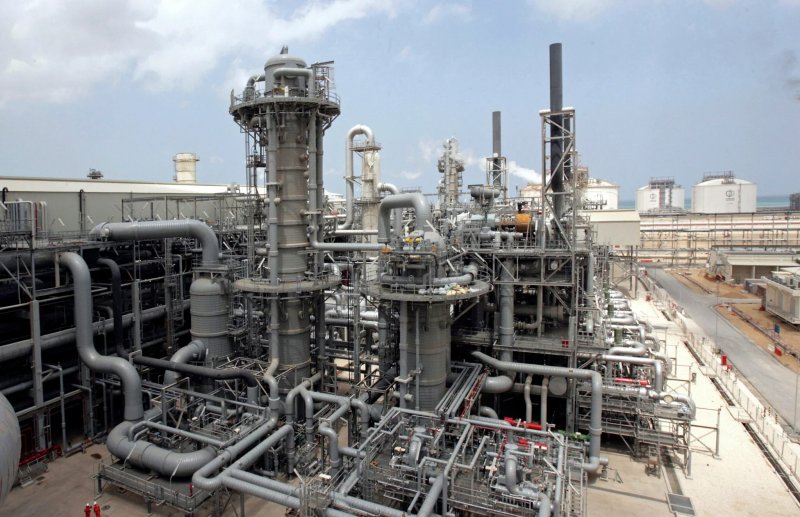
In an escalation of the US-Israel conflict with Iran, Israel targeted Iran's vital South Pars gas field on Wednesday. In retaliation, Iran launched strikes on energy facilities throughout the Gulf region, including an attack on a gas facility at Qatar's Ras Laffan plant earlier today.
The Ras Laffan complex, located 80km (50 miles) northeast of the Qatari capital, Doha, is the world’s largest liquified natural gas (LNG) production facility, producing about 20 percent of the world’s LNG supply and playing a major role in balancing Asian and European markets’ demand for the fuel, News.Az reports, citing foreign media.
RECOMMENDED STORIES
At the start of March, just days into the war, Qatar suspended LNG production following an attack close to the Ras Laffan facility.
Rachel Ziemba, a senior fellow at the Center for a New American Security, said the fact that Ras Laffan had already paused production meant there would be no immediate new global supply shock in the near term as a result of the latest strikes.
Still, earlier today, CEO of state-owned QatarEnergy Saad al-Kaabi said Iran’s attacks damaged facilities that produce 17 percent of the company’s exports, and it will take three to five years to repair them.
QatarEnergy may have to declare force majeure on long-term contracts for up to five years for LNG supplies bound for Italy, Belgium, South Korea and China because of the damage, al-Kaabi said.
The damaged infrastructure cost about $26bn to build, he added.
By Ulviyya Salmanli


Similar news