How U.S.–China trade tensions reshape Central Asian and Caspian economies


.png)
Editor’s note: Faig Mahmudov is a journalist based in Azerbaijan. The views expressed are the author’s own and do not necessarily reflect those of News.Az.
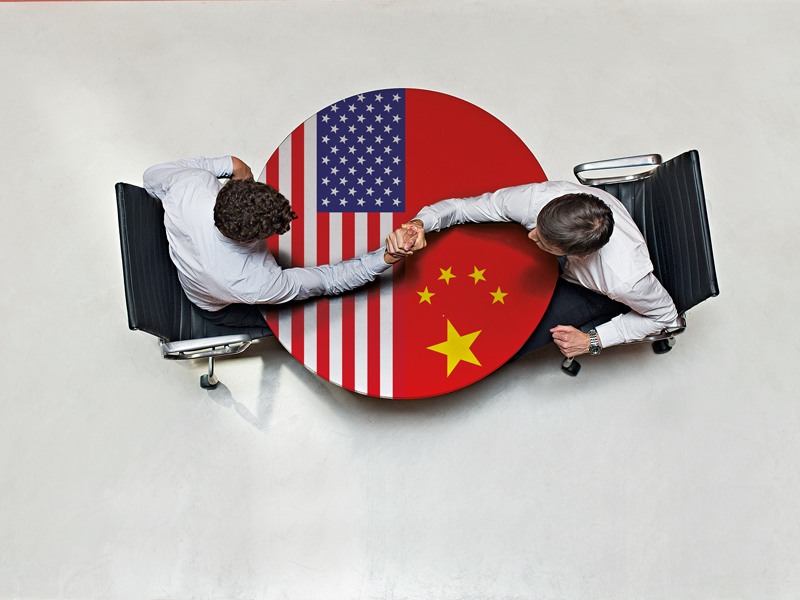
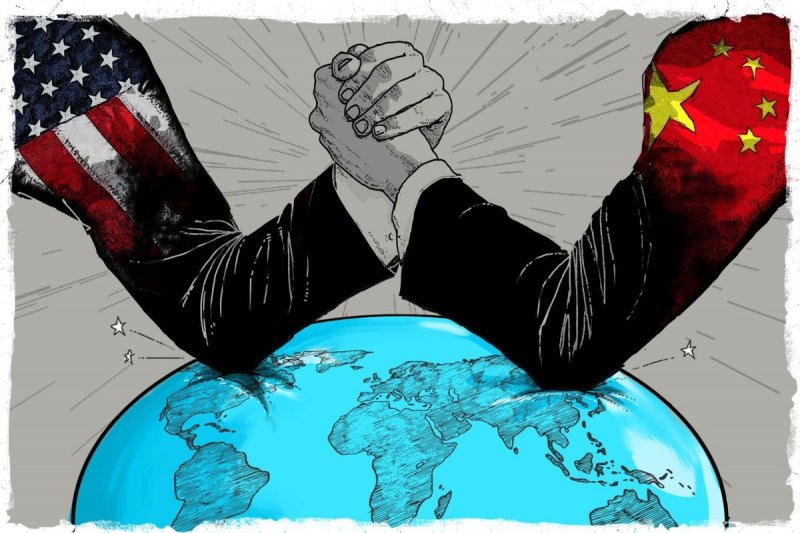
In recent weeks, tensions in U.S.–China trade relations have shown that the global economic balance is entering a new phase. Washington’s decision to impose additional tariffs on Chinese goods, restrict technology exports, and protect strategic sectors under the pretext of national security has prompted retaliatory measures from Beijing.
China, in turn, has introduced limits on certain raw materials and rare metals exported to the United States. As a result, uncertainty in global markets has risen, with investors withdrawing from risky assets and turning to gold, the U.S. dollar, and government bonds.
This situation represents not merely a trade dispute between two major economies but also a sign of the restructuring of the global economic order.
In such circumstances, oil markets are particularly sensitive. As U.S.–China tensions deepen, international trade flows and production chains are disrupted, leading to changes in the structure of global energy demand.
Meanwhile, political turmoil in the Middle East, especially the escalation of the Israel–Palestine conflict and the deadlock in nuclear negotiations between Iran and the West, adds further pressure to oil markets. OPEC+ policies limiting production keep prices artificially high. Currently, Brent crude is nearing $90 per barrel, one of its highest levels in the past year.

Source: Reuters
This situation brings both strategic opportunities and significant economic risks for the Central Asian and Caspian region. For energy-exporting countries such as Kazakhstan, Azerbaijan, and Turkmenistan, higher oil prices mean increased budget revenues, stronger foreign currency reserves, and an improved trade balance.
For Azerbaijan, this translates into additional profits from export operations carried out through SOCAR. In Kazakhstan, rising output from the Tengiz and Kashagan fields strengthens fiscal stability.
However, alongside rising oil prices, inflationary pressures within these economies are also growing. Increased energy revenues lead to higher domestic consumption and public spending, which can undermine price stability.
In economically closed countries such as Turkmenistan, high energy revenues may delay structural reforms. Short-term income growth cannot substitute for long-term diversification. Unless these nations develop alternative economic sectors, such as agriculture, technology, logistics, and tourism, to reduce dependence on oil, every fluctuation in the energy market will threaten overall financial stability.
In this context, central bank policy plays a decisive role. The U.S. Federal Reserve intends to maintain high interest rates for an extended period due to persistently high inflation, and the European Central Bank is moving in a similar direction. Elevated interest rates strengthen the dollar and trigger capital outflows from emerging markets, putting pressure on Central Asian currencies. Currencies such as the Azerbaijani manat, Kazakhstani tenge, and Turkmen manat must rely on substantial foreign exchange reserves to maintain their fixed exchange rate regimes.
Source: TREND
The National Bank of Kazakhstan maintains a tight monetary policy and keeps interest rates high despite inflation remaining in double digits. The Central Bank of Azerbaijan, while relatively stable due to oil revenues, must act cautiously in foreign currency markets. As in Türkiye, managing inflation and preserving currency stability require structural reforms in the public sector.
In countries with closed economic models, such as Turkmenistan, the central bank’s monetary tools are limited, increasing the risk of social discontent.
The decline in global dollar liquidity creates unfavorable conditions for both lending and foreign investment across the region. Slower capital inflows complicate the financing of new projects. Furthermore, oil price volatility adds additional risks to budget planning. While rising oil prices provide short-term revenue, a drop in prices can quickly erode these gains.
Under such conditions, fiscal discipline and the creation of sovereign wealth funds become particularly important.
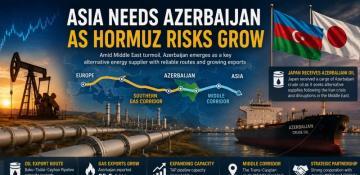
At the same time, new opportunities are emerging for the region. The restructuring of global supply chains could transform Central Asian countries into alternative production and transit hubs between Europe and Asia. The “Middle Corridor” project, which connects the Caspian Sea to European markets, offers a major strategic advantage. A growing share of freight traffic between China and Europe already passes through Kazakhstan, Azerbaijan, and Georgia. If these countries expand infrastructure investments and simplify customs procedures along this corridor, trade volumes could increase substantially.
Source: News.Az
Fluctuations in gold prices are also notable. During periods of global economic instability, central banks and investors tend to turn to gold, making diversification of foreign exchange reserves particularly relevant for Central Asian economies.
Decisions by the central banks of Azerbaijan and Kazakhstan to increase gold holdings are significant steps toward strengthening monetary security.
Ultimately, the new economic environment shaped by U.S.–China trade tensions and rising oil prices presents both challenges and opportunities for the Central Asian and Caspian region. The region’s future economic stability will depend on its ability to adapt to global shifts, pursue flexible financial policies, and foster regional cooperation. Effective management of energy revenues, economic diversification, and coordinated central bank decisions will serve as key pillars protecting these economies from global financial turbulence.
Economically, this period marks a turning point for Central Asia: the region can either rely solely on oil and gas revenues for a brief phase of comfort or lay the foundation for a sustainable economic model as a pathway out of global risks. The new wave sweeping through the world economy offers the region both a challenge and a unique opportunity to reinvent itself.
(If you possess specialized knowledge and wish to contribute, please reach out to us at opinions@news.az).


Similar news