India faces growing threat from climate extremes


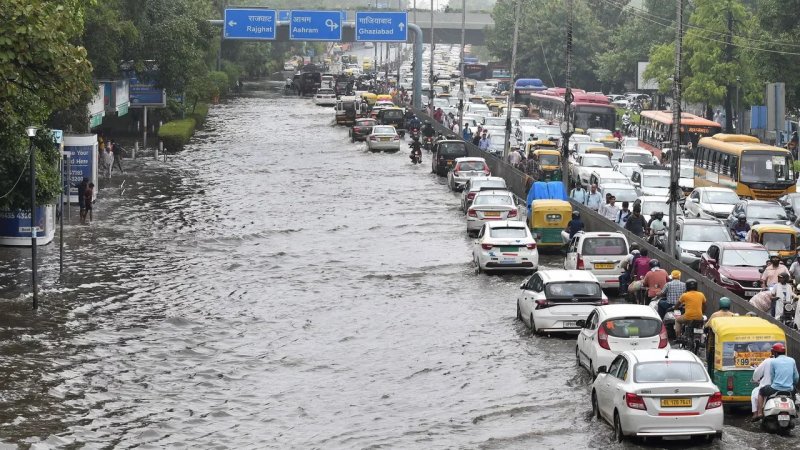
Extreme weather events across India continue to claim lives and cause widespread destruction, underscoring the growing intensity of climate-related risks facing the country. From deadly heatwaves and flash floods to cyclones and landslides, the scale and frequency of these events have raised concerns among scientists, policymakers and disaster response agencies.
In 2026, multiple regions across India have experienced severe weather impacts. Intense rainfall has triggered flooding in several states, damaging homes, roads, and bridges while displacing thousands of residents. At the same time, prolonged heatwaves in other parts of the country have pushed temperatures to dangerous levels, contributing to fatalities and placing strain on health systems and power infrastructure.
A pattern of increasing extremes
India’s geography makes it particularly vulnerable to a wide range of weather hazards. The monsoon system, which delivers the majority of the country’s annual rainfall, has become increasingly erratic. Periods of intense downpours are often followed by dry spells, creating a cycle of floods and droughts that disrupt agriculture and livelihoods.
RECOMMENDED STORIES
Climate scientists point to the influence of global phenomena such as the El Niño–Southern Oscillation, which can alter rainfall distribution and temperature patterns across South Asia. When combined with rising global temperatures, these shifts can intensify extreme weather events.
Floods and infrastructure damage
Heavy rains during the monsoon season frequently overwhelm urban drainage systems and river basins. In several recent cases, flash floods have submerged entire neighborhoods, washed away roads, and disrupted rail and power networks.
Mountainous regions, particularly in northern India, face additional risks from landslides triggered by saturated soil and unstable terrain. These events can cut off remote communities, damage highways, and complicate rescue operations.
Urban centers are especially exposed due to rapid expansion and limited drainage capacity. Cities with dense populations and aging infrastructure often struggle to cope with sudden bursts of rainfall, leading to waterlogging, traffic paralysis and economic losses.
Heatwaves add to the crisis
While floods dominate during the monsoon, extreme heat has become an equally serious threat. In recent years, India has recorded some of its highest temperatures, with heatwaves arriving earlier and lasting longer.
These conditions have led to increased mortality, particularly among vulnerable populations such as the elderly, outdoor workers and those without access to cooling. Power demand surges during heatwaves, sometimes resulting in outages that further exacerbate the situation.
The combination of heat stress and water scarcity also affects agriculture, reducing crop yields and increasing pressure on food systems.
Human and economic impact
The cumulative impact of extreme weather in India is significant. Loss of life, displacement of communities and destruction of infrastructure place a heavy burden on local and national authorities.
Economic losses from damaged roads, bridges, housing and crops run into billions of dollars annually. Recovery efforts often divert resources from long-term development goals, slowing progress in vulnerable regions.
Insurance coverage remains limited in many parts of the country, leaving households and small businesses exposed to financial shocks after disasters.
Strengthening preparedness and resilience
India has made progress in improving disaster preparedness, including the expansion of early warning systems and evacuation planning for cyclones and floods. Public awareness campaigns and emergency response mechanisms have also helped reduce casualties in some high-risk areas.
However, experts emphasize that more needs to be done to strengthen infrastructure resilience. This includes upgrading drainage systems, enforcing building codes, and investing in climate-resilient urban planning.
Nature-based solutions, such as restoring wetlands and improving watershed management, are also being explored to reduce flood risks and enhance water security.
Looking ahead
Extreme weather events are expected to remain a persistent challenge for India as climate patterns continue to evolve. While individual events cannot always be predicted, the overall trend points to increasing variability and intensity.
Addressing these risks will require coordinated efforts at local, national and global levels. As 2026 data highlights the growing toll of extreme weather, building resilience and adapting to a changing climate has become an urgent priority for one of the world’s most populous nations.
By Nijat Babayev


Similar news