Indian cities at highest risk from super El Nino


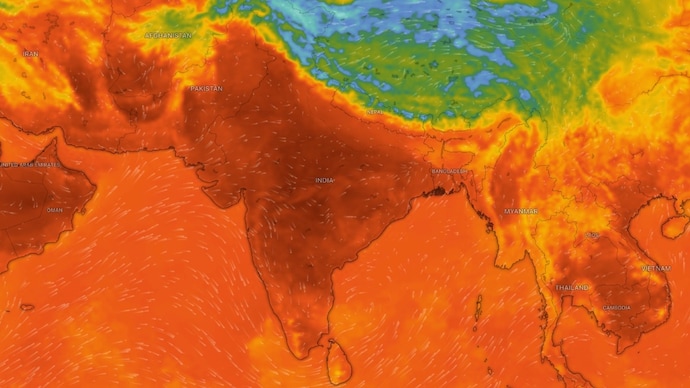
India is heading into a potentially difficult monsoon season as meteorologists warn that a developing super El Nino event could bring below-normal rainfall, extreme heat, and mounting pressure on agriculture and water supplies across several major cities and states.
According to the India Meteorological Department (IMD), the 2026 southwest monsoon is expected to be weaker than usual, raising concerns for millions of farmers and urban residents who rely heavily on seasonal rains, News.Az reports, citing India Today.
A strengthening El Nino pattern in the Pacific Ocean is seen as the main driver behind the forecast. El Nino events typically disrupt rainfall patterns in India, often resulting in reduced monsoon activity, hotter temperatures, drought conditions, and lower agricultural output.
RECOMMENDED STORIES
Major urban centers considered vulnerable to the effects of an intense El Nino include Delhi, Mumbai, Bengaluru, Chennai, Hyderabad, and Kolkata, where heatwaves, water shortages, and pressure on infrastructure could intensify if rainfall deficits worsen.
Agriculture remains one of the biggest concerns. Nearly 60% of Indian farmers depend entirely on monsoon rainfall during the critical kharif crop season. A weak monsoon could affect the production of staple crops such as rice, pulses, and sugarcane, while also increasing food inflation and economic pressure in rural regions.
Experts also warn that reduced rainfall may strain reservoirs, groundwater supplies, and electricity systems, particularly in cities already vulnerable to summer heat and water stress.
Weather agencies are closely monitoring Pacific Ocean temperature patterns to determine whether the developing system strengthens into a full super El Nino, a rarer and more intense version of the climate phenomenon associated with severe global weather disruptions.
The coming monsoon season is expected to play a major role in shaping India’s agricultural output, inflation outlook, and climate resilience efforts throughout 2026.
By Aysel Mammadzada


Similar news