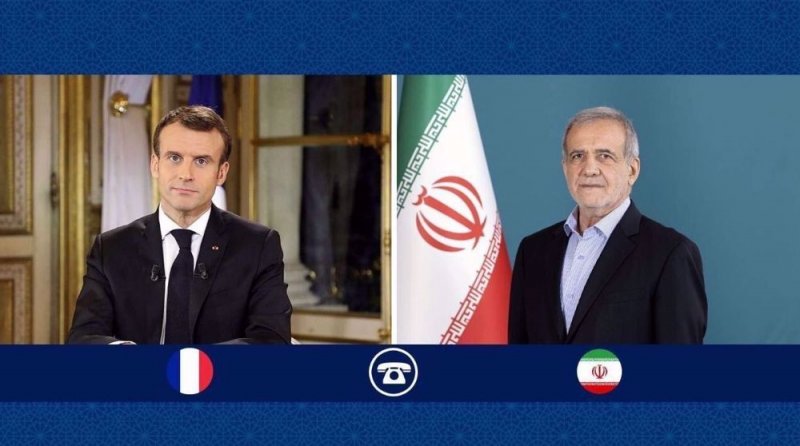
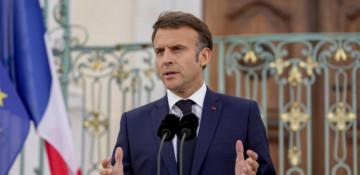
In a phone call with French President Emmanuel Macron on Monday, Pezeshkian stressed adherence to international rules, News.Az reports, citing Iran’s English-language Press TV.
“The Islamic Republic of Iran is ready to continue the talks solely within the framework of international laws and regulations and with the aim of protecting the rights of the Iranian people,” he said.
He added that Europe could play a constructive role by encouraging Washington to respect international legal frameworks.
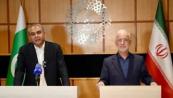
Pezeshkian discussed recent regional developments, the outcome of talks in Islamabad, and the ceasefire process with Macron, saying Iran’s negotiating team had demonstrated “seriousness and goodwill” during discussions in Pakistan.
“Despite the expert understandings reached between the parties, the excessiveness and lack of political will of senior US officials have prevented the agreement from being finalised,” he said, adding that US actions had derailed what he described as a potential peace agreement.
He said Iran had already set out its conditions for the ceasefire and would strictly adhere to them. He also rejected what he called “baseless claims” that Iran had failed to comply with commitments, stating that compliance had been insisted upon and acknowledged by Pakistani officials.
Pezeshkian reaffirmed Iran’s stated policy of promoting regional peace, stability and security through cooperation with neighbouring states.
“Approaches based on threats, pressure, and military action not only do not solve the problem, but also add to the complexity of the issues and will exacerbate the self-created problems of the American side,” he said.
He added that diplomacy remained Iran’s preferred option, provided national dignity and sovereignty were preserved.
Referring to recent comments by US President Donald Trump regarding the Strait of Hormuz, Pezeshkian warned of what he described as serious risks to global trade.
“The Islamic Republic of Iran has always sought to ensure sustainable security for the passage of ships in this strategic passageway, and any threat to the security of this region will have wide-ranging consequences for global trade,” he said.
He added that Iran remained prepared to respond to any scenario in defence of its national interests.
On the nuclear issue, Pezeshkian said Iran had previously reached agreements with European countries and that the relevant frameworks remained clear.
“Iran has never sought to act outside international regulations and is still ready to continue negotiations within the same framework,” he said, while rejecting what he described as double standards in international affairs.
He called for disputes to be resolved on the basis of justice and internationally recognised rules, urging Europe to play a more active and responsible role.
In response, Macron referred to his recent consultations with the US president and stressed the importance of including Lebanon within the framework of the initial ceasefire agreement. He also outlined his views on Iran’s nuclear programme and developments concerning the legal framework governing the Strait of Hormuz.