Israel–Gaza war: Key developments over the past 24 hours


Military operations, humanitarian concerns and diplomatic manoeuvring continued to unfold over the past 24 hours in the Israel–Gaza war, underlining how the conflict remains intense on the ground while increasingly complex at the political and regional level.
Israeli forces sustained air and ground operations across the Gaza Strip, while Palestinian armed groups continued rocket fire toward Israel, News.az reports.
RECOMMENDED STORIES
At the same time, international pressure mounted around humanitarian access, civilian protection and prospects for a pause in fighting.
Below is a detailed, news style overview of the latest developments, why they matter, and what could come next.
Why the past 24 hours mattered
The last day highlighted three central dynamics shaping the current phase of the war. First, Israel continues to apply sustained military pressure in Gaza, combining air strikes with ground activity aimed at degrading militant capabilities. Second, the humanitarian situation inside Gaza remains critical, with shortages of food, medical supplies and fuel dominating international concern. Third, diplomacy is intensifying, not necessarily toward a comprehensive ceasefire, but toward limited arrangements designed to reduce civilian suffering and prevent regional escalation.
These parallel tracks show a conflict that is militarily active, politically constrained and increasingly shaped by global scrutiny.
Israeli military operations in Gaza
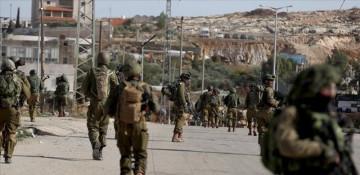
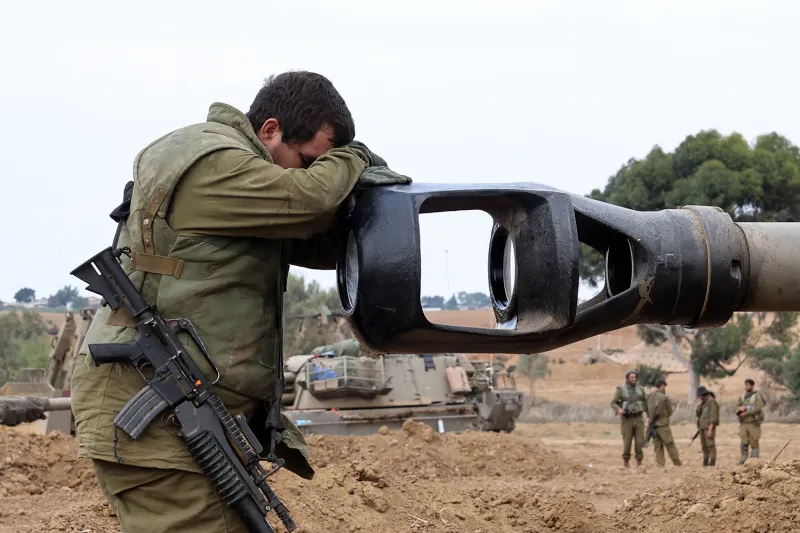
Over the past 24 hours, Israeli forces carried out a series of air strikes across multiple areas of the Gaza Strip, targeting what they described as militant infrastructure, weapons storage sites and command locations. Ground forces continued operations in selected zones, with the Israeli military stating that it was expanding and consolidating control in areas previously used for launching attacks.
Residents reported heavy explosions overnight, particularly in densely populated urban districts, as well as continued movement of armored vehicles and infantry. The Israeli side maintains that operations are designed to minimize civilian harm while achieving military objectives, though the scale of destruction has drawn widespread international concern.
Why Israel is sustaining high intensity operations
Israel’s stated objective remains the dismantling of militant groups in Gaza and the prevention of future attacks on its territory. From a military perspective, sustained pressure is intended to disrupt command structures, limit the ability to regroup and reduce rocket fire.
At the same time, Israeli leaders face domestic pressure to demonstrate resolve and security, particularly after the shock of earlier attacks. This political context makes a rapid scaling back of operations difficult, even as international calls for restraint grow louder.
Rocket fire from Gaza and Israeli defenses
Palestinian armed groups continued to launch rockets toward southern and central Israel over the past day, triggering air raid sirens in several locations. Israel’s air defense systems intercepted many of the incoming projectiles, while some landed in open areas.
Although the volume of rocket fire has fluctuated compared to earlier stages of the conflict, its persistence underscores the continued capability of militant groups despite weeks of Israeli operations.
Why rocket fire remains symbolically important
From a military standpoint, rockets cause limited damage compared to air strikes and ground combat. Symbolically, however, they serve as a demonstration of resistance and survival. Each launch reinforces the narrative that Palestinian groups remain active and defiant.
For Israel, intercepting rockets is critical not only for civilian safety but also for maintaining public confidence in national defenses.
Humanitarian situation in Gaza
The humanitarian crisis in Gaza continued to deepen over the past 24 hours. Hospitals reported severe strain as casualties arrived amid shortages of medical supplies, electricity and fuel. Aid agencies warned that the healthcare system is operating beyond capacity, with limited ability to respond to mass casualty events.
Food insecurity remains widespread, with many families dependent on intermittent aid deliveries. Access to clean water continues to be a major concern, particularly in areas where infrastructure has been damaged.
Why humanitarian access is a central issue
Humanitarian access has become one of the most contentious aspects of the conflict. Aid organizations argue that without sustained and predictable entry of supplies, preventable deaths will rise sharply.
For Israel, managing humanitarian access involves balancing security concerns with international pressure. For neighboring countries and mediators, facilitating aid has become a key focus of diplomatic engagement.
International diplomatic activity intensifies
Diplomatic efforts over the past 24 hours focused on preventing further escalation and addressing humanitarian needs. Regional and global actors continued discussions aimed at securing temporary pauses in fighting, expanding aid corridors and addressing the issue of detainees and hostages.
While no comprehensive agreement has been announced, the volume of diplomatic contacts reflects growing concern that the conflict could destabilize the wider region if left unchecked.
Why diplomacy is focused on limited steps
At this stage, expectations for a full ceasefire remain low. The gap between Israeli security objectives and Palestinian demands is wide, and mutual distrust remains deep.
As a result, diplomacy has concentrated on incremental measures. These include humanitarian pauses, confidence building steps and mechanisms to reduce civilian harm. Such measures are seen as more achievable in the short term and as ways to buy time for broader political discussions.
Regional tensions and spillover risks
Beyond Gaza, the past 24 hours saw continued concern about potential spillover into neighboring areas. Incidents along Israel’s northern border and heightened alert levels in the region reflect fears that the conflict could expand.
So far, escalation has remained contained, but the risk persists. Regional actors are closely watching developments in Gaza, aware that miscalculation could draw additional fronts into the conflict.
Why regional containment matters
The Israel–Gaza war does not exist in isolation. Escalation could disrupt shipping routes, energy markets and regional stability. For global powers, preventing the conflict from spreading is a priority.
This concern helps explain the intensity of diplomatic engagement, even when progress appears limited.
Impact on Israeli society
Inside Israel, the war continues to shape daily life. Communities near Gaza remain under threat, with disruptions to education, work and routine activities. Families of hostages and detainees have intensified calls for their release, adding emotional pressure to political decision making.
Public debate reflects a tension between the desire for security and growing awareness of the humanitarian and diplomatic costs of prolonged fighting.
Impact on Palestinian civilians
For Palestinians in Gaza, the impact is overwhelmingly humanitarian. Displacement has forced many families into overcrowded shelters, while repeated movements in search of safety have deepened trauma.
Civilian suffering remains at the center of international concern, with images and reports from Gaza shaping global public opinion and political discourse.
Media scrutiny and global opinion
The past 24 hours saw continued intense media coverage, with competing narratives shaping perceptions of the conflict. Israeli officials emphasize self defense and security, while Palestinian voices and humanitarian groups focus on civilian suffering and proportionality.
Global public opinion remains deeply divided, influencing how governments position themselves diplomatically.
Why information and narratives matter
In modern conflicts, information is a battlefield. Images, statements and framing can shape international responses, affect diplomatic leverage and influence domestic support.
Both sides invest significant effort in presenting their narratives, aware that global perception can translate into political pressure or support.
Prospects for a pause or de-escalation
Discussion of a temporary pause in fighting continued over the past day, largely tied to humanitarian considerations. Such pauses are seen as a way to allow aid delivery and reduce immediate suffering without resolving the underlying conflict.
Whether these efforts succeed will depend on security guarantees, verification mechanisms and political will on all sides.
Why pauses are fragile
Temporary pauses are inherently fragile. Any perceived violation can collapse trust and lead to renewed fighting. Still, even short breaks can have significant humanitarian impact.
This makes them a central, if limited, tool in current diplomacy.
Longer term implications
While the past 24 hours did not fundamentally alter the trajectory of the war, they reinforced trends likely to shape its future. Prolonged military operations risk deepening humanitarian catastrophe and international isolation. At the same time, unresolved security concerns make a swift end to fighting unlikely.
The conflict’s duration and intensity will continue to test regional stability and global diplomatic capacity.
What to watch next
In the coming days, attention will focus on whether Israeli operations expand or shift in character, and whether rocket fire from Gaza increases or declines. Observers will also watch for concrete steps on humanitarian access, including sustained aid deliveries.
Diplomatically, any announcement of a pause, exchange or new mediation framework would be significant. Finally, developments along Israel’s borders will remain a key indicator of whether the conflict is contained or risks wider escalation.
Conclusion
Over the past 24 hours, the Israel–Gaza war has continued along a familiar but dangerous pattern: intense military action, deepening humanitarian crisis and cautious, incremental diplomacy. While no breakthrough has emerged, the day’s developments highlight the growing urgency of managing both the immediate human cost and the broader regional risks.
The conflict remains fluid, shaped by military calculations, political pressures and international engagement. As fighting continues, the balance between force, diplomacy and humanitarian need will remain at the center of attention.
By Faig Mahmudov


Similar news