Key developments in the Russia-Ukraine conflict: October 10-12, 2024


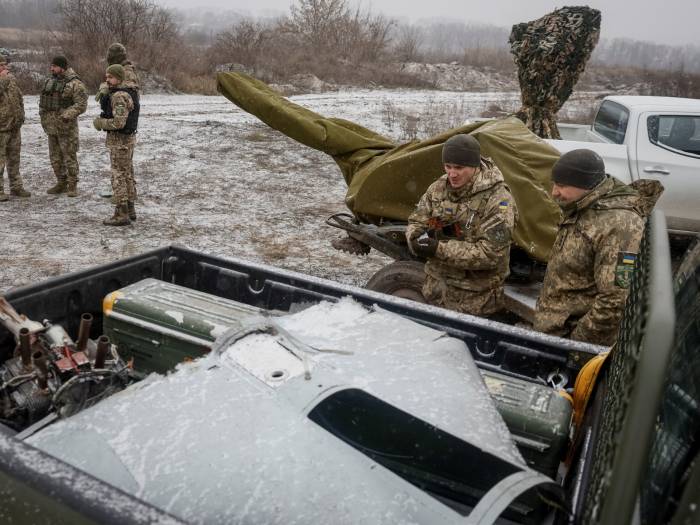
The Russia-Ukraine conflict has seen intense developments over the past few days, with significant military operations, drone warfare, and diplomatic maneuvers shaping the dynamics on the ground and internationally.
Between October 10 and 12, 2024, Russian offensives, Ukrainian counterstrikes, and escalations in aerial warfare dominated headlines, further complicating the geopolitical situation and deepening the humanitarian crisis. These events reflect the increasing volatility as both sides brace for harsher winter conditions.Russian advances and territorial gains
On October 11, Russian forces made critical progress in eastern Ukraine, particularly in the Donetsk region. They successfully captured the village of Ostrivske near Kurakhove, intensifying their assault on key strategic points. Additionally, the town of Toretsk saw fierce battles, with Russian troops reportedly seizing control of 50-60% of the area, creating pressure on Ukrainian defenses and threatening further advances toward nearby cities.
Ukrainian counteroffensive strikes Russian military assets
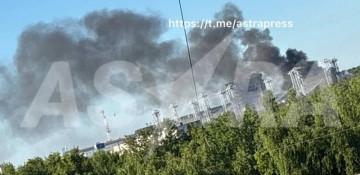
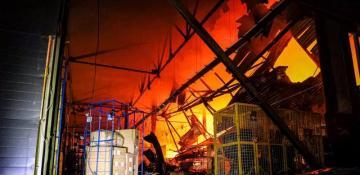
Responding to Russian gains, Ukraine conducted several high-profile counteroffensives . On October 12, Ukrainian forces launched precision strikes on Russia’s Khanskaya military airfield in the Adygea Republic, resulting in extensive damage to aircraft and military infrastructure. Additional strikes targeted Shahed drone storage facilities near Yeysk and a key fuel depot in Luhansk, aiming to disrupt Russian logistics and weaken its military capability in the region.
Aerial warfare intensifies
The conflict saw a significant escalation in drone warfare and missile attacks. On the night of October 11-12, Russia intercepted 47 Ukrainian drones, underscoring the heightened use of aerial assets by both sides. On the Ukrainian side, 24 out of 28 Russian drones were successfully shot down during a series of overnight attacks, demonstrating Kyiv's ongoing efforts to protect critical infrastructure from aerial bombardment.
Civilian casualties mount
Russian airstrikes on Ukrainian cities continued unabated, with devastating consequences for civilians. On the night of October 10, Odesa was hit by missile strikes that killed four civilians and injured ten more. In Zaporizhzhia, guided bombs injured six people, further highlighting the growing humanitarian toll of the conflict as urban areas remain under constant threat from military operations.
Diplomatic push: Zelenskyy’s European tour
In a parallel diplomatic effort, Ukrainian President Volodymyr Zelenskyy embarked on a tour of major European capitals from October 11 to 12. During his meetings in London, Paris, Rome, and Berlin, Zelenskyy sought to rally support for Ukraine’s "victory plan" and secure military and financial assistance for the upcoming winter. Chancellor Olaf Scholz of Germany announced a €1.5 billion aid package, including the delivery of the IRIS-T air defense system, bolstering Ukraine's ability to counter Russian aerial threats.
Food security threatened by conflict escalation
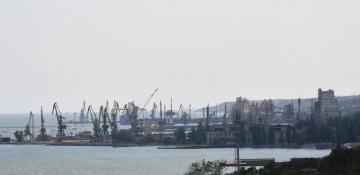
On October 12, Russia targeted a civilian cargo vessel carrying humanitarian aid in Odesa, raising alarms over the broader implications of the conflict on global food security. The ship, en route to Palestine, was carrying essential supplies, underscoring the need for uninterrupted humanitarian corridors amid the ongoing conflict.
Outlook: Winter brings new challenges
As winter approaches, both Russia and Ukraine are intensifying their military campaigns, seeking to consolidate gains and prepare for future offensives. Russia is expected to target Ukrainian energy infrastructure in a bid to exacerbate civilian hardship, while Ukraine continues to rally international support to sustain its operations and protect vital infrastructure.
The evolving conflict remains a focal point of global concern, with military escalations, drone warfare, and diplomatic efforts shaping the situation on the ground. As reported by News.Az, the international community will need to maintain close attention to prevent further escalation and address the mounting humanitarian crisis.


Similar news