Norway raises rates for first time since 2023


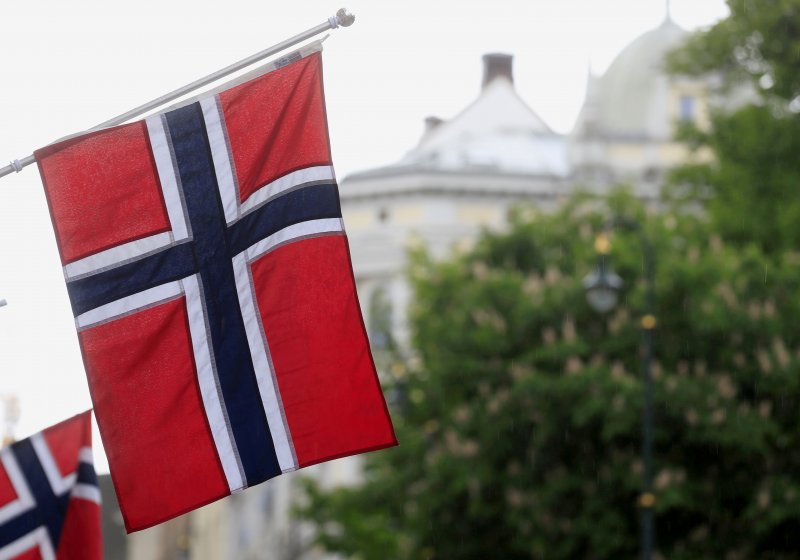
Norges Bank has delivered Western Europe’s first interest rate hike since the outbreak of the Iran war, opting for immediate action to address persistently high inflation.
On Thursday, the Norwegian central bank raised its key deposit rate by 0.25 percentage points to 4.25%, News.Az reports, citing Bloomberg.
The move marks its first tightening step since 2023 and was anticipated by only five of 17 economists surveyed by Bloomberg, while the majority expected no change.
Officials did not provide clear guidance on future policy moves, stating that the decision was consistent with the outlook previously shared with investors at the March meeting. That earlier guidance had suggested the possibility of the policy rate rising to between 4.25% and 4.5% by the end of the year.
RECOMMENDED STORIES
“Inflation is too high, and there are prospects that inflation will remain elevated ahead,” the policymakers, led by Governor Ida Wolden Bache, said in a statement. “The committee judges that a higher policy rate is needed to return inflation to target within a reasonable time horizon.”
The decision places Norges Bank alongside the Reserve Bank of Australia at the more hawkish end of advanced-economy central banks. Meanwhile, counterparts in the euro zone and the United Kingdom are expected to wait until June before making any policy changes, while Sweden’s Riksbank has recently signaled no imminent adjustment.
Following the announcement, the Norwegian krone extended earlier gains against the euro, rising as much as 0.6% to 10.8632.
While many European policymakers are focused on energy price risks linked to the Middle East crisis, Norwegian authorities are also dealing with persistent domestic inflation pressures. Core inflation above 3% has been driven by the lowest unemployment and relatively sticky wage growth across Scandinavia.
Investors had already increased expectations for a May rate hike, but the decision signals stronger resolve from Norges Bank to restore credibility after repeatedly missing its 2% inflation target since early 2021.
Economists are now debating whether further tightening could follow. SB1 Markets AS analysts Dane Cekov and Harald Magnus Andreassen, who had forecast the hike, suggested another increase could come later in the year.
“Another rate hike could come in September, given that energy prices and inflation remain on the high side, and labor market developments remain stable,” they said. “A further rate hike this year is clearly more likely than a rate cut.”
Josie Anderson, an economist at Nomura Plc in London, said future moves would depend heavily on incoming inflation data.
“The committee has clearly lost patience with sticky inflation,” she said. “However, it is uncertain about where inflation will go from here, even without the global energy shock.”
A summary of Norges Bank’s deliberations indicated there was broad agreement on the decision, with officials “collectively judged” to act at this meeting.
Earlier on Thursday, Sweden’s Riksbank kept its key rate unchanged at 1.75%, maintaining a wait-and-see stance that places it closer to the dovish side among European central banks.
“Recent inflation outcomes have been clearly lower than the Riksbank’s forecast both including and excluding energy prices,” the Swedish central bank said. “This together with weak economic activity at the outset means that there is scope to wait until there is a clearer picture of the effects of the war and the supply shocks it entails.”
Handelsbanken analyst Magnus Lindskog described Sweden’s decision as a “mild dovish tilt.”
Elsewhere, the Reserve Bank of Australia raised its policy rate for a third consecutive meeting on Tuesday, reinforcing its position among the more aggressive central banks in advanced economies.
By Nijat Babayev


Similar news