Nuclear nightmares and colonial crimes: France's unforgiven historical sins – ANALYSIS


Editor's note: Kerim Sultanov is a special commentator on historical and political issues for News.Az.
Today, France is actively working to support the aspirations of Armenians for the opportunity to occupy Azerbaijani Karabakh. Throughout the 30-year occupation of Karabakh, France did not exert significant pressure on Armenia to encourage it to liberate Karabakh, or at least to allow approximately one million Azerbaijani refugees to return to their native lands.
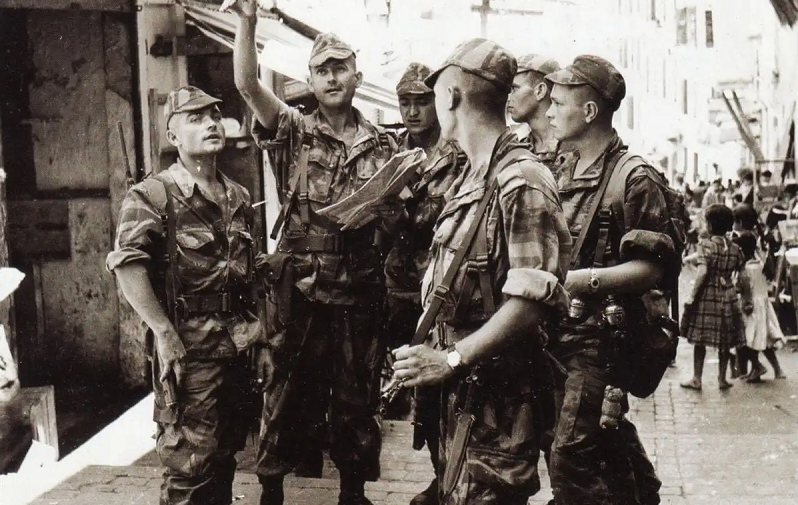
This stance is not entirely surprising, given France's own historical actions. Throughout the 19th and first half of the 20th centuries, France systematically carried out policies of genocide and ethnic cleansing against the indigenous peoples of the countries it occupied.
France is a country known for its highly developed culture, fascinating history, and rich literature, which have all made significant contributions to various spheres of global life. It seems paradoxical that the same country associated with figures like Louis XIV, the French Revolution, Napoleon, Alexandre Dumas, Victor Hugo, Jules Verne, Albert Camus, and landmarks like the Eiffel Tower also has a history of genocide and the mass expulsion of entire peoples from their homes.
You might think this is an exaggeration? However, for France, such actions have historically been part of its foreign policy. Today, France positions itself as a defender of Armenians, who were allegedly expelled from their native lands by Azerbaijan and Turkey. Historically, France exterminated the peoples of Morocco, Tunisia, Algeria, Djibouti, and many others without any strategic necessity.
A notable example of this is Algeria. On November 26, 1830, the French carried out a devastating massacre against the civilian population in the Algerian city of Blida. In just a few hours, the city was reduced to a cemetery; not a single survivor remained.
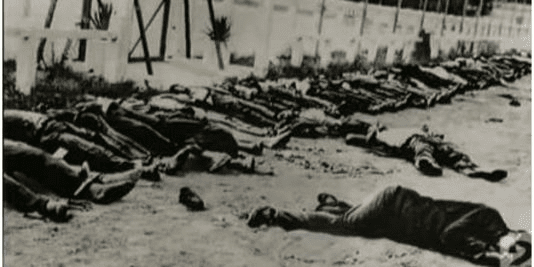
Major Montagnac, who led French units in the Skikda area in 1843, documented that he counted "one thousand three hundred women and children killed." He believed it necessary to "exterminate all those who refuse to crawl at our feet like dogs."
In 1844, General Cavaignac annihilated the entire Beni Sabih tribe and made no secret of it. People were driven into a cave and fires were lit at the entrance, causing them to suffocate. Those who escaped were captured and destroyed a year later in the same manner. The Awlad Riyah tribe also met a similar fate after rebelling against French cruelty under General Pelissier, with more than a thousand civilians dying from suffocation in the Farashish cave.
"Since 1954, we, the French, have become accomplices of genocide," wrote Simone de Beauvoir. "Under the pretext of establishing peace, we killed more than a million Algerians during armed raids, burned entire villages along with their inhabitants, slaughtered people, removed unborn children from their mothers' wombs, and tortured them to death. Entire tribes suffered from cold and hunger, died from epidemics in concentration camps. About half a million Algerians died in these camps."
On May 8, 1945, news of the Third Reich's surrender reached France. In celebration, French authorities organized a parade in the Algerian city of Setif. During the parade, a clash broke out over Algerian independence. A police officer fatally shot 26-year-old Bouzid Saâl, who refused to relinquish the Algerian flag. This incident sparked protests that lasted until May 17. The ensuing conflict resulted in the deaths of several thousand Algerians, with estimates ranging from 6,000 to 30,000 Muslims. The French authorities eventually suppressed the rebellion, but the events helped fuel the Algerian War of Independence, which concluded in the summer of 1962.
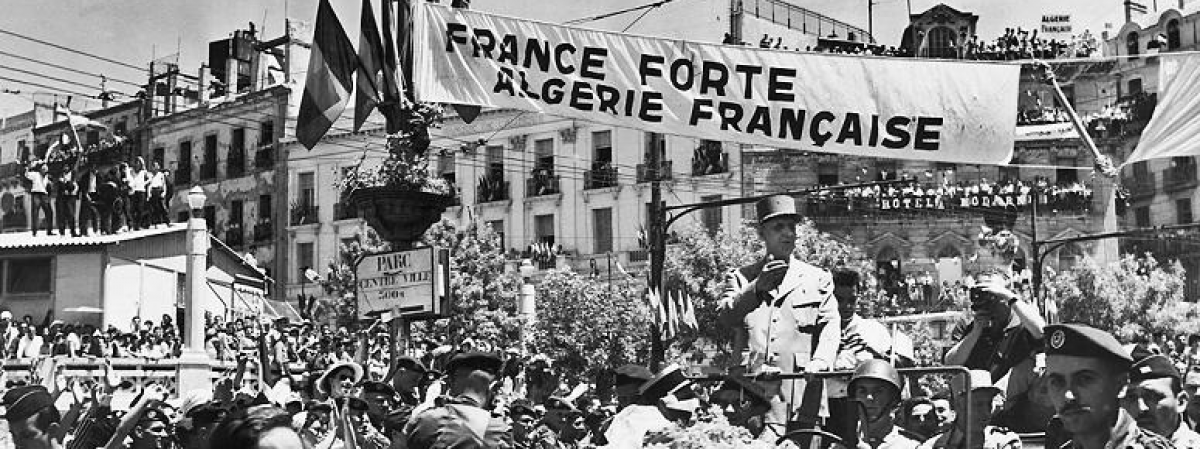
The October 1961 massacre of ethnic Algerians in Paris is far less publicized. Around 30,000 immigrants took to the streets in a peaceful protest against a curfew. On October 17, approximately 14,000 were arrested, and about a thousand were killed and thrown into the Seine River. For a long time afterward, Parisians found bodies in the river, many showing signs of blunt force trauma or gunshot wounds. Graffiti on the embankment of the Seine that day read: “Here we drown Algerians.”
In French-occupied territories such as Djibouti, Niger, and Chad, the French prohibited Islamic education, destroyed mosques and madrassas, and arrested Muslim scholars. Tens of thousands of Muslims who resisted were killed. In 1917, France orchestrated what became known as the “genocide of scholars” in Chad, where 400 Muslim scholars were executed under the guise of a conference intended to reorganize religious life.
In Morocco, approximately 3,000 people died within two days during a French assault in August 1907. The Mỹ Trạch massacre in Vietnam on November 29, 1947, saw the French kill hundreds of Vietnamese civilians, including 170 women and 157 children, and burn around 400 houses.
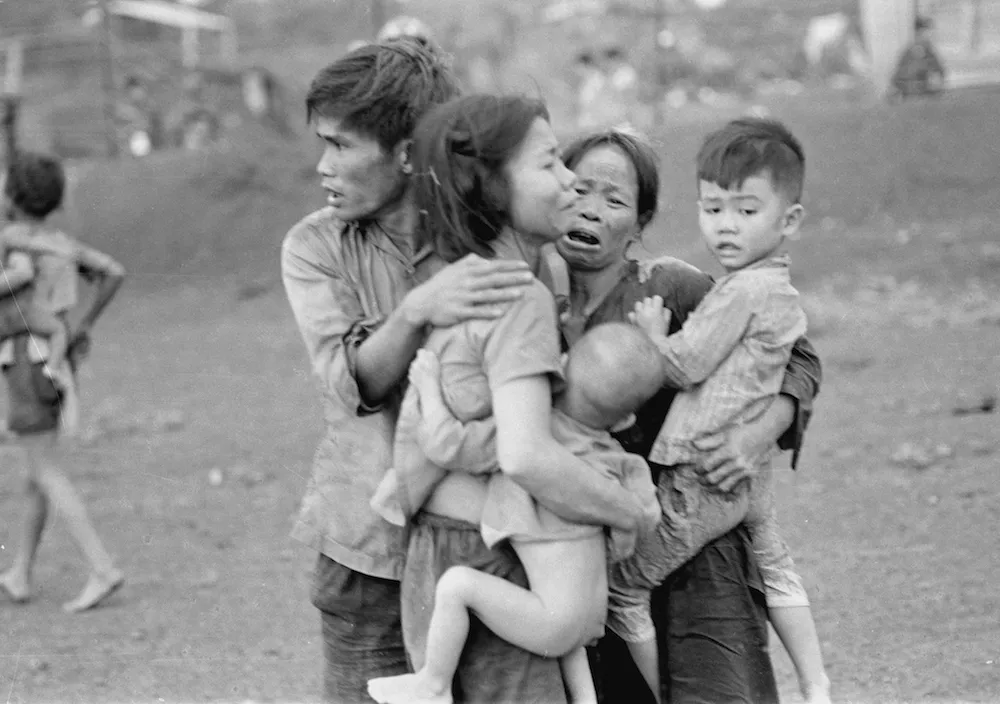
The French colonial legacy is similarly remembered in Tunisia. Despite Tunisia achieving independence in 1956, France disregarded its sovereignty; in 1961, around 5,000 civilians were killed in response to a request to close a French military base.
The 1994 genocide in Rwanda, which resulted in over 800,000 deaths, primarily of the Tutsi tribe, had direct ties to French military units and leadership. Rwandan experts concluded that France, aware of the impending genocide, provided support and weapons to the regime responsible.
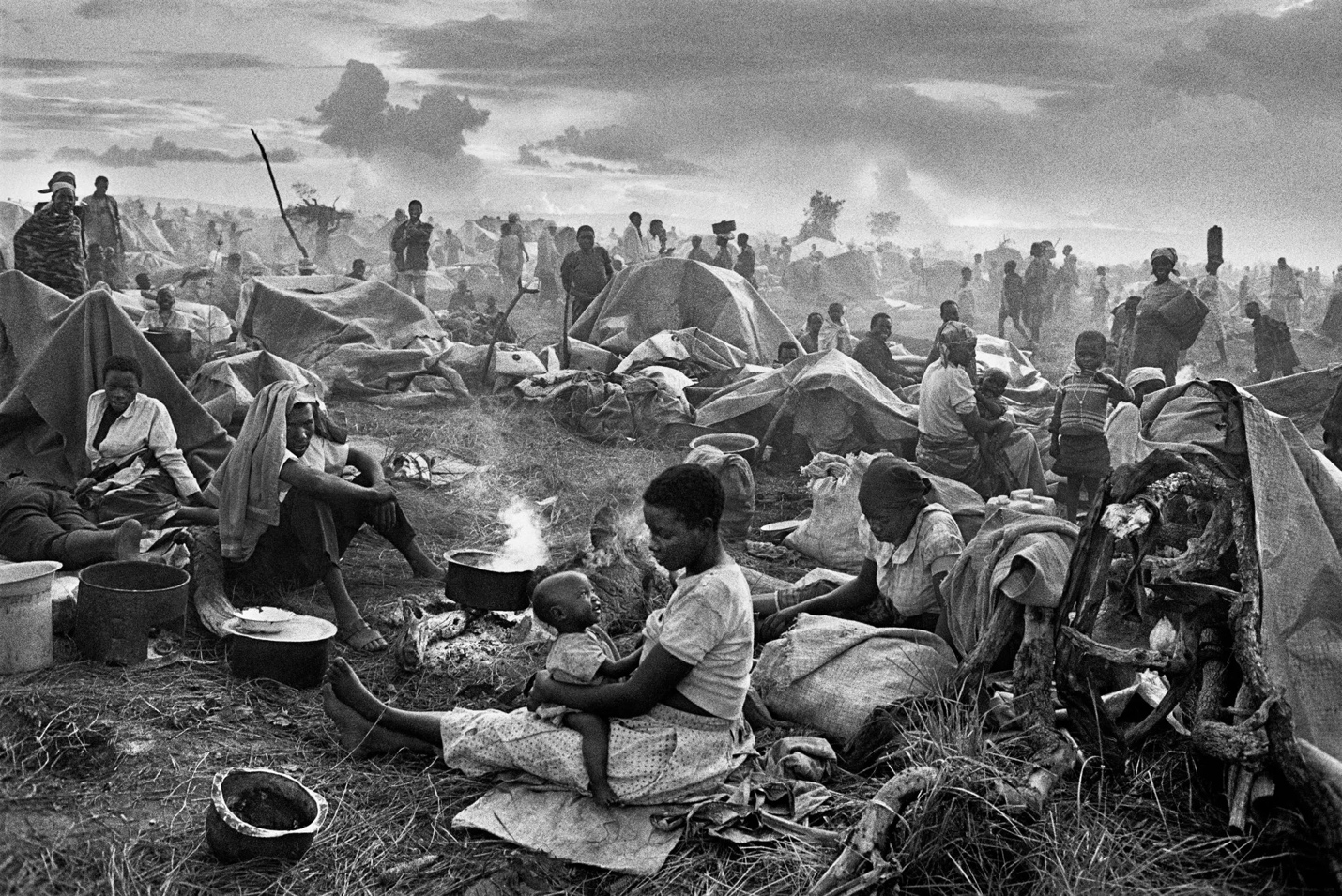
France conducted its first nuclear test in the Algerian desert region of Reggane in February 1960. The 70-kiloton bomb tested there was 3-4 times more powerful than the bomb dropped on Hiroshima. France carried out at least 17 nuclear tests in Algeria from 1960 to 1966. Today, Algeria demands the removal of radioactive waste, compensation for the victims and those affected by radiation, and the provision of maps and cleanup of disposal sites. France, however, continues to deny these allegations and refuses to acknowledge the radioactive contamination in these regions.
Additionally, France has buried over 5 million mines in Algerian territory and refuses to provide maps of these minefields. Algeria remains one of the most mine-contaminated countries in the world, alongside Azerbaijan. France has also used chemical weapons, prohibited by the Geneva Convention, against the inhabitants of its colonies.
The extensive list of French crimes against humanity continues to grow. Yet, hoping that France will alter its stance and cease its support and incitement of Armenians to undertake new conquests, maintaining illusions of potential aggression against Azerbaijan, is as unlikely as expecting a notorious cannibal to suddenly renounce human flesh and turn vegetarian.


Similar news