Sheveluch eruption sends ash 11 km, aviation red alert


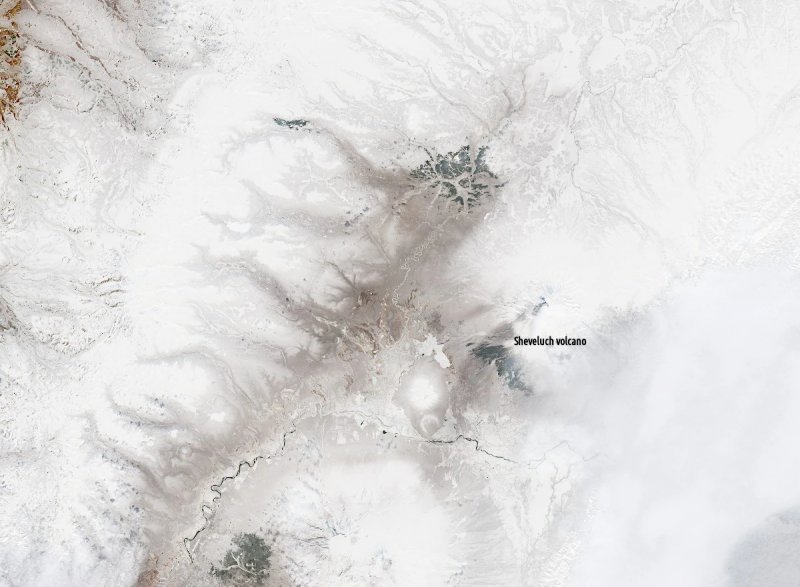
An explosive eruption at Sheveluch volcano in Russia’s Kamchatka Peninsula sent a powerful ash plume up to 11 km (36,000 feet) into the atmosphere on March 29, 2026, triggering a Red aviation alert for the region.
According to observations from the Kamchatka Volcanic Eruption Response Team (KVERT) and satellite data, the eruption lasted about 30 minutes and produced a dense ash column that rose rapidly above the summit. The Tokyo Volcanic Ash Advisory Centre confirmed the plume height, News.Az reports, citing The Watchers.
KVERT raised the Aviation Color Code to Red at 02:52 UTC, indicating an immediate and significant threat to aircraft. The ash cloud drifted eastward from the volcano, extending roughly 10 km (6 miles) from the summit.
RECOMMENDED STORIES
Authorities warned that ash at this altitude poses serious risks to both international flight routes and low-flying aircraft across the North Pacific air corridor.
The eruption occurred during an ongoing explosive–extrusive phase at Sheveluch, which includes continued lava dome growth in the northern sector of the Young Sheveluch dome and persistent gas and steam emissions.
Later satellite analysis showed no new explosive bursts during the day. By 11:29 UTC, KVERT downgraded the alert level to Orange, after confirming no further ash-producing explosions. However, a residual ash cloud at around 4.5 km (14,800 feet) was still detected moving approximately 390 km (242 miles) northeast.
Despite the temporary downgrade, scientists stressed that the volcano remains highly active. Intermittent explosive activity is still possible, with ash emissions potentially reaching up to 12 km (39,400 feet) without warning.
Recent weeks have shown sustained eruptive behavior, including repeated ash emissions and ongoing lava dome extrusion, keeping aviation authorities on alert across the region.
By Aysel Mammadzada


Similar news