The Great Return: Inside Azerbaijan’s ambitious plan


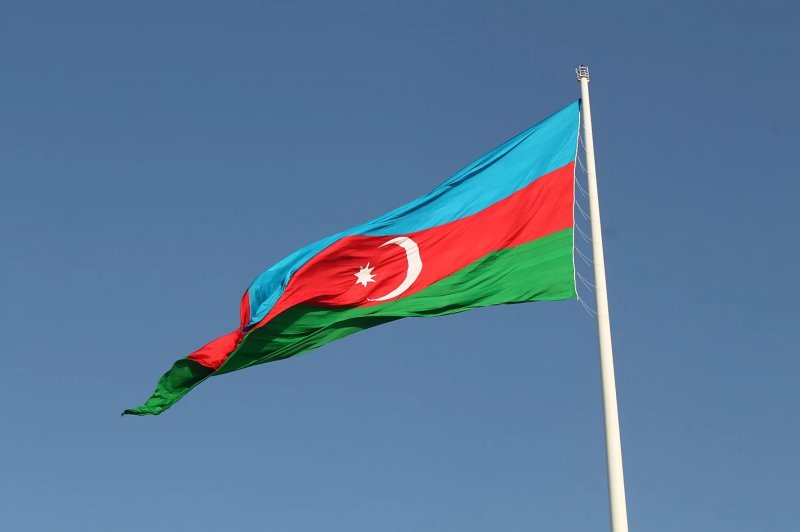
For Azerbaijan, the Great Return is more than a government initiative, it is the fulfillment of a national dream, the restoration of communities long separated from their homeland, and the rebirth of modern, sustainable life across territories liberated after decades of occupation.
Over the past five years, inspired by historic state policy and guided by careful planning, these lands have been transformed from ruins into thriving centers of social, economic, and cultural life.
The Great Return is firmly embedded in Azerbaijan’s strategic development framework. It is recognised as one of the National Priorities of Azerbaijan 2030 and is being implemented through the First State Program on the Great Return to the Territories of the Republic of Azerbaijan Liberated from Occupation (2022–2026). Approved by presidential decree, the program reflects a comprehensive approach to economic, social, and infrastructural revitalisation.
Unlike short-term resettlement campaigns, this model emphasises integrated infrastructure, security, and social services. Homes are constructed not in isolation but alongside schools, hospitals, roads, power and water networks, and economic opportunities such as farms and factories.
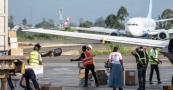
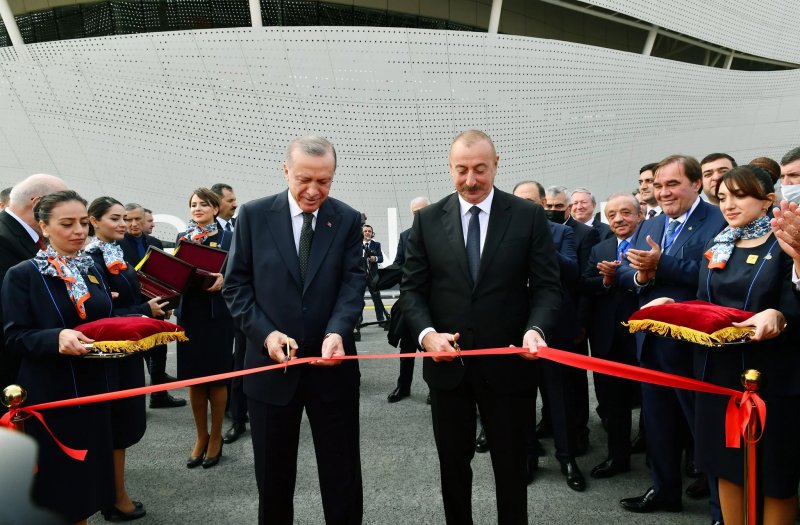
Strategic transport infrastructure has been a hallmark of the Great Return, with three new international airports built in the liberated territories:
- Fuzuli International Airport, inaugurated on 26 October 2021, was the first international airport in Karabakh. Built on an abandoned airfield, it now serves commercial flights.
- Zangilan International Airport, opened on 20 October 2022, acts as a key connection point for southern Karabakh and the East Zangazur region.
- Lachin International Airport, inaugurated on 28 May 2025 near Gorchu village at high altitude, improves connectivity to Lachin, Shusha, and Kalbajar, serving both passenger and cargo transport.
These airports are more than transport hubs; they are symbols of sovereign development, linking the freed territories to international travel networks and fostering tourism, business, and investment.
Transport development extends beyond air travel. Azerbaijan has undertaken massive road reconstruction projects, spanning local connections to inter-regional highways. The Horadiz–Jabrayil–Zangilan–Aghband highway and the Ahmadbeyli–Fuzuli–Shusha route have been completed or are in progress, improving mobility for residents and goods.
Rail transport is also being revitalised. Foundations have been laid for the Khankendi railway station complex, significant design work is underway on the Aghdam–Khankendi and Horadiz–Agband railway lines, and dozens of bridges along railway routes have been completed, ensuring long-term connectivity across the region.
Safety is paramount for a sustainable return. The liberated territories were heavily contaminated with landmines and unexploded ordnance. Azerbaijan has carried out large-scale demining operations over recent years to clear thousands of hectares, creating safe spaces for housing, agriculture, and infrastructure — essential for families, especially children, to live and work without fear.
One of the most emotional milestones occurred in January 2026, when the first group of former internally displaced persons returned to Khankendi. On 21 January, 36 families (162 people) received keys to their new homes, marking a historic resettlement in a city deeply connected to family heritage and identity. The event featured the national anthem and tributes to those who gave their lives for the nation. State officials emphasised that this return was not only emotional but part of a carefully planned, phased process designed to ensure safety, comfort, and long-term prosperity.
Beyond Khankendi, thousands have returned to cities and villages including Aghali (Zangilan), Fuzuli, and Lachin. In the first year of the Great Return, over 2,700 former displaced persons settled across multiple locations, illustrating the momentum of the project.
Returning families need more than houses—they need vibrant communities. In response, schools, clinics, universities, and cultural centers have been constructed or reopened across the liberated territories. At least 19 general education institutions, medical facilities including a dedicated hospital, and new early childhood education centers have started operations, laying the foundation for normal community life.
Regional urban planning has also advanced significantly. Detailed master plans are now approved or underway for major cities including Khankendi, Khojaly, and Aghdam, demonstrating a forward-looking vision for orderly, sustainable growth.
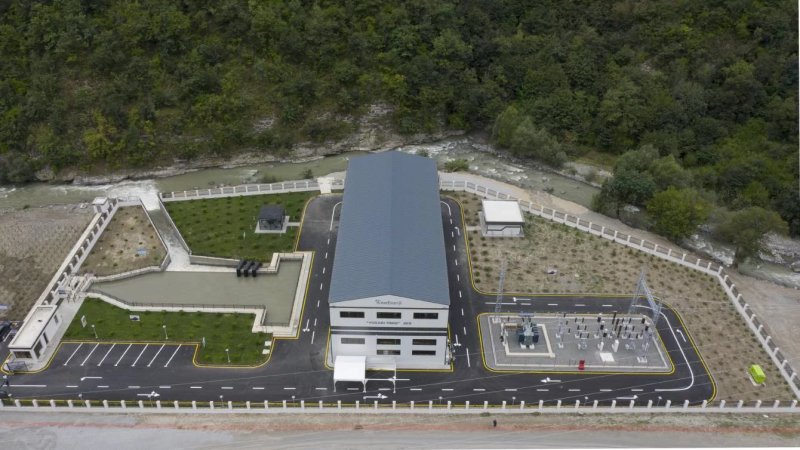
The revival of the liberated territories goes hand in hand with economic modernisation. In 2024, Karabakh and East Zangazur were officially declared a “Green Energy Zone”, accelerating investment in renewable energy projects such as solar, wind, and small hydropower plants. Hydroelectric stations like Yukhari Vang (22.5 MW) and others in Zangilan and Lachin contribute to regional energy supply while supporting ecological sustainability.
Industrial parks and economic zones, including the Aghdam Industrial Park and facilities in Jabrayil, are generating jobs, enhancing local manufacturing, and reducing dependence on external imports. These developments boost agricultural productivity, food processing, and production capacity across multiple sectors.
Beyond infrastructure and economics, the Great Return embraces cultural revitalisation. Traditional heritage, music, cuisine, crafts, and community festivals are being reintegrated into daily life. Families gather for meals, children play where ancestors once lived, and schools teach younger generations about their heritage. This social revival is as central to the project as any airport or highway.
Today, the liberated territories are no longer barren landscapes. They are reawakening as modern cities and towns with thriving communities, economic opportunities, and connected infrastructure. The Great Return stands as a testament to what structured planning, long-term vision, and human resilience can achieve.
This process underscores a universal truth: rebuilding land without rebuilding life leaves the story incomplete. Azerbaijan’s Great Return demonstrates that when people return not just to houses but to workplaces, schools, and vibrant neighborhoods, a nation heals and grows stronger for the future.
The material was prepared with the financial support of the Media Development Agency of the Republic of Azerbaijan.
By Aysel Mammadzada


Similar news