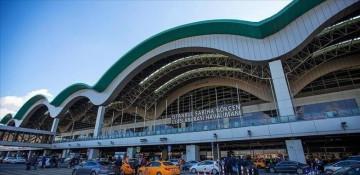
Staff shortages drive Germany airport travel chaos


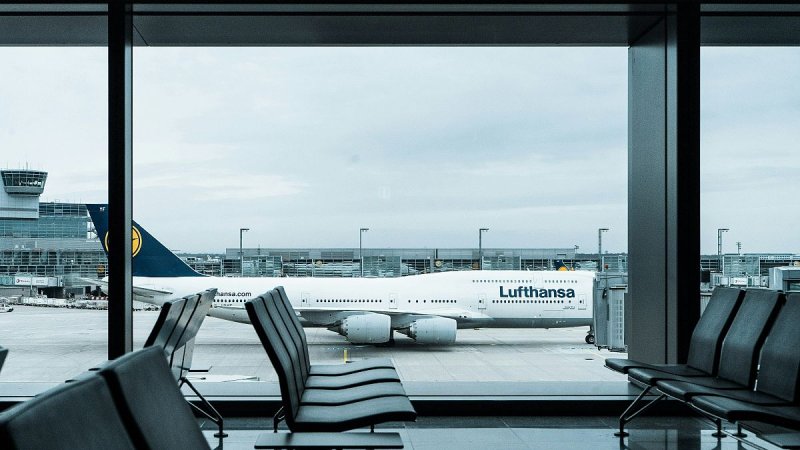
Flight disruptions linked to staffing shortages and overbooked flights are continuing to affect major German airports, creating ripple effects across Europe’s travel network and raising concerns about aviation capacity as passenger demand rises.
Airports such as Frankfurt and Munich have reported repeated delays and cancellations, disrupting travel plans for thousands of passengers. Travelers are facing long waiting times, unclear communication, and difficulties rebooking flights, exposing deeper operational challenges within airport systems, News.Az reports, citing foreign media.
Germany’s position as a key transit hub in Europe means local disruptions quickly spread across the continent. As a major connector between Western, Central, and Eastern Europe, delays at German airports can affect passenger transfers and cargo logistics, creating knock-on effects for supply chains and business travel schedules.
RECOMMENDED STORIES
Industry experts say structural issues are driving the disruptions. The rapid post-pandemic rebound in travel demand has outpaced infrastructure expansion and workforce recruitment. Government data shows many airports are operating near maximum capacity, particularly during peak travel seasons.
Critical areas such as security screening and baggage handling remain under pressure due to persistent staff shortages. Authorities say airports continue to face challenges recruiting and retaining trained ground personnel, leading to operational bottlenecks.
Airlines are also struggling with tight schedules and limited backup capacity. Even small disruptions caused by weather or staffing gaps can delay crew rotations and aircraft maintenance timelines. With flights often fully booked, finding alternative routes for passengers has become increasingly difficult.
Passengers report growing frustration, citing long waits, inconsistent updates, and limited on-site support. Many travelers are forced to deal with additional costs linked to missed hotel bookings, transport changes, and last-minute rebooking fees.
The impact extends beyond individual travelers. Reliable air connectivity is critical for tourism, trade, and business operations across Europe. Travel industry analysts warn that repeated disruptions could push some travelers toward rail or regional transport alternatives, potentially affecting tourism-dependent cities and international business activity.
Germany is not alone in facing these challenges. Major European airports including Paris Charles de Gaulle and Amsterdam Schiphol are also dealing with capacity limits and workforce shortages. Aviation specialists are calling for increased investment in automation, digital coordination, and workforce development to improve long-term system resilience.
By Aysel Mammadzada


Similar news