Steve Vavrus: COP29 will need to reckon with "shocking" global warming


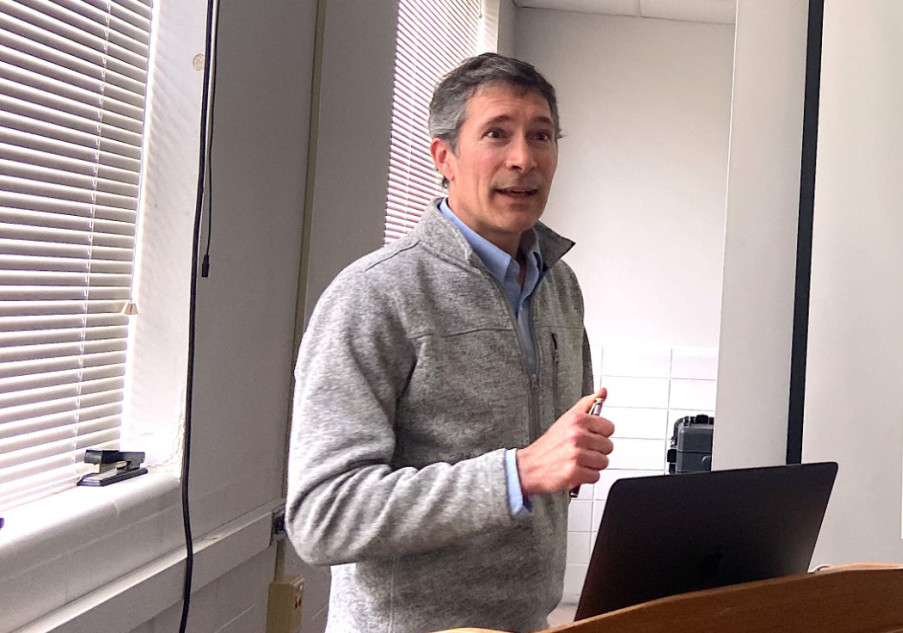
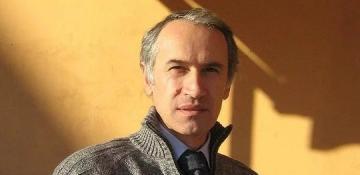
The analytical-information portal News.Az continues its series of articles, interviews and videos entitled "COP29 Baku". As part of this series, we will be posting interviews with and videos of prominent climate and environmental experts. Our guest today is Steve Vavrus, Assistant Director, Center for Climatic Research, Nelson Institute for Environmental Studies, senior scientist, state climatologist, expert on global climate change, Arctic climate, Wisconsin climate, extreme weather.
- What key goals and expectations do you see for COP29, which will be held in Baku in 2024?- I'm not sure it's a realistic goal, but attendees need to come to terms with the current unprecedented and shocking warmth across the planet. This is the first COP conference which has needed to reckon with the fact that Earth has just reached a year-long streak of record heat: every month between June 2023 and May 2024 has set a new monthly temperature record for the planet.
- What role can conferences like COP29 play in enhancing international cooperation and taking effective measures to combat climate change?
- Besides any multinational agreements that are reached to reduce carbon emissions, the most important outcome of the COP conferences over the years is maintaining dialog among countries to keep the issue of climate change at the forefront and secure even imperfect commitments to mitigate the climate crisis.
- What are the main factors, in your opinion, that contribute to the acceleration of global climate change in recent decades?
- The primary factor continues to be heat-trapping pollution from carbon emissions, primary CO2, due to human activities. Secondarily, we are probably experiencing some additional warming caused by the reduction of industrial aerosol pollution during recent decades. That type of pollution is harmful to breathe, so its reduction is a good thing, but an unfortunate byproduct of the resulting cleaner air is that more solar energy is reaching Earth and thus increasing the temperature.
- How does climate change in the Arctic affect weather conditions in other parts of the world?
- Arctic climate change has two primary effects on global weather. First, amplified heating of the Arctic, which is warming two to four times faster than Earth as a whole, is increasingly contributing to the rise in global temperature as the region becomes darker with the loss of bright, reflective snow and ice cover. Second, by reducing the equator-to-pole temperature difference, Arctic climate change alters the atmospheric circulation elsewhere in the world. Evidence suggests that the amplified warming of the Arctic is causing a weaker and meandering jet stream in many places. This kind of circulation change favors more persistent extreme weather conditions.
- How do you assess the link between climate change and the increase in the frequency of extreme weather events, and which types of extreme events have become more frequent in recent years?
- Due to the warmer and more humid atmosphere, there has been an increase globally in extreme heat and precipitation episodes. Some of these events have been very deadly and expensive with magnitudes that expert assessment has concluded is outside the bounds of natural weather variability, and therefore, would not have occurred without human-induced climate change.
- Which technologies and innovations, in your opinion, have the greatest potential for mitigating the effects of climate change in the near future?
- Anything that reduces carbon emissions or increases carbon drawdown from the atmosphere will help mitigate climate change. The emergence and adoption of renewable energy around the world has the greatest potential, and technological improvements have made this energy source cheaper and more efficient. There is also developing technology to sequester carbon out of the atmosphere, but so far these approaches are too expensive to significantly lower atmospheric CO2 concentrations. A promising recent development is an improved understanding of which actions contribute the most to heat-trapping pollution. For example, Project Drawdown's list of the most powerful levers to reduce climate change include reducing food waste and better managing of refrigerants. The more we understand the sources of the climate crisis, the more effectively we can design solutions.
Related articles:
- Baruch Fischhoff: Attendees of COP29 Baku to be motivated by different goals
- COP29 Baku to outline more ambitious climate action strategies – Malaysian expert
- COP29 will bring several opportunities for Azerbaijan - US expert
- Nithi Nesadurai: COP29 in Baku to discuss increasing climate project funding
- INTERVIEW. What to expect from COP29 in Azerbaijan?


Similar news