Why are U.S.-China economic relations so important globally?


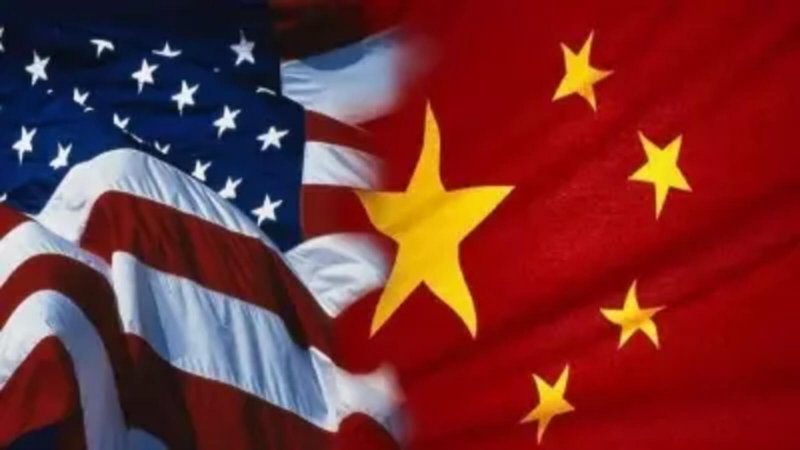
Delegations from China and the United States launched economic and trade consultations in South Korea as both countries continue efforts to manage one of the world’s most important and complicated economic relationships.
The consultations began at Incheon International Airport and come at a time of continuing tensions involving tariffs, technology restrictions, semiconductors, artificial intelligence, and global supply chains.
RECOMMENDED STORIES
Although officials released few details about the meeting agenda, the talks are widely viewed as part of ongoing efforts to stabilize relations between the world’s two largest economies and reduce uncertainty in global markets.
The discussions are attracting major international attention because decisions made by Washington and Beijing can influence trade flows, inflation, investment, technology development, and economic growth worldwide.
Why are U.S.-China economic relations so important globally?
The economic relationship between China and the United States is one of the most influential in the world economy.
Together, the two countries account for a massive share of:
-
Global trade
-
Manufacturing
-
Technology development
-
Financial activity
-
Energy consumption
-
Industrial production
Trade ties between the two countries affect nearly every major sector, including:
-
Electronics
-
Semiconductors
-
Automobiles
-
Agriculture
-
Artificial intelligence
-
Consumer goods
-
Energy markets
When tensions rise between Washington and Beijing, global supply chains and financial markets often react immediately.
Because modern economies are deeply interconnected, disruptions involving either country can have worldwide consequences.
Why are the consultations taking place in South Korea?
South Korea occupies an important strategic position between China and the United States economically, technologically, and geopolitically.
South Korea is a major global player in:
-
Semiconductor production
-
Electronics manufacturing
-
Automotive exports
-
Advanced technology
-
International trade
The country maintains strong economic ties with China while also being one of America’s closest allies in Asia.
Holding consultations in South Korea reflects the country’s growing importance as a diplomatic and economic bridge in regional affairs.
It also highlights how countries deeply integrated into global supply chains are directly affected by U.S.-China tensions.
What are the main issues dividing China and the United States economically?
The two countries disagree on several major economic and strategic issues.
Key disputes include:
-
Tariffs and trade barriers
-
Semiconductor export restrictions
-
Artificial intelligence competition
-
Technology transfer concerns
-
Industrial subsidies
-
National security policies
-
Investment controls
-
Supply chain dependence
Over recent years, the rivalry expanded beyond traditional trade disagreements and increasingly became a competition for technological and geopolitical influence.
The semiconductor sector became especially sensitive because advanced chips are now viewed as critical to national security and economic competitiveness.
Why are semiconductors central to the dispute?
Semiconductors are essential for modern technology and power systems such as:
-
Smartphones
-
Artificial intelligence
-
Military equipment
-
Data centers
-
Telecommunications
-
Electric vehicles
The United States imposed various restrictions aimed at limiting China’s access to advanced semiconductor technologies and manufacturing equipment.
Washington argues such controls are necessary for national security reasons.
China, however, views many of these measures as attempts to slow its technological development and economic rise.
As a result, semiconductors became one of the most politically sensitive areas in U.S.-China relations.
How does artificial intelligence influence the tensions?
Artificial intelligence has become a major strategic battleground between global powers.
Both China and the United States are investing heavily in:
-
AI infrastructure
-
Advanced computing
-
Machine learning systems
-
Robotics
-
Military AI technologies
Control over advanced AI capabilities increasingly depends on access to high performance semiconductors and computing infrastructure.
This is why AI and semiconductor policy became closely connected.
Governments now see technological leadership not only as an economic issue but also as a matter of national security and geopolitical influence.
Why do global markets closely watch U.S.-China talks?
Financial markets react strongly to developments in U.S.-China relations because the two economies influence global trade and investment flows.
Positive dialogue can help:
-
Reduce market uncertainty
-
Improve investor confidence
-
Stabilize supply chains
-
Ease fears of escalation
On the other hand, worsening tensions can trigger concerns about:
-
Trade disruptions
-
Inflation
-
Slower economic growth
-
Technology fragmentation
-
Supply shortages
Industries especially sensitive to the relationship include technology, manufacturing, shipping, and energy.
Even small diplomatic developments between Washington and Beijing can affect global stock markets and commodity prices.
Why have tensions between China and the U.S. increased in recent years?
The relationship between the two countries changed significantly over the past decade.
The United States increasingly viewed China not only as a trading partner but also as a strategic competitor.
Concerns in Washington include:
-
China’s technological rise
-
Military expansion
-
Industrial policies
-
Trade imbalances
-
Cybersecurity risks
-
Influence in global institutions
Meanwhile, China argues that the United States is attempting to contain its economic development and limit its international influence.
This strategic competition now shapes many areas of bilateral relations.
Could these talks improve relations?
The consultations may help stabilize communication channels and reduce immediate tensions, but major disagreements remain unresolved.
Dialogue itself is often viewed positively because it lowers the risk of sudden escalation.
Possible benefits of continued consultations include:
-
Better crisis management
-
Reduced trade uncertainty
-
Increased transparency
-
Limited cooperation on specific issues
-
Improved investor confidence
However, analysts caution that deep structural disputes involving technology, security, and geopolitical influence are unlikely to disappear quickly.
The talks may therefore focus more on managing competition rather than fully resolving it.
How do tariffs still affect both economies?
Tariffs introduced during earlier trade disputes continue affecting businesses and consumers.
Tariffs can increase costs for:
-
Manufacturers
-
Importers
-
Retailers
-
Consumers
Companies often pass higher import costs on to customers through increased prices.
At the same time, tariffs may disrupt supply chains and force companies to rethink manufacturing strategies.
Many businesses globally adapted by diversifying production locations or shifting parts of supply chains to other countries.
Even so, economic ties between China and the United States remain extremely large.
How are supply chains changing because of U.S.-China tensions?
Many companies are trying to reduce dependence on single country supply chains.
This trend is sometimes described as:
-
Diversification
-
Decoupling
-
Friendshoring
-
Supply chain resilience
Businesses increasingly seek alternative production hubs in countries such as:
-
Vietnam
-
India
-
Mexico
-
Malaysia
-
Indonesia
However, completely separating the U.S. and Chinese economies remains extremely difficult because global manufacturing systems are deeply interconnected.
China still plays a central role in many industrial and technological supply chains.
Why is South Korea especially vulnerable to U.S.-China tensions?
South Korea depends heavily on international trade and advanced technology exports.
The country has strong economic relationships with both China and the United States.
Major South Korean industries including semiconductors, electronics, and automobiles can be affected by:
-
Export restrictions
-
Technology controls
-
Supply chain disruptions
-
Trade policy shifts
As a result, South Korea carefully balances its strategic alliance with Washington alongside its major economic ties with Beijing.
This balancing act became increasingly challenging as U.S.-China rivalry intensified.
What could happen next after the consultations?
Several outcomes are possible.
The talks could lead to:
-
Continued diplomatic engagement
-
New economic cooperation mechanisms
-
Reduced trade tensions in specific areas
-
Further negotiations on technology issues
However, disagreements may also persist over major strategic questions.
Future relations will likely depend on:
-
Technology competition
-
Security developments
-
Domestic political pressures
-
Global economic conditions
-
Regional geopolitical events
Most analysts believe the relationship between China and the United States will remain one of managed competition rather than full cooperation or outright confrontation.
Why does the entire world pay attention to U.S.-China relations?
The relationship between China and the United States influences nearly every aspect of the global economy.
Together, the two countries shape:
-
International trade flows
-
Technology development
-
Energy demand
-
Financial markets
-
Industrial production
-
Supply chains
When the two powers cooperate, global markets often stabilize.
When tensions escalate, uncertainty spreads internationally.
This is why even relatively short consultations between Chinese and American officials receive enormous global attention.
The talks in South Korea are therefore not only about bilateral relations but also about the future direction of the global economic system itself.
By Faig Mahmudov


Similar news