The end of oil? 50 nations meet for historic energy summit


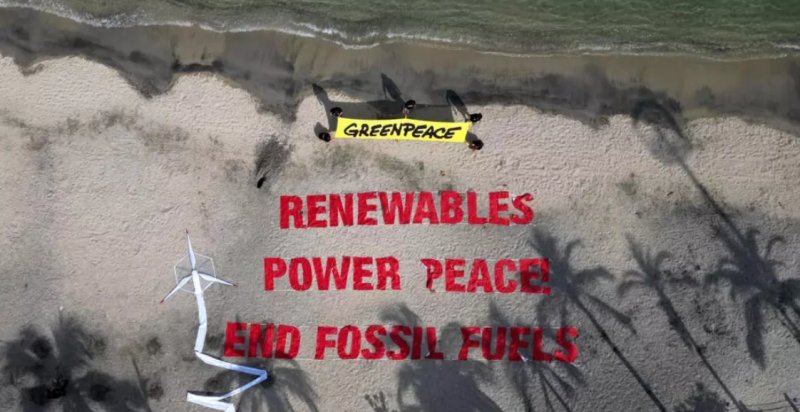
More than 50 countries have gathered in Colombia for the world’s first international talks aimed at charting a path away from fossil fuels, marking a major step in global climate diplomacy.
The two-day conference in Santa Marta brings together ministers and climate envoys from across energy-producing, energy-consuming, and climate-vulnerable nations. It is taking place against a backdrop of geopolitical tensions, including the Iran conflict and a tightening global energy market, News.Az reports, citing foreign media.
Unlike traditional United Nations climate negotiations, the meeting is an independent initiative designed to accelerate discussions on reducing reliance on coal, oil, and gas — the primary drivers of global warming. Organizers say frustration with slow progress in formal UN talks has pushed countries to explore new formats.
RECOMMENDED STORIES
The conference is not expected to produce legally binding agreements, but it will examine policy options such as stopping new fossil fuel expansion, reducing subsidies, and increasing investment in renewable energy systems.
A scientific panel advising the meeting has proposed a range of measures, including a halt on new fossil fuel extraction projects. Experts argue that continued expansion is incompatible with global climate goals.
Despite growing investment in clean energy, researchers warn that current transition speeds remain insufficient to prevent dangerous levels of warming. Global temperatures have already risen by about 1.4°C above pre-industrial levels, and scientists caution that surpassing 1.5°C could trigger severe and irreversible environmental damage.
However, some of the world’s largest emitters — including the United States, China, India, and several Gulf states — are not attending the talks, raising questions about the initiative’s global impact.
Still, participants describe the gathering as a crucial attempt to build momentum on one of the most politically and economically sensitive issues in global climate policy: the future of fossil fuels.
By Aysel Mammadzada


Similar news