Toyota shifts EV strategy, halts Lexus flagship project


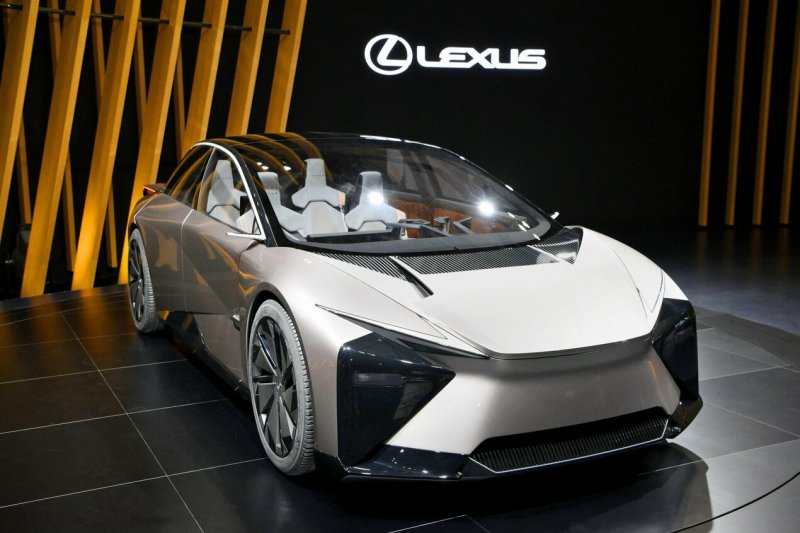
Toyota Motor Corp. has decided to halt development of a next-generation electric vehicle model under its luxury Lexus brand, according to sources familiar with the matter on Friday, News.Az reports, citing Kyodo.
The decision is believed to reflect a slowdown in the global electric vehicle market, although the automaker still plans to continue developing related advanced technologies for future products.
The canceled model is the mass-produced Lexus LF-ZC EV, which had been scheduled to enter production in 2027. The vehicle, which featured fast-charging capability and an extended driving range, was unveiled at the Japan Mobility Show in October 2023.
RECOMMENDED STORIES
Toyota Motor Corp.’s global EV sales in 2025 rose 42.4 percent from a year earlier to more than 190,000 vehicles, with the automaker seeing strong demand for models such as the Toyota bZ4X. However, the EV market has faced headwinds, including the U.S. government’s removal of tax incentives for electric vehicle purchases.
Other Japanese automakers have also revised their EV strategies, with Honda Motor Co. abandoning its goal of transitioning entirely to electric or fuel-cell vehicles by 2040.
Toyota plans to continue developing advanced technologies such as all-solid-state batteries, expected to significantly extend EV driving range, as well as gigacasting, a manufacturing process using aluminum casting machines to produce single-piece components.
“We will respond swiftly to changes in the times and customer needs while striving to build cars that exceed customer expectations,” Toyota said in a statement.
By Nijat Babayev


Similar news