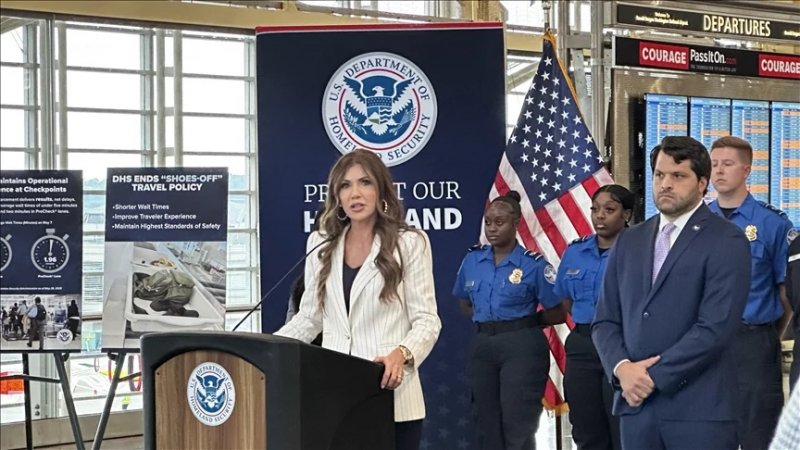
According to Noem, the initiative is designed as the first phase of a broader national plan. She noted that the program will expand across the United States as additional funding becomes available. DHS also plans to accelerate procurement and distribution to ensure officers in multiple regions receive body cameras as quickly as possible.
RECOMMENDED STORIES
The announcement comes during a period of heightened tensions in Minnesota linked to immigration enforcement actions and several controversial shootings involving federal agents. Public demonstrations have continued for more than a month, with activists calling for greater transparency, clearer oversight and independent investigations into federal law enforcement operations.
Public anger intensified following two separate fatal incidents that drew nationwide attention. The events prompted local and state leaders to push for external investigations and question how federal agencies coordinate with local authorities during enforcement activities.
The Minneapolis deployment is being framed by federal officials as both a public trust measure and an operational tool. Supporters of body camera programs argue they can improve evidence collection, strengthen officer accountability and reduce disputes over what happens during enforcement encounters.
Critics, however, say body cameras alone cannot solve deeper concerns about enforcement practices, use-of-force standards and community relations. Civil rights groups have also emphasized that camera policies must include strict rules on activation, data storage and public access to footage.
US President Donald Trump said the decision to deploy cameras was made by the Homeland Security secretary rather than the White House. Speaking to reporters, he described body cameras as generally beneficial for law enforcement, saying they can help clarify disputed incidents and document events more accurately.
Federal agencies across the country have been gradually expanding body camera programs over the past decade, particularly following nationwide calls for police reform and greater transparency in law enforcement. However, implementation has varied widely between federal, state and local agencies due to funding, policy and technology differences.
If the Minneapolis rollout proves effective, DHS officials suggest it could become a model for broader federal adoption. The department is expected to evaluate the program’s impact on officer conduct, complaint rates, prosecution outcomes and public trust metrics before expanding further.
Security analysts say nationwide deployment would require substantial investment not only in cameras themselves but also in data management systems, training programs and oversight mechanisms. Large-scale body camera programs typically generate massive volumes of video data that must be securely stored and properly reviewed.
For Minneapolis, the policy shift may represent a turning point in how federal enforcement operations are monitored and documented. Local officials and community groups are expected to closely watch how the rollout is implemented and whether it leads to measurable changes in policing outcomes.
The broader national expansion timeline remains unclear and will likely depend on congressional funding approvals and DHS procurement capacity. Still, the department has signaled that body cameras will play a growing role in federal law enforcement strategy moving forward.
The Minneapolis rollout highlights the ongoing national debate over balancing public safety, enforcement authority and civil rights protections — a debate that continues to shape law enforcement policy across the United States.