What defines the relationship between China and Kyrgyzstan today?


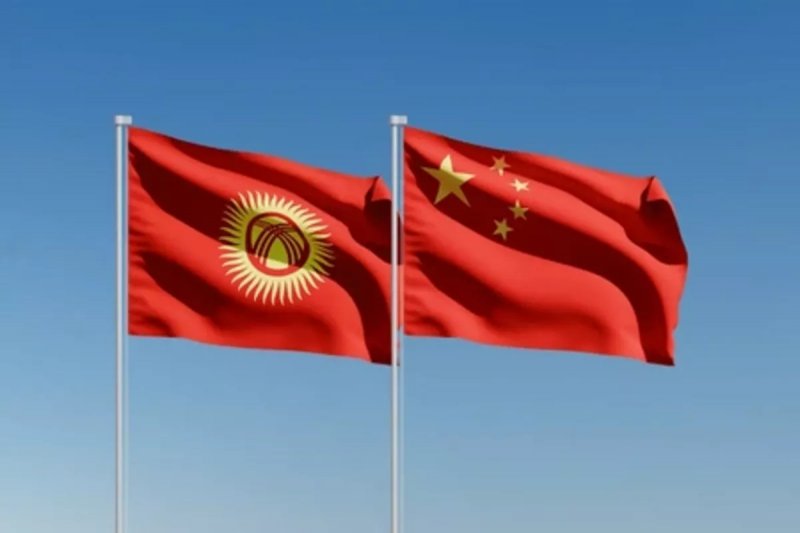
The relationship between China and Kyrgyzstan has evolved into a multifaceted strategic partnership shaped by geography, economics, and regional security considerations.
Since Kyrgyzstan gained independence in 1991, China has emerged as one of its most important neighbors and economic partners. The two countries share a border of over 1,000 kilometers, making stability and cooperation not just desirable but essential.
RECOMMENDED STORIES
At its core, the relationship is driven by pragmatic interests. For China, Kyrgyzstan represents a key gateway into Central Asia and beyond, particularly within the broader framework of transcontinental connectivity. For Kyrgyzstan, China offers critical investment, infrastructure development, and access to one of the world’s largest markets. Over time, this mutual dependence has deepened, transforming bilateral ties into a cornerstone of regional integration.
Political relations between Bishkek and Beijing are generally stable and cooperative. High level visits and diplomatic engagements have reinforced trust, while both countries consistently emphasize respect for sovereignty and non interference. Kyrgyzstan also supports China’s positions on sensitive issues, including territorial integrity, which further strengthens political alignment.
How did historical factors shape bilateral ties?
The historical context of China Kyrgyzstan relations is complex but important. During the Soviet era, Kyrgyzstan, then the Kyrgyz Soviet Socialist Republic, had limited direct interaction with China, as foreign policy was controlled by Moscow. However, the collapse of the Soviet Union in 1991 created new opportunities for independent engagement.
Early relations were shaped by border negotiations and confidence building measures. Both sides prioritized resolving territorial disputes inherited from the Soviet period, and by the late 1990s, border agreements had been finalized. This process laid a crucial foundation for trust and stability.
Another historical factor is the legacy of trade routes linking China to Central Asia through the ancient Silk Road. Modern cooperation is often framed as a revival of these historic connections, particularly under China’s ambitious connectivity initiatives. This historical narrative has been used by both governments to promote a sense of continuity and shared destiny.
What role does the Belt and Road Initiative play?
One of the most defining elements of China Kyrgyzstan relations today is the Belt and Road Initiative, launched by Xi Jinping. Kyrgyzstan occupies a strategic position within this framework, serving as a transit corridor connecting China to Central Asia, the Middle East, and Europe.
Infrastructure development has been a central focus. Chinese financed projects in Kyrgyzstan include roads, power plants, and logistics hubs. These investments aim to improve connectivity and facilitate trade flows, not only between the two countries but across the wider region.
A particularly significant project under discussion is the China Kyrgyzstan Uzbekistan railway. If completed, this railway would dramatically shorten transport routes between East Asia and Europe, bypassing longer northern routes. For Kyrgyzstan, this project could transform the country into a vital transit hub, generating revenue and boosting economic activity.
However, the Belt and Road Initiative is not without challenges. Concerns about debt sustainability and project transparency have been raised within Kyrgyzstan. While Chinese investments have addressed critical infrastructure gaps, they have also increased Kyrgyzstan’s financial obligations, leading to debates about long term economic dependence.
How important is trade between the two countries?
Trade is a central pillar of bilateral relations. China is one of Kyrgyzstan’s largest trading partners, accounting for a significant share of its imports. Kyrgyzstan imports a wide range of goods from China, including machinery, electronics, textiles, and consumer products.
On the export side, Kyrgyzstan’s shipments to China are more limited and primarily consist of raw materials such as minerals and agricultural products. This trade imbalance has been a persistent feature of the relationship and a source of concern for Kyrgyz policymakers.
Despite this imbalance, cross border trade remains vital for Kyrgyzstan’s economy. Informal trade and re export activities also play a role, with Kyrgyz markets acting as distribution points for Chinese goods destined for other Central Asian countries.
Efforts are ongoing to diversify trade and increase Kyrgyz exports to China. These include initiatives to improve agricultural standards, develop processing industries, and enhance logistics capabilities. The success of these efforts will be critical in ensuring a more balanced and sustainable trade relationship.
What is the significance of energy and infrastructure cooperation?
Energy and infrastructure cooperation have become key areas of engagement. Kyrgyzstan, with its mountainous terrain and limited industrial base, faces significant infrastructure challenges. Chinese investment has helped address some of these gaps.
Projects in the energy sector include the modernization of power plants and the development of transmission networks. These initiatives are essential for improving energy security and supporting economic growth in Kyrgyzstan.
Transport infrastructure is another major focus. Road construction and rehabilitation projects have improved connectivity within Kyrgyzstan and with neighboring countries. These developments are particularly important for a landlocked country seeking to integrate into global trade networks.
At the same time, reliance on external financing has raised concerns. Critics argue that excessive dependence on Chinese loans could limit Kyrgyzstan’s economic sovereignty. Supporters, however, emphasize that without such investments, many critical projects would not have been possible.
How do security concerns influence the relationship?
Security cooperation is an important but often less visible aspect of China Kyrgyzstan relations. Both countries share concerns about regional stability, particularly in relation to extremism, terrorism, and cross border crime.
Kyrgyzstan is a member of the Shanghai Cooperation Organisation, which includes China and several other regional powers. This platform provides a framework for joint security initiatives, intelligence sharing, and coordinated responses to threats.
China is particularly concerned about stability in its western region of Xinjiang, which borders Kyrgyzstan. Cooperation with Kyrgyz authorities is seen as essential in preventing cross border movements of extremist groups and maintaining regional security.
Joint military exercises and training programs have also been conducted, reflecting a growing level of defense cooperation. While Kyrgyzstan maintains a balanced foreign policy and engages with multiple partners, China’s role in its security landscape has steadily increased.
What challenges exist in public perception and domestic politics?
Despite strong government to government relations, public perception of China in Kyrgyzstan is mixed. While many recognize the benefits of Chinese investment and economic cooperation, there are also concerns about labor practices, environmental impact, and national sovereignty.
Protests against certain Chinese projects have occurred, reflecting fears of excessive foreign influence and economic dependency. Issues such as the use of Chinese labor in infrastructure projects and the terms of loan agreements have been particularly sensitive.
Domestic politics in Kyrgyzstan can also influence bilateral relations. Changes in government and shifts in political priorities may affect the pace and direction of cooperation. However, the overall trajectory of relations has remained stable, suggesting a broad consensus on the importance of maintaining strong ties with China.
China, for its part, has sought to address some of these concerns by emphasizing mutual benefit and respect for local conditions. Public diplomacy efforts, including cultural exchanges and educational programs, aim to improve perceptions and build long term goodwill.
How do regional dynamics affect bilateral ties?
China Kyrgyzstan relations cannot be understood in isolation from the broader regional context. Central Asia is a region of strategic importance, attracting the interest of multiple global and regional powers.
Kyrgyzstan maintains a multi vector foreign policy, balancing its relations with China, Russia, and other partners. Russia remains a key security partner, while China is the dominant economic actor. This balance allows Kyrgyzstan to maximize its strategic options while avoiding overdependence on any single partner.
Regional initiatives, including transport corridors and economic integration projects, also shape bilateral relations. Cooperation with neighboring countries, particularly Uzbekistan, is essential for the success of major infrastructure projects.
China’s growing influence in Central Asia has also led to increased competition with other powers. However, in the case of Kyrgyzstan, this competition has generally not translated into direct conflict, as different actors tend to focus on complementary areas.
What is the future outlook for China Kyrgyzstan relations?
Looking ahead, the relationship between China and Kyrgyzstan is likely to deepen further, driven by shared economic and strategic interests. Infrastructure development, trade expansion, and regional connectivity will remain central themes.
The successful implementation of major projects, such as the proposed railway linking China, Kyrgyzstan, and Uzbekistan, could significantly reshape the region’s economic landscape. For Kyrgyzstan, this represents both an opportunity and a challenge, requiring careful management of risks and benefits.
At the same time, addressing concerns about debt sustainability, transparency, and public perception will be crucial. Ensuring that cooperation delivers tangible benefits for the Kyrgyz population will be key to maintaining long term stability in the relationship.
Technological cooperation and digital connectivity may also emerge as new areas of engagement. As China continues to expand its global technological footprint, Kyrgyzstan could benefit from access to advanced technologies and digital infrastructure.
In conclusion, China Kyrgyzstan relations are characterized by a complex interplay of opportunity and challenge. Rooted in geography and reinforced by economic necessity, the partnership has become a defining feature of Central Asia’s evolving landscape. While uncertainties remain, the trajectory points toward continued engagement, adaptation, and mutual dependence in an increasingly interconnected world.
By Faig Mahmudov


Similar news