What hinders the accelerated development of the automotive industry in Azerbaijan?


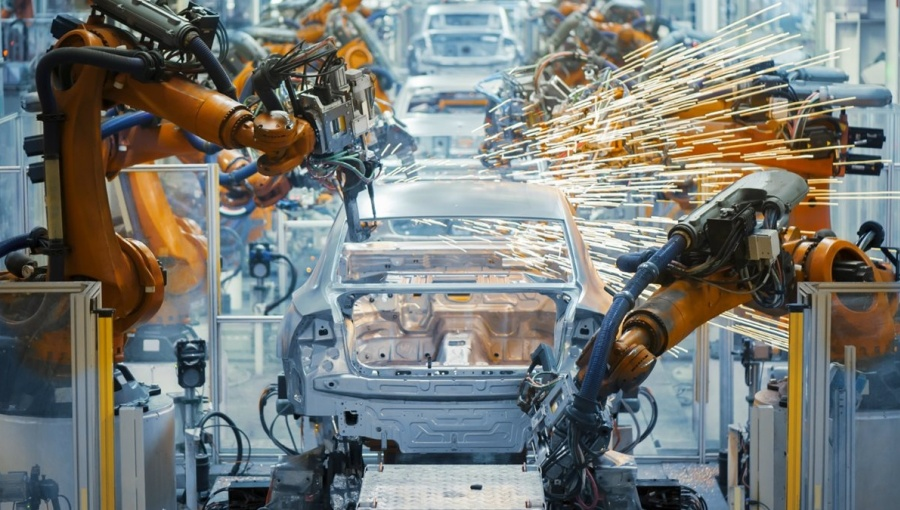
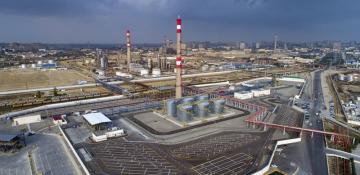
BYD Company Limited, a leading Chinese firm, has announced plans to invest an initial $34 million in constructing an electric bus factory in Azerbaijan. According to Interfax-Azerbaijan, citing data from the Ministry of Economy, the facility is expected to commence operations in 2025 with an annual production capacity of 500 buses. The plant will be located in the Sumgayit Chemical Industrial Park, and the project is expected to create 800 new jobs. Electrify Azerbaijan LLC will serve as the local partner for the project, with the Azerbaijan Investment Company being one of the investors.
The Ministry of Economy also stated that in the third year of the project's implementation, BYD intends to start localizing the production of spare parts for electric buses in Azerbaijan, with relevant research already underway.
Additionally, under the agreements, BYD will supply electric buses to Azerbaijan for use at the COP29 climate conference in November 2024.
In future collaborations with BYD, there are also plans to establish production of heavy-duty electric vehicles, utility electric vehicles, and battery assembly in Azerbaijan. The company plans to invest approximately $60 million in these projects.
Furthermore, in January 2024, BYD launched an electric vehicle assembly plant in Uzbekistan. The plant has an annual production capacity of 50,000 vehicles, and due to growing market demand, there are considerations to expand the model range and increase production capacity to 300,000 vehicles per year.
Azerbaijan is actively developing its automotive industry, which is a key driver for its national economy. The country currently operates three passenger car manufacturing plants located in Neftchala, Hajigabul, and Nakhchivan. In 2023, passenger car production reached 3,738 units, marking an 82.4% increase from the previous year, with production expected to surpass five thousand cars annually.
In March this year, the Russian company AvtoVAZ began manufacturing Lada vehicles in Azerbaijan, with plans to produce up to 1,500 cars by 2024. Additionally, other automotive brands including Peugeot, KamAZ, Howo, and Ganja Auto Plant are also produced in the country.
A significant step in supporting the domestic auto industry has been the exemption from VAT on sales of locally produced passenger cars, effective from May 1, 2023, for a decade. Furthermore, a list of raw materials and components for car production exempt from VAT until January 1, 2031, was approved. In early 2024, Azerbaijan implemented restrictions on importing used cars over ten years old, aiming to renew the vehicle fleet and increase the share of eco-friendly vehicles.
Emulating the success of neighboring Turkey, which has robustly developed its automotive sector, Azerbaijan is making considerable strides in energizing this sector of its economy. The country has demonstrated its commitment to innovation by launching its own electric vehicle,the Togg T10X, underscoring its ambitions in the sustainable transport sector.
It's noteworthy that approximately 80% of vehicles in Azerbaijan are over ten years old. The government's decision to limit imports of used vehicles older than ten years is intended to modernize the vehicle fleet. This initiative is expected to boost the proportion of environmentally friendly vehicles, including electric and hybrid models, contributing to better environmental conditions in the country and aligning with global sustainable development goals.
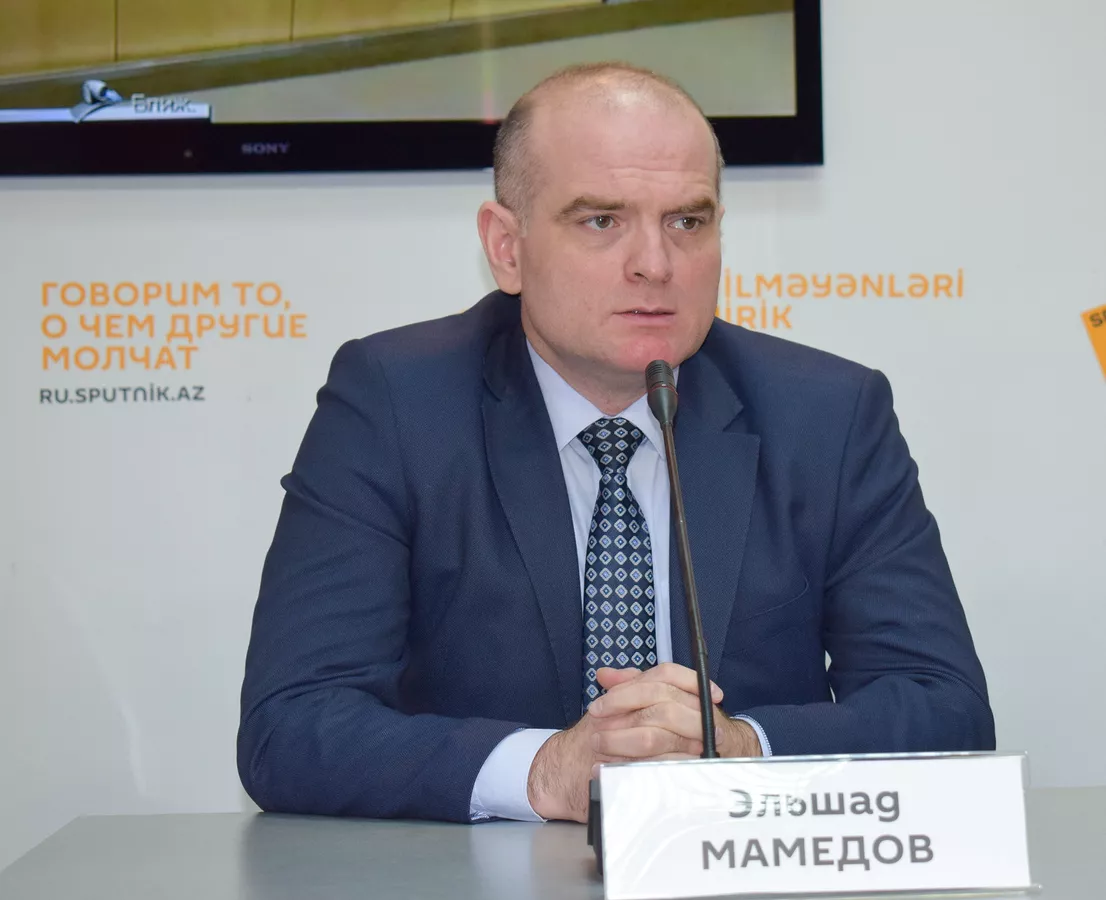
Economist Elshad Mammadov has emphasized the challenges in developing the automotive industry, noting that such initiatives are not feasible for all countries. According to Mammadov, the primary barrier is the absence of a sufficiently large sales market essential for supporting the industry. He argues that while it is possible to develop technology and innovation, these efforts would be inefficient without guaranteed market demand.
"Developing complex sectors like the automotive industry requires not only technological preparation but also a substantial market with a population of about 50 million people. If we consider Azerbaijan, our market is too small to independently sustain such an industry, which implies the need to seek opportunities for expansion and integration with larger market spaces," Mammadov explained.
He added that sustainable development necessitates deepening technological cooperation and striving for economic integration at the regional level to secure access to necessary markets.
Mammadov highlights the critical need for deepening technological cooperation and labor division within the automotive industry. He specifically points out that without such an approach, high-tech solutions in the automotive sector could prove impractical.
"At present, Azerbaijan lacks advanced technologies, making the introduction of innovations, particularly in management and regulation, crucial. The need to import technologies will persist for some time, but it is also vital to build the entire technological and transport-logistical chain with consideration of market demands and qualified personnel," said Mammadov.
The economist adds that having a skilled workforce and a developed engineering school are essential for sustainable competitiveness in the industrial sector. He stresses that for the successful development of the automotive industry in Azerbaijan, regional economic integration is necessary.
"Regional economic integration is among the priorities for our automotive industry since it opens doors to larger markets and aids in harnessing the potential of the local industry," Mammadov remarks.
He emphasized the importance of establishing regional sales markets for the sustainable development of local car production with foreign investment. He stressed that a focus solely on the domestic market would not allow achieving necessary profitability levels in the automotive industry.
"Products must be designed not only for the domestic but also for foreign markets. Otherwise, given the Azerbaijani market's size, achieving the required profitability is improbable, rendering the development of the automotive industry impractical without access to regional markets," Mammadov declared.
He added that a strategic policy to create and expand regional markets is necessary, which would enable the Azerbaijani automotive industry to survive and develop, competing on an international level.
Mammadov also points out the potential and challenges related to developing the automotive industry in Azerbaijan through technology imports and creating production capacities capable of entering international markets. He notes the importance of production localization and the direct link between the depth of the production cycle and the economic benefits for the country.
"Differences in the level of production localization can significantly affect the country's economy. Simple assembly will yield smaller dividends, whereas a deeper production cycle with labor division will not only create more jobs but also deepen the technological development of the automotive industry in Azerbaijan," he asserted.
He further stresses the need to adapt the national infrastructure, including technological lines and transport-logistical capabilities, and prepare qualified personnel to meet the dynamic market's evolving demands.
"Effective development of the automotive industry requires government support in the form of incentives for direct foreign investment and creating favorable conditions for industry growth, ultimately fostering the country's economic development," Mammadov concluded.
Thus, Azerbaijan's automotive industry is currently modestly developed, primarily confined to assembling vehicles from imported components. There is also low domestic demand for local brands, as most citizens prefer foreign-made vehicles. However, with a skilled investment strategy and the right choice of strategic partners, the prospects for the domestic automotive industry could significantly improve in the foreseeable future.


Similar news