What's behind the new Sweden-Norway-Canada weapons package for Ukraine?


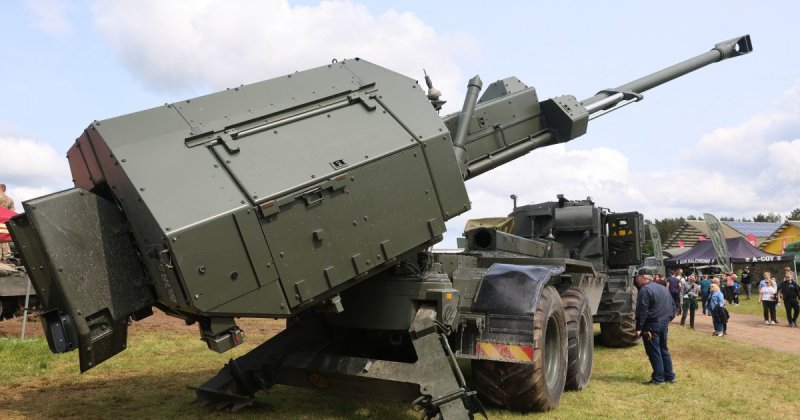
Sweden, Norway, and Canada are set to announce a new military assistance package for Ukraine as Kyiv continues to battle Russian forces more than four years after Moscow's full-scale invasion.
The package will be delivered through the Prioritised Ukraine Requirements List (PURL) mechanism and will focus on supplying Ukraine with U.S.-made weapons and military equipment, News.az reports.
The announcement underscores the continued commitment of Western allies to supporting Ukraine's defense capabilities amid an evolving battlefield situation and growing concerns about long-term military assistance.
But what exactly is the new package, why is it important, and what does it reveal about the future of Western support for Ukraine? Here is everything you need to know.
What was announced?
Swedish Defense Minister Pål Jonson announced that Sweden, Norway, and Canada will jointly unveil a new military aid package for Ukraine.
The package will be provided through the Prioritised Ukraine Requirements List (PURL), a framework designed to rapidly identify and finance critical military equipment requested by Ukraine.
According to Sweden's Ministry of Defence, Stockholm will contribute approximately $108 million to the initiative. The exact contributions from Norway and Canada have not yet been disclosed.
The assistance will be used to procure U.S.-made weapons and military systems needed by Ukraine's armed forces.
What is the Prioritised Ukraine Requirements List (PURL)?
The Prioritised Ukraine Requirements List, commonly referred to as PURL, is a mechanism developed to streamline military assistance to Ukraine.
Instead of donor countries independently deciding which equipment to provide, Ukrainian military authorities identify their most urgent operational needs. These requirements are then shared with partner countries, which contribute funding or equipment accordingly.
The system aims to improve efficiency and ensure that military aid corresponds directly to battlefield demands.
PURL has become increasingly important as the war has evolved and Ukraine's military requirements have become more specialized and technologically complex.
By focusing on Ukrainian priorities rather than donor preferences, the mechanism seeks to maximize the effectiveness of international assistance.
Why are Sweden, Norway, and Canada acting together?
The joint initiative reflects a growing trend among Western allies to coordinate military aid packages rather than acting independently.
Cooperation offers several advantages.
First, it allows countries to pool financial resources and purchase larger quantities of equipment.
Second, coordinated assistance helps avoid duplication and ensures that aid packages complement each other.
Third, multinational initiatives demonstrate political unity and reinforce collective support for Ukraine.
Sweden, Norway, and Canada have all been among Ukraine's strongest supporters since the beginning of Russia's invasion. The new package highlights their commitment to maintaining that support despite the prolonged nature of the conflict.
Why are U.S. weapons being purchased?
Although Sweden, Norway, and Canada possess their own defense industries, U.S.-made weapons remain among the most widely used systems within NATO.
Several factors explain the decision to procure American equipment.
Availability
The United States maintains one of the world's largest defense manufacturing bases and can often supply weapons more quickly than other producers.
Compatibility
Many NATO members already use U.S.-made systems, making training, maintenance, and logistics easier.
Battlefield Performance
American weapons such as HIMARS rocket systems, Patriot air-defense systems, and precision-guided munitions have played a significant role in Ukraine's defense efforts.
Standardization
Using common systems improves interoperability between Ukrainian forces and Western partners.
The exact weapons included in the package have not yet been publicly disclosed.
Why does Ukraine continue to need military assistance?
More than four years after Russia launched its full-scale invasion in February 2022, Ukraine remains engaged in one of the largest military conflicts in Europe since World War II.
The war has evolved into a prolonged struggle involving:
-
Artillery battles
-
Drone warfare
-
Missile attacks
-
Air-defense operations
-
Mechanized offensives
-
Electronic warfare
Military equipment is consumed at an extremely high rate during modern warfare.
Ukraine requires a continuous supply of:
-
Ammunition
-
Air-defense missiles
-
Armored vehicles
-
Artillery systems
-
Drones
-
Communications equipment
-
Precision-guided weapons
Without ongoing international support, maintaining operational effectiveness would become increasingly difficult.
Why is Western support considered crucial?
Western military assistance has become one of the key factors enabling Ukraine to resist Russian military pressure.
Since 2022, Ukraine has received billions of dollars worth of military aid from NATO members and other partners.
This support has allowed Kyiv to:
-
Defend major cities
-
Protect critical infrastructure
-
Conduct counteroffensives
-
Strengthen air defenses
-
Modernize military capabilities
Analysts generally agree that Western military assistance has significantly influenced the course of the conflict.
Many of Ukraine's most successful operations have relied on advanced Western systems.
How much aid has Sweden provided to Ukraine?
Sweden has emerged as one of Ukraine's most significant European supporters.
Since Russia's invasion, Stockholm has supplied a wide range of military equipment, including:
-
Artillery systems
-
Armored vehicles
-
Ammunition
-
Air-defense assets
-
Financial assistance
-
Training support
Sweden's contribution to the new package amounts to approximately $108 million.
The Nordic country joined NATO in 2024, and support for Ukraine has become a central element of its security policy.
Swedish officials argue that helping Ukraine defend itself contributes directly to European security.
What role has Norway played?
Norway has also become a major contributor to Ukraine's defense effort.
The country has provided:
-
Air-defense systems
-
Financial support
-
Training programs
-
Military equipment
-
Humanitarian assistance
As a NATO member sharing strategic interests in Northern Europe, Norway views Russia's actions in Ukraine as having direct implications for regional stability.
Norwegian leaders have repeatedly emphasized that supporting Ukraine is essential for maintaining European security and deterring future aggression.
What role has Canada played?
Canada has been among Ukraine's most consistent international supporters.
The country has provided:
-
Military training
-
Weapons systems
-
Armored vehicles
-
Intelligence cooperation
-
Financial aid
-
Humanitarian assistance
Canada is home to a large Ukrainian diaspora community, which has influenced public and political support for Ukraine.
Ottawa has consistently advocated for continued international backing and has imposed multiple rounds of sanctions against Russia.
Could the new package affect the battlefield?
The impact of the package will depend largely on the specific weapons included.
If the funding is used for high-demand capabilities such as air-defense missiles, long-range precision weapons, or artillery ammunition, it could help address some of Ukraine's most pressing operational needs.
Military experts note that modern warfare often depends less on individual weapons and more on sustaining a reliable flow of equipment and ammunition over time.
Even relatively modest aid packages can have significant effects if they fill critical capability gaps.
What challenges does Ukraine currently face?
Ukraine continues to confront several major military challenges.
Ammunition Shortages
High-intensity warfare consumes enormous quantities of ammunition.
Air Attacks
Russia continues to launch missile and drone attacks against Ukrainian cities and infrastructure.
Personnel Pressures
Both sides face challenges related to recruitment, training, and force sustainability.
Infrastructure Damage
Energy facilities, transportation networks, and industrial sites remain frequent targets.
Technological Competition
The battlefield is increasingly shaped by drones, electronic warfare, and advanced surveillance technologies.
Addressing these challenges requires both military assistance and long-term defense planning.
Does the package signal continued Western commitment?
Yes.
Perhaps the most important aspect of the announcement is its political significance.
The package demonstrates that key Western allies remain committed to supporting Ukraine despite the duration of the conflict.
As the war enters another year, questions have occasionally emerged regarding donor fatigue and the sustainability of assistance efforts.
The joint initiative by Sweden, Norway, and Canada sends a signal that support remains active and coordinated.
For Ukraine, such commitments are important not only for military planning but also for maintaining confidence in long-term international backing.
What does this mean for NATO and European security?
Many NATO members view Ukraine's defense as closely linked to broader European security.
Officials across the alliance frequently argue that the outcome of the war will influence future security dynamics throughout Europe.
Supporters of military aid contend that helping Ukraine resist Russian aggression strengthens deterrence and contributes to regional stability.
Critics, meanwhile, warn about escalating tensions and the long-term costs of continued support.
Regardless of differing views, the latest package illustrates that major Western governments continue to regard assistance to Ukraine as a strategic priority.
The Bottom Line
The new military assistance package from Sweden, Norway, and Canada represents another chapter in the extensive international effort to support Ukraine's defense against Russia. Through the Prioritised Ukraine Requirements List mechanism, the three countries aim to finance U.S.-made weapons that correspond directly to Ukraine's battlefield needs.
While the specific equipment has yet to be disclosed, the initiative highlights two important realities: Ukraine continues to require substantial military support, and key Western allies remain committed to providing it. Beyond the weapons themselves, the package serves as a political signal of continued international backing at a time when the conflict remains one of the defining security challenges facing Europe and the broader transatlantic community.
By Faig Mahmudov


Similar news