Where the Israel-Gaza war stands now


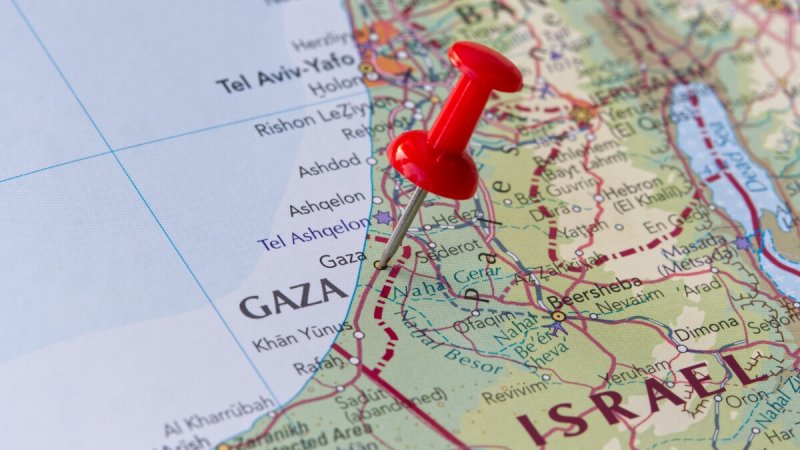
As 2026 unfolds, the Israel-Gaza war remains one of the most destabilizing and politically charged conflicts in the Middle East.
While the intensity of large-scale ground combat has fluctuated, the war continues through air strikes, limited ground operations, regional spillover risks, and unresolved diplomatic efforts, News.az reports.
RECOMMENDED STORIES
The conflict has evolved from an acute military confrontation into a prolonged crisis defined by humanitarian catastrophe, political deadlock, and regional insecurity.
Israel maintains that its military campaign is aimed at dismantling Hamas’s governing and military capabilities in Gaza and preventing future attacks on Israeli territory. Hamas, despite sustaining heavy losses, continues to assert its ability to resist Israeli forces and retain influence within Gaza. Civilians remain caught between these objectives, with Gaza experiencing widespread destruction and Israel facing continued security threats.
Military situation and operational dynamics
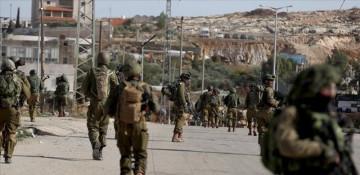
The military phase of the conflict has shifted from large scale ground offensives to a combination of targeted raids, air and artillery strikes, and intelligence driven operations. Israeli forces continue to strike what they describe as Hamas command centers, weapons depots, tunnel infrastructure, and leadership targets across Gaza. These strikes are often concentrated in densely populated urban areas, reflecting the nature of Hamas’s embedded military infrastructure.
Israeli officials argue that Hamas deliberately operates within civilian areas, complicating military operations and increasing civilian harm. Hamas denies using civilians as shields and accuses Israel of indiscriminate force. The result is a battlefield where civilian casualties remain high and where distinguishing combatants from non combatants is increasingly difficult.
Hamas retains the ability to launch rockets into Israeli territory, though at a reduced scale compared with earlier phases of the war. Israel’s air defense systems continue to intercept many projectiles, but rocket fire maintains psychological pressure on Israeli communities, particularly in southern regions.
On the ground, Israeli units conduct limited incursions rather than sustained occupation of large areas. This approach reflects both military calculations and political considerations, as prolonged presence in Gaza carries high costs and international scrutiny. Hamas fighters rely on tunnels, mobility, and asymmetric tactics to avoid direct confrontation while maintaining resistance.
Humanitarian crisis in Gaza
The humanitarian situation in Gaza remains dire and is one of the defining features of the war. Large parts of Gaza’s housing stock have been destroyed or severely damaged. Hospitals operate under extreme strain, facing shortages of fuel, medical supplies, and personnel. Clean water access remains limited, increasing the risk of disease.
Displacement is widespread. Hundreds of thousands of residents have been forced to move multiple times, often with little warning and no guarantee of safety. Shelters are overcrowded, sanitation conditions are poor, and aid distribution is inconsistent.
Humanitarian organizations have repeatedly warned that Gaza is facing long term collapse of basic services. Even if large scale fighting were to stop, recovery would take years. Rebuilding infrastructure, restoring governance, and addressing trauma among the population represent challenges far beyond immediate ceasefire negotiations.
Israel has allowed limited humanitarian aid into Gaza, often under international pressure. Israeli authorities argue that restrictions are necessary to prevent Hamas from diverting aid for military purposes. Aid agencies counter that the scale of need far exceeds what is currently permitted and that delays cost civilian lives.
Political objectives and strategic calculations
Israel’s stated objective is the complete dismantling of Hamas as a military and governing force in Gaza. This goal, however, has proven difficult to achieve. Hamas has lost senior leaders and infrastructure but continues to function as an armed movement and political symbol of resistance.
Within Israel, political pressure remains intense. The government faces demands to ensure long term security while also responding to international criticism and domestic debate over the war’s direction. Families of hostages continue to push for negotiated releases, while others demand continued military pressure.
Hamas, for its part, seeks survival and relevance. Even in a weakened state, it positions itself as a central actor in Palestinian resistance and attempts to shape post war narratives. Its ability to endure, rather than defeat Israel militarily, is presented as a form of victory to supporters.
Neither side has articulated a clear and widely accepted plan for Gaza after the war. Israel has rejected returning Gaza to Hamas control and remains skeptical of international administration proposals. Palestinian political unity remains fractured, complicating any transition.
Ceasefire efforts and stalled diplomacy
Diplomatic efforts to secure a lasting ceasefire have repeatedly stalled. Temporary pauses in fighting have occurred, often linked to hostage exchanges or humanitarian access, but these arrangements have proven fragile.
Key disagreements include the duration of any ceasefire, the sequencing of hostage releases, the withdrawal or redeployment of Israeli forces, and the future governance of Gaza. Israel insists on retaining freedom of action against Hamas, while Hamas demands guarantees against renewed attacks.
Regional and international mediators have attempted to bridge these gaps, but trust between the parties is minimal. Each side views concessions as strategic risks rather than confidence building measures.
The absence of a broader political framework for resolving the Israeli Palestinian conflict further complicates ceasefire efforts. Without addressing underlying issues such as statehood, borders, and security guarantees, any pause in fighting risks collapsing under renewed tensions.
Regional impact and risk of escalation
The Israel Gaza war has not remained confined to Gaza. The conflict has increased tensions across the region, particularly along Israel’s northern border and in the Red Sea and eastern Mediterranean.
Armed groups aligned with Hamas have engaged in limited attacks, framing their actions as solidarity with Gaza. Israel has responded with strikes aimed at deterrence, raising concerns about a wider regional conflict.
Maritime security has also been affected, with disruptions to shipping routes and heightened military presence in key waterways. These developments have economic implications far beyond the immediate region, affecting trade and energy markets.
Regional governments face domestic pressure from populations sympathetic to Gaza’s plight, while also attempting to avoid direct military confrontation with Israel. This balancing act has become increasingly difficult as civilian suffering continues.
International pressure and legal scrutiny
International scrutiny of the war has intensified. Israel faces growing criticism over civilian casualties, infrastructure destruction, and restrictions on aid. Israeli officials reject accusations of disproportionate force and emphasize their right to self defense.
Hamas is also condemned internationally for its attacks on civilians and its tactics within Gaza. However, enforcement mechanisms against Hamas remain limited, as it is not a state actor and operates within a besieged territory.
Legal debates surrounding the war have expanded, with questions about compliance with international humanitarian law, accountability, and future reconstruction obligations. These debates are likely to persist long after active fighting subsides.
Public opinion across different regions has hardened, contributing to polarization and making diplomatic compromise more politically costly for leaders involved.
What comes next
The near future of the Israel Gaza war remains uncertain. Several possible trajectories exist.
One scenario involves a negotiated ceasefire tied to hostage exchanges and increased humanitarian access, followed by prolonged negotiations over Gaza’s governance. Another involves continued low intensity conflict, with periodic escalations and no clear resolution.
A more dangerous scenario would involve regional escalation, drawing in additional actors and expanding the conflict beyond Gaza and Israel.
Long term stability depends on addressing not only immediate security concerns but also the political and humanitarian foundations of the conflict. Without a credible plan for Gaza’s future and broader progress toward resolving the Israeli Palestinian dispute, cycles of violence are likely to continue.
Bottom line
The Israel Gaza war has moved beyond a short term military campaign and has become a prolonged crisis with far reaching consequences. Military operations continue alongside humanitarian collapse, diplomatic paralysis, and regional instability.
Neither side has achieved its core objectives, and civilians continue to bear the greatest cost. As the war drags on, the gap between military action and political resolution grows wider, making a durable peace increasingly difficult to achieve.
The coming months will test whether diplomacy can regain momentum or whether the conflict will remain locked in a destructive stalemate with no clear end in sight.
By Faig Mahmudov


Similar news