Who are the two Australian women charged over alleged Islamic State crimes in Syria?


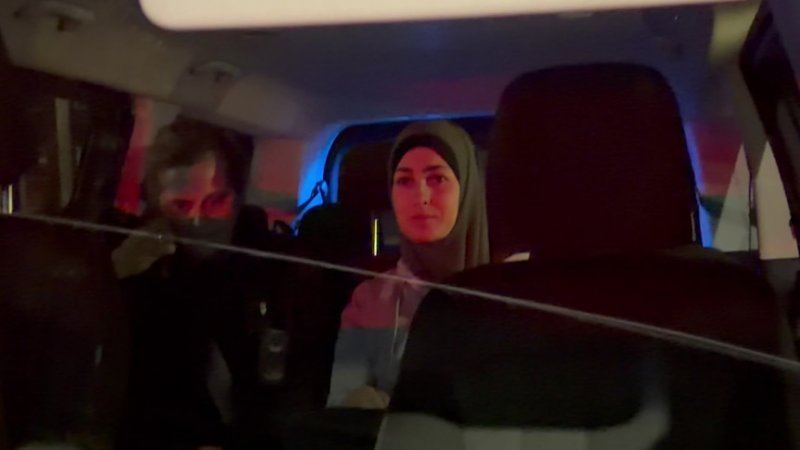
Australia was shaken by major terrorism related developments after two women accused of supporting the extremist group Islamic State were formally charged with serious offenses linked to crimes against humanity following their return from Syria.
The case has drawn significant international attention because it highlights the continuing legal, security and humanitarian challenges governments face in dealing with citizens who traveled to conflict zones controlled by extremist organizations during the height of the Islamic State insurgency.
RECOMMENDED STORIES
Below is a detailed FAQ explainer on the accusations, the investigation and the broader implications of the case.
Who are the women facing charges?
Australian authorities confirmed that two women who had previously traveled to Syria during the rise of Islamic State have been charged with offenses connected to alleged crimes committed while living in territory once controlled by the extremist group.
Officials have not publicly released all details about the women’s identities because of legal proceedings and security considerations. However, investigators said both women had spent time in Islamic State controlled regions before eventually being repatriated to Australia.
The women were reportedly among several Australians who had remained in detention camps or conflict affected areas in Syria following the collapse of the Islamic State territorial caliphate.
What charges are they facing?
The women were charged with crimes linked to supporting or participating in activities connected to crimes against humanity.
Australian authorities alleged the women were involved in conduct that contributed to the abuse and exploitation of civilians during the period when Islamic State controlled large areas of Syria and Iraq.
Crimes against humanity are considered among the most serious offenses under international law. Such charges usually involve systematic abuses directed against civilian populations, including persecution, enslavement, torture, forced imprisonment or other inhumane acts.
Investigators said the allegations relate to conduct that occurred while the women were living under Islamic State rule.
What is Islamic State?
Islamic State, also known as ISIS or ISIL, emerged as one of the world’s most feared extremist organizations during the Syrian and Iraqi conflicts.
The group declared a so called caliphate in 2014 after capturing large territories across both countries. Islamic State became notorious for mass killings, executions, kidnappings, sexual slavery and terrorist attacks around the world.
At its peak, thousands of foreign fighters and supporters traveled from different countries to join or support the group, including individuals from Australia, Europe, Asia and North America.
Although Islamic State lost most of its territory after international military campaigns, the group still operates through smaller insurgent cells and affiliated networks in several regions.
Why is this case so significant for Australia?
The case is historically important because crimes against humanity charges are extremely rare in Australia.
Australian authorities spent years investigating citizens who traveled to Syria and Iraq during the Islamic State conflict. However, prosecuting such cases has proven legally and politically complex due to the difficulty of collecting evidence from war zones.
The charges demonstrate Australia’s increasing willingness to pursue international crimes cases domestically against returning citizens suspected of involvement with extremist organizations.
The investigation also reflects broader concerns about accountability for actions committed during the Syrian conflict.
How did the women return to Australia?
The women were reportedly repatriated from detention camps in northeastern Syria where many foreign women and children linked to Islamic State have remained since the collapse of the group’s territorial control.
For years, Western governments debated whether to bring back citizens from the camps. Critics argued that repatriation could create security risks, while human rights groups warned that leaving women and children indefinitely in harsh camp conditions created humanitarian and legal problems.
Australia eventually repatriated several women and children through carefully coordinated operations involving intelligence agencies and foreign partners.
Authorities said those returned to Australia would face monitoring, rehabilitation programs or legal action depending on individual circumstances.
What evidence are prosecutors expected to use?
Building such cases is extremely challenging because many alleged crimes occurred inside active conflict zones years ago.
Investigators may rely on several forms of evidence, including:
• Witness testimony from survivors or former detainees
• Digital communications and online activity
• Photographs, videos or propaganda materials
• Intelligence gathered by international partners
• Travel records and identity documents
• Evidence recovered from conflict areas
Australian authorities worked alongside international agencies and foreign governments during the investigation process.
Legal experts say the case could become one of the most closely watched terrorism related trials in Australia in recent years.
Did the women directly participate in violence?
Authorities have not publicly detailed the full scope of the allegations.
However, crimes against humanity charges do not always require direct participation in combat operations. Prosecutors may argue that support roles, participation in systems of abuse or involvement in exploitation networks connected to Islamic State contributed to broader crimes committed by the organization.
This remains one of the key legal and ethical debates surrounding cases involving women linked to extremist groups.
Some argue certain women were victims themselves after being coerced or manipulated, while others insist individuals who actively supported extremist systems should face accountability.
The court process will ultimately determine the strength of the evidence and the extent of alleged involvement.
Why have cases involving women linked to Islamic State become controversial internationally?
Governments around the world have struggled with how to handle women who traveled to Islamic State territory.
For years, public discussion often focused primarily on male foreign fighters. However, investigations later showed that some women allegedly played active roles inside extremist structures, including recruitment, propaganda, enforcement and participation in systems of control.
At the same time, some women claimed they were forced into the environment, trafficked or trapped after arriving in Syria.
This has created difficult legal and moral questions about responsibility, victimhood and rehabilitation.
Different countries adopted different approaches. Some revoked citizenship, others refused repatriation for years, while some chose prosecution and reintegration programs.
How serious are crimes against humanity charges under Australian law?
Crimes against humanity offenses are among the gravest crimes recognized under international criminal law.
Such charges can carry extremely severe penalties, including lengthy prison sentences.
Australia incorporated international crimes provisions into domestic law to allow prosecution of genocide, war crimes and crimes against humanity committed abroad under certain circumstances.
Legal analysts say these cases are intentionally difficult to prosecute because prosecutors must prove not only individual actions but also connections to widespread or systematic attacks against civilians.
This means the trials are often lengthy, evidence heavy and internationally significant.
What security concerns exist after repatriation?
Australian security agencies have long warned that individuals returning from conflict zones may present security risks, particularly if extremist beliefs remain intact.
Authorities said extensive assessments and monitoring measures are used when returnees arrive in the country.
At the same time, experts argue that leaving citizens indefinitely in unstable foreign camps can itself increase radicalization risks and create long term security problems.
Children raised in detention camps have also become a major concern because many experienced trauma, violence and disrupted education during crucial developmental years.
The issue continues to divide public opinion in Australia and other Western countries.
How has the Australian government responded politically?
Australian officials emphasized that national security agencies would continue investigating any citizen suspected of involvement in extremist crimes overseas.
Government representatives argued that repatriation does not protect individuals from prosecution and that Australian courts remain capable of handling complex terrorism related cases.
Political leaders also stressed that the charges demonstrate Australia’s commitment to accountability under both domestic and international law.
However, critics continue debating whether the government acted too slowly in dealing with Australians stranded in Syrian camps after the collapse of Islamic State.
What happens next in the legal process?
The women are expected to appear before Australian courts as the case proceeds through preliminary hearings and legal review stages.
Because of the seriousness of the allegations, the process could continue for an extended period before any final verdicts are reached.
Defense lawyers are likely to challenge aspects of the evidence, including material collected from overseas conflict zones.
The proceedings may also involve classified intelligence, international cooperation and witness protection measures.
Legal experts believe the case could shape how Australia handles future international terrorism and war crimes prosecutions.
Why does this case matter globally?
The case is part of a broader international effort to address accountability for crimes committed during the Syrian conflict and under Islamic State rule.
Countries around the world continue grappling with difficult questions involving foreign fighters, extremist ideology, international law and post conflict justice.
The prosecution of alleged crimes against humanity linked to Islamic State may influence future cases in Europe, North America and elsewhere involving returning citizens accused of participating in extremist systems.
The trial could also become an important test of how democratic societies balance national security, human rights and legal accountability in the aftermath of one of the most violent extremist movements of the modern era.
By Faig Mahmudov


Similar news