The controversy quickly went viral online and reignited debates about tourism, gentrification, nationalism, and U.S.–Mexico relations.
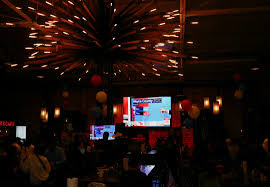
According to reports, the club “Japan” in the Roma Norte district of Mexico City began charging American visitors around $300 for entry, while visitors from other countries reportedly pay about $20 and Mexicans and Latin Americans pay even less.
What happened at the nightclub?
The nightclub introduced a tiered pricing policy that varies depending on nationality.
Reports say:
- Americans face the highest entry fee
- Other foreign visitors pay a significantly lower amount
- Mexican and Latin American visitors receive the cheapest prices
- Students and teachers reportedly receive additional discounts
The policy immediately attracted massive online attention after the club posted details on social media. The announcement reportedly gained tens of thousands of reactions and widespread discussion across Mexico.
Why did the club target Americans specifically?
The nightclub’s owner reportedly linked the pricing system to frustration over U.S. political rhetoric and broader tensions involving immigration, tourism, and economic inequality.
Reports indicate the policy was partly presented as a response to repeated criticism of Mexico by Trump over several years, especially surrounding immigration and border politics.
However, the issue goes beyond politics alone.
The nightclub owner also reportedly connected the move to anger over:
- Rising rents in Mexico City
- Gentrification in popular neighborhoods
- Increasing numbers of foreign digital nomads
- Economic pressure on local residents
- “Touristification” of central districts
Roma Norte, where the club is located, has become one of Mexico City’s most internationally popular neighborhoods, especially among remote workers and foreign tourists.
What is gentrification and why is it important here?
Gentrification refers to wealthier newcomers moving into an area, often causing property prices and living costs to rise.
In Mexico City, many residents have increasingly complained that large numbers of foreign remote workers, particularly Americans earning in dollars, are driving up:
- Apartment rents
- Restaurant prices
- Café costs
- Property values
- General living expenses
Critics argue local residents are being pushed out of neighborhoods they can no longer afford.
This debate intensified globally after the rise of remote work following the pandemic. Cities such as Barcelona, Lisbon, and Mexico City have all seen protests connected to tourism and housing affordability.
How did people react online?
The reaction was deeply divided.
Many Mexican social media users reportedly supported the nightclub’s decision, viewing it as symbolic resistance against economic displacement and political pressure from the United States.
Others criticized the policy as discriminatory and argued that nationality based pricing crosses ethical lines.
Some commentators also warned that targeting ordinary tourists for political reasons could deepen tensions rather than solve economic problems.
Is this legal?
The legal situation is somewhat unclear and may depend on local consumer protection and anti discrimination laws.
Businesses in some countries can apply differentiated pricing in certain situations, especially involving tourism or residency status. However, nationality based pricing can become controversial if authorities determine it constitutes discrimination.
As of now, the nightclub’s pricing system appears to function more as a political and social statement than a formal government policy.
Why is Donald Trump connected to this controversy?
Trump has long maintained a hardline stance on immigration and border security involving Mexico.
Throughout his political career, he has repeatedly:
- Criticized illegal immigration from Mexico
- Promoted border wall construction
- Supported stricter immigration enforcement
- Used strong rhetoric regarding cartel violence and border security
These positions generated significant anger in parts of Mexico over the years.
At the same time, broader U.S.–Mexico tensions have also been shaped by:
- Trade disputes
- Tariff threats
- Border security debates
- Visa policies
- Migration pressures
The nightclub controversy appears to reflect accumulated frustration rather than a reaction to one single statement.
Are anti tourist sentiments growing globally?
Yes. Similar tensions are appearing in many major cities worldwide.
Residents in heavily visited urban areas increasingly complain about:
- Housing shortages
- Rising rent prices
- Noise and overcrowding
- Airbnb expansion
- Loss of local identity
- Foreign investment pressure
Protests linked to tourism have appeared in parts of:
- Spain
- Portugal
- Italy
- Mexico
- Thailand
- Indonesia
Mexico City has become one of the latest global flashpoints in this wider debate.
Could this affect tourism between the U.S. and Mexico?
Probably not significantly in the short term, although the story has symbolic importance.
The United States and Mexico remain deeply connected economically and socially. Millions of Americans visit Mexico annually, while millions of Mexicans travel to the U.S. for tourism, business, family visits, and work.
However, broader tensions involving visas, border enforcement, and political rhetoric have increasingly shaped public perceptions on both sides.
Analysts say symbolic incidents like this nightclub controversy reflect deeper frustrations connected to inequality, globalization, migration, and national identity.
Why has the story attracted so much international attention?
The story combines several highly emotional global issues at once:
- U.S. politics
- Donald Trump
- Immigration
- National identity
- Tourism backlash
- Gentrification
- Housing affordability
- Digital nomads
- Economic inequality
Because these debates are happening across many countries simultaneously, the nightclub’s pricing policy quickly became international news.
For some observers, the story represents frustration with American economic influence abroad.
For others, it raises concerns about discrimination and growing hostility toward foreign visitors.
Either way, the incident has become another example of how politics, economics, and tourism are increasingly colliding in cities around the world.
Headline suggestions
Mexico City club charges Americans higher fees after Trump tensions
Why a Mexico nightclub is charging U.S. visitors dramatically more
Mexico City club sparks debate with higher prices for Americans
Trump era tensions resurface after Mexico nightclub targets Americans
Why anti tourist frustration is growing in Mexico City in 2026