Why is the Moon trending again after the viral 2026 night sky phenomenon?


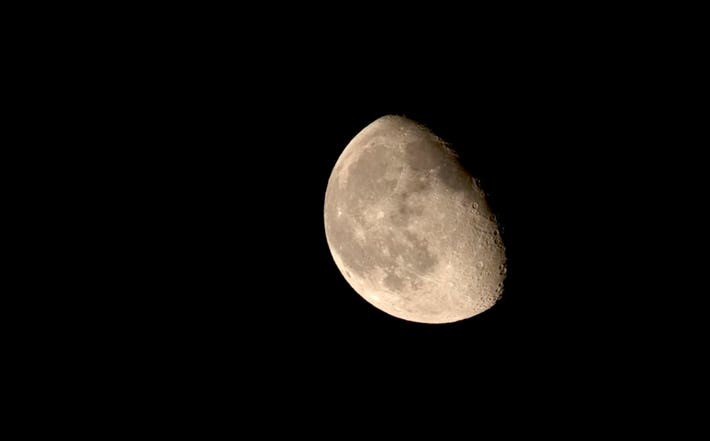
Searches related to the Moon, astronomy and night sky events surged worldwide during May 2026 after viral social media posts, striking lunar photography and growing public fascination with space combined to create one of the most unexpected global internet trends of the month.
Millions of users searched for terms connected to the Moon after unusual looking lunar images, bright night sky conditions and astronomy related discussions spread rapidly across platforms such as TikTok, Instagram and X. Videos showing glowing moons, dramatic cloud formations and highly zoomed lunar photography generated enormous engagement, pushing astronomy into mainstream online conversation.
RECOMMENDED STORIES
The viral attention also reflected a broader cultural fascination with space exploration, cosmic imagery and the emotional power of celestial events in the digital age. In a world dominated by fast moving political news and technology debates, many users found comfort, curiosity and wonder in astronomical content.
At the same time, growing interest in space missions, lunar exploration and artificial intelligence enhanced photography tools helped fuel renewed global fascination with the night sky.
Below is a detailed FAQ explainer examining why Moon related searches exploded worldwide during May 2026 and why astronomy is becoming one of the internet’s most emotionally powerful visual trends.
Why did Moon related searches suddenly explode worldwide?
Moon related searches surged because astronomy content became highly viral across social media platforms during early May 2026.
Users searched heavily for:
Moon tonight
Pink Moon
Lunar phenomenon
Night sky event
Moon photos
Astronomy apps
Lunar eclipse information
Many people encountered dramatic Moon videos online and wanted to understand what they were seeing.
The combination of visual beauty, mystery and internet virality created massive search momentum globally.
Was there an actual rare Moon event?
Some searches were connected to real astronomical conditions, while others were amplified by social media exaggeration and visual editing.
In many cases, ordinary lunar phases appeared more dramatic because:
Smartphone cameras improved significantly
AI image enhancement tools boosted detail
Social media filters intensified colors
Viral editing styles made the Moon appear larger or brighter
Even without a historically rare astronomical event, the internet transformed ordinary night sky imagery into viral spectacle.
Why are Moon photos so popular online?
Moon photography became extremely popular because it combines beauty, mystery and emotional atmosphere.
The Moon is visually recognizable across cultures and often evokes feelings involving:
Wonder
Romance
Isolation
Calmness
Spiritual reflection
Modern smartphone cameras and affordable telescopic accessories also made lunar photography more accessible to ordinary users.
Social media algorithms strongly reward visually striking images, helping Moon content spread rapidly online.
How did TikTok help fuel the astronomy trend?
TikTok played a major role because short form video platforms amplify visually emotional content very effectively.
Popular astronomy videos often included:
Moon zoom effects
Night sky timelapses
Cloud movement
Planet visibility guides
Space facts
Calming music
Many videos created emotional reactions rather than purely scientific explanations.
The calming and cinematic quality of astronomy content helped audiences engage deeply with it.
Why are younger people becoming interested in astronomy again?
Younger generations increasingly engage with astronomy because space content became more visually accessible and culturally relevant online.
Several factors contributed:
Social media aesthetics
Space exploration news
Science creators on YouTube and TikTok
Improved smartphone photography
Growing interest in existential topics
Many younger users also see astronomy as an escape from stressful digital and political environments.
The universe offers a sense of scale and perspective that resonates emotionally in modern culture.
How does social media change public interest in science?
Social media transformed science communication by making information more visual, emotional and shareable.
Traditional scientific education often focused on formal explanations.
Modern online science content emphasizes:
Visual excitement
Emotional storytelling
Easy accessibility
Short engaging videos
This helps astronomy and space content reach much wider audiences than in previous generations.
However, viral science content can also spread misinformation or exaggerated claims.
Why does the Moon fascinate humans so deeply?
The Moon has fascinated humans for thousands of years because it is both familiar and mysterious.
Across cultures, the Moon became connected to:
Mythology
Religion
Poetry
Romance
Navigation
Timekeeping
Art
Unlike distant stars, the Moon feels emotionally close and visually accessible.
Its changing phases and strong visual presence continue inspiring curiosity and imagination globally.
How important is smartphone technology to this trend?
Modern smartphones dramatically changed astronomy culture.
Today’s phones can capture highly detailed night sky images using:
AI image processing
Night mode photography
Zoom enhancement
Computational photography
This allowed ordinary users to create dramatic Moon images without professional equipment.
As more people share these images online, astronomy becomes increasingly mainstream and visually driven.
Why are astronomy videos emotionally calming?
Many users describe astronomy content as relaxing because it contrasts sharply with fast paced internet culture.
Moon videos and night sky imagery often feature:
Slow movement
Quiet soundtracks
Large open spaces
Natural beauty
Cosmic perspective
These elements create emotional calm and psychological escape.
In highly stressful digital environments, astronomy content functions almost like visual meditation for many users.
How is AI affecting astronomy photography?
Artificial intelligence now enhances many astronomy related images and videos.
AI tools can improve:
Image sharpness
Noise reduction
Brightness
Color detail
Video stabilization
This creates more visually impressive content but also raises concerns about authenticity.
Some viral Moon images may appear far more dramatic than what the human eye actually sees.
The line between real photography and digitally enhanced imagery became increasingly blurred.
Why are space related topics trending more generally in 2026?
Interest in space exploration expanded because of:
Moon mission plans
Private space companies
Mars discussions
Satellite technology
Astronomy influencers
AI powered space imaging
The public increasingly sees space exploration as both scientific and inspirational.
Modern space culture combines science, entertainment and futuristic imagination.
What role does nostalgia play in astronomy fascination?
Astronomy often creates nostalgic emotional reactions because it connects people with childhood curiosity and wonder.
Looking at the night sky reminds many people of:
Discovery
Imagination
Science fiction dreams
Human exploration
In an era dominated by algorithms and digital overload, astronomy offers something that feels timeless and emotionally universal.
Why do Moon conspiracy theories spread so easily online?
Moon related conspiracy theories continue spreading because mysterious or visually unusual content performs strongly on social media.
Some users interpret edited or misunderstood astronomical images as evidence of:
UFO activity
Hidden space programs
Artificial structures
Government secrecy
Algorithms often amplify emotionally dramatic content regardless of accuracy.
This creates challenges for scientific communication online.
How important is space exploration to public imagination?
Space exploration remains one of humanity’s most emotionally powerful scientific ambitions.
Moon missions symbolize:
Human progress
Curiosity
Innovation
Discovery
Future possibility
Public fascination with the Moon often increases whenever governments or private companies discuss new lunar missions.
The Moon feels simultaneously ancient and futuristic.
Why are astronomy apps becoming more popular?
Astronomy apps became highly searched because people increasingly want interactive ways to explore the night sky.
Popular app features include:
Planet tracking
Moon phase calendars
Star identification
Satellite maps
Meteor shower alerts
These tools make astronomy more accessible to beginners and casual users.
The gamification of astronomy also increased engagement among younger audiences.
How does astronomy connect with mental wellbeing?
Many people report that observing the night sky creates feelings of calm and perspective.
Astronomy can reduce stress by reminding people of the vastness of the universe beyond everyday problems.
This psychological effect became especially important during periods of social anxiety and digital exhaustion.
Night sky observation is increasingly associated with mindfulness and emotional reflection.
Why are lunar aesthetics trending in fashion and design too?
Moon imagery became popular across broader visual culture including:
Fashion
Interior design
Jewelry
Digital art
Photography
Tattoo culture
Lunar aesthetics often symbolize mystery, femininity, transformation and spirituality.
Social media intensified this by promoting dreamy, cinematic and celestial visual styles.
Could renewed interest in astronomy benefit science education?
Many educators believe viral astronomy trends can encourage broader public interest in science.
When people search for Moon phenomena or astronomy videos, they often become exposed to:
Physics
Planetary science
Space exploration
Scientific curiosity
Social media science creators increasingly use viral content to attract audiences toward educational topics.
How does the internet change collective experiences of natural events?
The internet transformed how humans experience natural phenomena.
In the past, people mostly observed the sky locally.
Today, millions can share reactions, images and discussions globally within minutes.
This creates collective digital experiences around events like:
Lunar eclipses
Meteor showers
Planet alignments
Auroras
Moon phases
Astronomy became socially interactive in new ways.
Why do celestial events still feel magical despite modern science?
Even with scientific understanding, celestial events continue evoking emotional wonder because they connect humans to something larger than themselves.
The Moon remains visually powerful because it combines scientific reality with emotional symbolism.
Modern technology may explain astronomy better than ever, but it also allows more people to experience and share cosmic beauty instantly.
Could astronomy become an even bigger online trend?
Very likely.
Several factors support growing astronomy popularity:
Improved smartphone cameras
AI enhanced imaging
Space tourism discussions
Moon mission plans
Science influencers
Viral visual content
Astronomy combines beauty, mystery and science in ways highly compatible with internet culture.
How are brands using astronomy aesthetics?
Brands increasingly use celestial imagery in:
Fashion campaigns
Beauty products
Luxury marketing
Music videos
Lifestyle branding
Moon aesthetics communicate elegance, mystery and emotional depth.
This helped astronomy related visuals become embedded in mainstream digital culture beyond science itself.
Why do people search for the Moon during stressful periods?
During periods of uncertainty or emotional exhaustion, many people seek experiences that feel calming, timeless and universal.
The Moon provides emotional escape from:
Political tension
Economic stress
Digital overload
Daily anxiety
Night sky observation often creates feelings of peace and reflection.
This emotional dimension helps explain why astronomy trends become especially powerful online.
What does this trend say about modern internet culture?
The explosion of Moon related searches shows that internet audiences still crave wonder and emotional connection despite constant exposure to fast moving digital information.
Not all viral content depends on controversy or outrage.
Sometimes beauty, mystery and shared curiosity become powerful enough to dominate global attention.
Astronomy trends reveal how deeply humans remain emotionally connected to the natural universe even within highly technological societies.
Final thoughts
The global surge in Moon and astronomy searches during May 2026 demonstrated the extraordinary power of visual wonder in the modern internet era. Fueled by social media, smartphone photography and growing fascination with space exploration, the Moon once again became one of humanity’s most emotionally captivating symbols online.
From calming lunar videos to viral night sky photography and renewed interest in astronomy apps, millions of users turned their attention upward in search of beauty, mystery and perspective.
In an increasingly stressful and hyperconnected digital world, the popularity of Moon related content suggests that people still deeply crave moments of awe and cosmic reflection.
As technology continues making astronomy more accessible and visually immersive, humanity’s ancient fascination with the night sky appears stronger than ever.
By Faig Mahmudov


Similar news