Why did Sweden arrest two suspects over alleged Russia sanctions breaches?


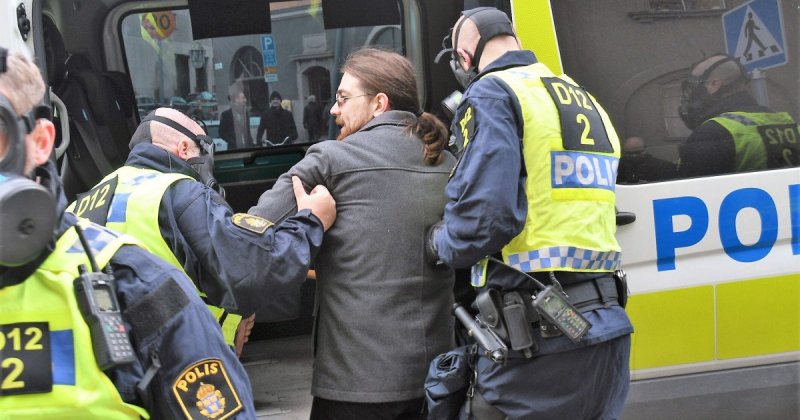
Swedish authorities have arrested two individuals suspected of violating international sanctions linked to Russia, marking another high profile enforcement action tied to Western restrictions imposed after the war in Ukraine.
Prosecutors allege the suspects were involved in activities that may have helped circumvent export controls and trade restrictions targeting Russia.
RECOMMENDED STORIES
The case is being handled by Sweden’s economic crime and security authorities, which have increasingly focused on possible sanctions evasion networks operating across Europe. Officials believe the investigation may involve the transfer of restricted goods, technology, or financial services that could ultimately benefit Russian entities despite existing bans.
The arrests reflect growing pressure on European governments to demonstrate stricter enforcement of sanctions introduced by the European Union and allied countries since 2022.
Why are sanctions against Russia such a major issue for European countries?
Since the start of the war in Ukraine, Western governments have imposed extensive sanctions on Russia in an attempt to weaken its military and economic capabilities. These measures target banks, energy exports, technology imports, dual use goods, shipping activities, and individuals connected to the Russian state.
European countries view sanctions enforcement as a critical part of their broader security and foreign policy strategy. Authorities fear that loopholes, shell companies, and indirect trade routes could undermine the effectiveness of the restrictions.
As a result, governments across Europe have intensified investigations into companies and individuals suspected of helping Russia obtain restricted goods or evade financial controls.
What kinds of activities could violate Russia related sanctions?
Sanctions violations can involve a wide range of activities, including:
• Exporting restricted technology or industrial equipment to Russia
• Transferring goods through third countries to hide the final destination
• Providing financial services to sanctioned entities
• Assisting with prohibited shipping or logistics operations
• Falsifying customs declarations or ownership structures
• Facilitating payments that bypass international restrictions
Authorities are particularly concerned about dual use goods, which are civilian products that can also have military applications.
In many recent investigations across Europe, prosecutors have focused on electronics, microchips, industrial machinery, telecommunications equipment, and advanced manufacturing technologies.
Why is Sweden paying closer attention to sanctions enforcement now?
Sweden, like many European Union members, has significantly strengthened national security measures in recent years. The country has become increasingly focused on foreign influence operations, cyber threats, economic espionage, and sanctions compliance following heightened geopolitical tensions in Europe.
Swedish authorities have warned that Russia related sanctions evasion networks may attempt to exploit European trade systems, financial institutions, and transit routes. Investigators are therefore working more closely with customs agencies, intelligence services, banks, and international partners.
The latest arrests suggest Sweden is taking a more aggressive approach toward investigating complex international business activities suspected of bypassing sanctions.
Could the investigation involve international networks?
Yes. Sanctions evasion cases often involve cross border operations spanning multiple countries. Investigators frequently examine whether companies used intermediaries, foreign subsidiaries, or third country shipping routes to avoid detection.
European authorities have repeatedly warned that some networks operate through states not directly participating in Western sanctions regimes. Goods may be rerouted through several jurisdictions before reaching Russia.
As a result, investigations often require cooperation between customs agencies, financial regulators, prosecutors, and intelligence services from different countries.
What penalties could the suspects face if convicted?
Potential penalties depend on the nature and scale of the alleged violations. In serious cases involving sanctions breaches, suspects can face:
• Prison sentences
• Large financial penalties
• Corporate sanctions
• Asset seizures
• Trade restrictions
• Business license suspensions
European governments have been moving toward tougher punishment frameworks as sanctions enforcement becomes more politically and strategically important.
How have European authorities increased sanctions enforcement overall?
Since 2022, European governments and institutions have expanded efforts to identify sanctions circumvention. Measures have included:
• Stricter customs inspections
• Increased monitoring of financial transactions
• Expanded export control regulations
• Enhanced intelligence sharing among allies
• New legal powers targeting sanctions evasion
• Greater scrutiny of high risk industries and intermediaries
The European Union has also introduced additional sanctions packages aimed specifically at closing loopholes used to bypass earlier restrictions.
Why are technology exports a particular concern?
Western governments believe advanced technology plays a crucial role in Russia’s industrial and military capabilities. Authorities are especially concerned about microelectronics, aviation parts, navigation systems, telecommunications equipment, and precision manufacturing tools.
Officials argue that restricting access to such products can reduce Russia’s ability to replenish military equipment and sustain certain industrial sectors.
Because many technologies have both civilian and military applications, regulators have imposed tighter controls on exports that could potentially support defense production.
Have other European countries made similar arrests recently?
Yes. Multiple European countries have launched investigations into alleged sanctions violations over the past two years. Authorities in Germany, the Netherlands, the Baltic states, and other countries have examined suspected export control breaches, illicit shipping activities, and financial circumvention schemes.
Several cases have involved accusations that businesses attempted to disguise the true destination of goods bound for Russia.
The broader trend reflects increasing concern among Western governments that sanctions enforcement must become more coordinated and aggressive to remain effective.
Could this case affect Sweden’s relations with Russia?
Relations between Sweden and Russia have already deteriorated significantly in recent years due to broader geopolitical tensions and the war in Ukraine. Sweden’s NATO membership process and expanded security cooperation with Western allies have further strained ties.
While individual criminal investigations are unlikely to dramatically alter diplomatic relations on their own, cases involving sanctions enforcement contribute to the wider atmosphere of confrontation between Russia and Western countries.
What happens next in the investigation?
Swedish prosecutors are expected to continue examining financial records, trade documents, communications, and possible international links connected to the suspects.
Authorities may also coordinate with foreign governments and European Union institutions if the investigation uncovers cross border elements.
Depending on the evidence collected, prosecutors could eventually file formal charges, expand the investigation to additional individuals or companies, or pursue broader sanctions related enforcement actions.
By Faig Mahmudov


Similar news