Why did the UAE deny Netanyahu’s alleged secret visit?


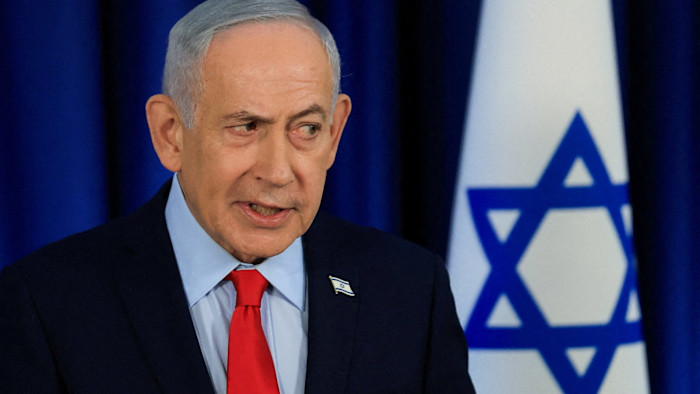
The United Arab Emirates has firmly rejected reports claiming that Israeli Prime Minister Benjamin Netanyahu secretly visited the country during the recent period of heightened tensions involving the United States, Israel and Iran.
The controversy has triggered widespread international debate because it touches on some of the Middle East’s most sensitive geopolitical issues, including regional security cooperation, relations with Iran, the future of the Abraham Accords and the growing complexity of alliances across the Gulf region.
RECOMMENDED STORIES
The reports first emerged in Israeli media, where claims suggested Netanyahu held a confidential meeting with UAE President Sheikh Mohamed bin Zayed Al Nahyan during the recent regional escalation. Israeli sources reportedly described the alleged visit as diplomatically significant and connected to ongoing discussions about regional security, Iran and broader Middle Eastern stability.
However, the UAE swiftly and publicly denied that any such secret visit took place. Emirati officials insisted that the country’s relations with Israel are conducted transparently under the framework of official diplomatic normalization and not through covert wartime meetings.
The incident immediately became a major regional talking point because even the suggestion of secret coordination between Israel and Gulf Arab states during tensions involving Iran carries enormous political and strategic implications.
This FAQ explainer examines why the controversy matters, what it reveals about regional politics and how it could affect the future of Middle Eastern diplomacy.
What exactly were the allegations about Netanyahu’s visit?
Reports circulating in Israeli media claimed that Prime Minister Benjamin Netanyahu traveled secretly to the UAE during the recent conflict period linked to escalating tensions with Iran.
According to the reports, Netanyahu allegedly met UAE President Sheikh Mohamed bin Zayed Al Nahyan in discussions focused on regional security, Iran related developments and possible diplomatic coordination involving the United States and Gulf states.
Some reports described the alleged meeting as highly sensitive and suggested it represented a major diplomatic achievement for Israel during a difficult period of regional instability.
The claims gained immediate attention because the Middle East was already experiencing heightened military tensions and growing fears of wider confrontation involving Iran, Israel and the United States.
However, despite the Israeli reports, the UAE publicly denied that any such meeting or visit occurred.
How did the UAE respond?
The UAE Foreign Ministry strongly rejected the reports and described them as false. Emirati officials stated that no secret meeting involving Netanyahu took place in the country during the recent tensions.
Officials emphasized that the UAE’s diplomatic relations with Israel are transparent and conducted openly under internationally recognized agreements.
The UAE also appeared eager to distance itself from suggestions that it was involved in covert wartime coordination or secret regional military diplomacy.
The speed and clarity of the UAE’s denial reflected how politically sensitive the issue had become across the region.
Why is this controversy so important?
The issue matters because it emerged during one of the most sensitive geopolitical moments in the Middle East in recent years.
Relations between Israel and Iran remain extremely hostile, while the United States continues to play a major strategic role across the Gulf region. Any suggestion that Gulf Arab states are secretly coordinating with Israel during tensions involving Iran immediately attracts attention from governments, intelligence agencies and global markets.
The controversy also matters because it highlights the complicated balancing act Gulf states now face.
Countries like the UAE maintain relations with:
- The United States
- Israel
- Iran
- China
- Russia
- European countries
Managing all of these relationships simultaneously requires extremely careful diplomacy.
A public perception that the UAE is secretly assisting Israel during tensions with Iran could potentially damage the UAE’s broader regional relationships and expose it to security risks.
Why would the UAE deny the visit if relations with Israel already exist openly?
This is one of the biggest questions surrounding the controversy.
The UAE and Israel officially normalized relations in 2020 through the Abraham Accords. Since then, the two countries have openly expanded cooperation in areas including:
- Trade
- Technology
- Tourism
- Investment
- Energy
- Intelligence sharing
- Security cooperation
Because relations are already official, some observers questioned why the UAE would deny the alleged visit so strongly.
Experts believe there are several possible explanations.
Regional security concerns
Although relations with Israel are normalized, the Middle East remains politically volatile. Publicly appearing too closely aligned with Israel during a confrontation involving Iran could increase security risks for Gulf countries.
Iran has repeatedly warned regional governments against cooperating with Israel on military matters.
The UAE therefore may want to avoid any perception that it is participating in anti Iran operations or secret wartime planning.
Economic stability
The UAE’s economy depends heavily on:
- International investment
- Tourism
- Aviation
- Financial markets
- Global trade
Regional instability threatens investor confidence and economic activity. The UAE has spent years building an image as a stable global business center.
Any suggestion that the country is deeply involved in regional military tensions could create uncertainty among investors and international companies.
Diplomatic balancing
The UAE has increasingly positioned itself as a country that maintains dialogue with multiple global powers simultaneously.
While Abu Dhabi cooperates closely with Washington and Israel, it also maintains communication channels with Tehran, Moscow and Beijing.
The UAE’s diplomatic strategy often focuses on reducing tensions rather than openly taking sides in regional confrontations.
Domestic and regional public opinion
Although official relations with Israel exist, public opinion across parts of the Arab world remains sensitive regarding Israeli regional policies and military actions.
The UAE therefore must carefully manage how its relationship with Israel is publicly perceived during times of crisis.
What are the Abraham Accords and why do they matter here?
The Abraham Accords were signed in 2020 and marked a historic shift in Middle Eastern diplomacy.
Under the agreements, the UAE and several other Arab countries normalized relations with Israel.
The accords led to:
- Direct diplomatic relations
- Commercial agreements
- Tourism cooperation
- Security coordination
- Investment partnerships
The agreements were strongly supported by the United States and viewed as one of the most important geopolitical developments in the Middle East in decades.
Since normalization, UAE Israel trade has expanded significantly. Israeli tourists have traveled to the Gulf, while Emirati and Israeli companies have launched joint ventures across multiple sectors.
However, despite normalization, the relationship still exists within a highly sensitive regional environment shaped by tensions involving Iran and the broader Arab Israeli conflict.
The controversy surrounding Netanyahu’s alleged visit demonstrates that normalization does not eliminate geopolitical sensitivities.
How does Iran view relations between Israel and Gulf states?
Iran views growing ties between Israel and Gulf Arab countries with significant suspicion.
Tehran has repeatedly accused Israel of attempting to establish a larger regional security network aimed at containing Iranian influence.
Iranian officials have also warned neighboring countries against allowing Israeli military or intelligence activity near Iranian territory.
For Iran, closer Israel Gulf relations potentially represent:
- A strategic security threat
- Expanded intelligence cooperation
- Missile defense coordination
- Increased US regional influence
- Potential military encirclement
As a result, reports suggesting secret meetings between Israeli and Gulf leaders during regional tensions naturally provoke strong Iranian reactions.
The UAE likely understands this sensitivity and therefore may have wanted to avoid further escalation by publicly denying the reports.
How have Gulf states handled relations with Iran in recent years?
Gulf countries have increasingly tried to reduce tensions with Iran despite longstanding disagreements.
Several Gulf governments have pursued:
- Diplomatic dialogue
- Economic engagement
- Regional de escalation efforts
The UAE itself has periodically improved communication with Tehran even while maintaining close ties with Washington and Israel.
This balancing strategy reflects a broader Gulf trend focused on:
- Avoiding direct military conflict
- Protecting economic interests
- Preserving regional stability
Many Gulf states believe prolonged regional confrontation threatens their long term economic and political goals.
Could the alleged visit have involved security discussions?
Analysts believe that if any such meeting occurred, security concerns would almost certainly have been central topics.
Possible issues may have included:
- Iranian missile threats
- Regional air defense coordination
- Maritime security
- Intelligence sharing
- US military strategy
- Protection of Gulf infrastructure
Recent years have seen increasing discussions about integrated regional air defense systems involving the United States, Israel and Gulf partners.
These conversations intensified following missile and drone attacks targeting regional energy infrastructure.
However, official details remain unclear because the UAE denies the reports entirely.
How important is the UAE to regional diplomacy?
The UAE has emerged as one of the Middle East’s most influential diplomatic actors.
Over the past decade, Abu Dhabi has expanded its role in:
- Regional mediation
- Global investment
- Energy diplomacy
- International trade
- Security partnerships
The country maintains close relations with Western governments while also building economic ties with China, India and Russia.
The UAE increasingly presents itself as:
- A regional stability hub
- A mediator
- A global business center
- A diplomatic bridge between competing powers
This strategic positioning explains why the UAE carefully manages politically sensitive regional narratives.
Why is Netanyahu’s name especially controversial in the region?
Benjamin Netanyahu remains one of the most polarizing political figures in Middle Eastern politics.
Supporters view him as a strong leader focused on Israeli security and regional deterrence.
Critics argue his policies have increased regional tensions and deepened divisions across the Middle East.
Because of his high profile status, any reports involving Netanyahu and secret diplomacy automatically attract major international attention.
His involvement in regional security discussions involving Gulf states and Iran therefore carries significant political weight.
Could the controversy affect the Abraham Accords?
Most analysts believe the controversy itself is unlikely to seriously damage the Abraham Accords.
The UAE and Israel continue to share strong mutual interests in:
- Trade
- Technology
- Investment
- Security cooperation
Both sides have invested heavily in the relationship since normalization.
However, the incident may encourage:
- More cautious public messaging
- Greater diplomatic discretion
- Reduced publicity around security cooperation
The controversy also highlights the continuing political sensitivities surrounding normalization across the wider Middle East.
How do Gulf states balance relations between the US, Israel and Iran?
This has become one of the defining strategic challenges facing Gulf governments.
The United States remains the primary security partner for many Gulf countries.
At the same time:
- Israel has become an increasingly important technological and security partner.
- Iran remains a major regional power and geographic neighbor.
- China has emerged as a critical economic partner.
Gulf states therefore try to avoid becoming trapped within direct confrontation between larger powers.
This balancing strategy explains why governments in the region often avoid public alignment with aggressive rhetoric or military escalation.
Could this controversy affect oil markets?
Middle Eastern tensions always influence global energy markets because the region remains central to world oil exports.
Any signs of:
- Military escalation
- Regional instability
- Threats to Gulf infrastructure
- Maritime security concerns
can affect oil prices and investor sentiment.
The UAE therefore has strong incentives to project stability and reduce perceptions of regional crisis.
Publicly denying reports connected to secret wartime diplomacy may partly reflect these economic priorities.
How have Arab Israeli relations changed in recent years?
The Middle East has experienced major diplomatic changes over the past decade.
Several Arab countries have shifted from quiet unofficial contact with Israel toward open diplomatic normalization.
This transformation has been driven by:
- Shared security concerns
- Economic opportunities
- Technological cooperation
- US diplomatic efforts
- Changing regional priorities
However, despite these changes, normalization remains politically sensitive because regional conflicts and broader historical tensions continue to influence public opinion.
The Netanyahu UAE controversy demonstrates that even normalized relationships still operate within a fragile regional environment.
Could there actually have been unofficial communication?
Some analysts believe it is possible that unofficial or indirect communication occurred even if no formal secret visit took place.
Regional diplomacy often involves:
- Intelligence channels
- Security intermediaries
- Back channel discussions
- Quiet diplomatic coordination
Governments sometimes publicly deny meetings or contacts for political reasons even when communication exists through unofficial channels.
However, without confirmed evidence, the exact nature of any communication remains uncertain.
What does this controversy reveal about the modern Middle East?
The incident highlights several major realities shaping today’s Middle East.
Regional alliances are becoming more flexible
Countries increasingly cooperate based on strategic interests rather than traditional ideological divisions.
Economic priorities matter more than before
Governments now place enormous emphasis on investment, trade and stability.
Security concerns remain central
Iran, missile threats and regional conflicts continue to shape diplomatic calculations.
Public diplomacy and private diplomacy are different
Governments often manage public narratives carefully while maintaining broader strategic relationships behind the scenes.
Global powers remain deeply involved
The United States, China and Russia all continue competing for influence across the region.
Could future UAE Israel relations become more discreet?
The controversy may encourage quieter diplomacy between the two countries during periods of regional tension.
While economic cooperation will likely continue openly, highly sensitive security discussions may receive less public attention.
This approach would allow both countries to preserve strategic cooperation while reducing political controversy.
What role does the United States play in all this?
The United States remains the key external security actor in the Middle East.
Washington strongly supported the Abraham Accords and continues encouraging regional cooperation between Israel and Arab states.
The US also maintains:
- Military bases across the Gulf
- Security partnerships
- Naval operations
- Intelligence cooperation
At the same time, Washington continues trying to manage tensions involving Iran.
The controversy surrounding Netanyahu’s alleged visit therefore also reflects broader US regional strategy.
Could the controversy escalate tensions further?
At the moment, the dispute appears primarily diplomatic rather than military.
However, in the Middle East, political narratives can quickly influence:
- Security calculations
- Public opinion
- Diplomatic relations
- Media coverage
As a result, governments often respond rapidly to sensitive reports in order to prevent misunderstandings or escalation.
The UAE’s strong denial likely reflects a desire to avoid unnecessary regional complications during an already tense period.
What happens next?
The controversy will likely continue generating debate among:
- Regional analysts
- Diplomats
- Security experts
- International media
Questions surrounding:
- Israel Gulf cooperation
- Iran regional strategy
- Future normalization
- US Middle East policy
are expected to remain central topics in regional politics.
For now, the UAE appears focused on emphasizing:
- Transparency
- Stability
- Balanced diplomacy
- Economic security
- Regional de escalation
At the same time, the incident demonstrates how rapidly Middle Eastern geopolitics can evolve and how even unconfirmed reports can trigger major international reactions.
The broader reality is that the Middle East is entering a new diplomatic era where former rivals increasingly cooperate, but where old tensions and strategic rivalries still heavily shape regional politics.
The controversy over Netanyahu’s alleged secret UAE visit reflects this complicated transformation. Gulf states now navigate a landscape where economic modernization, security partnerships, regional competition and global power politics intersect simultaneously.
As tensions involving Iran, Israel and the United States continue evolving, governments across the region are expected to remain cautious, pragmatic and highly sensitive to public perceptions surrounding diplomacy and security cooperation.
By Faig Mahmudov


Similar news