Why has China issued blue alerts for rainstorms and severe weather?


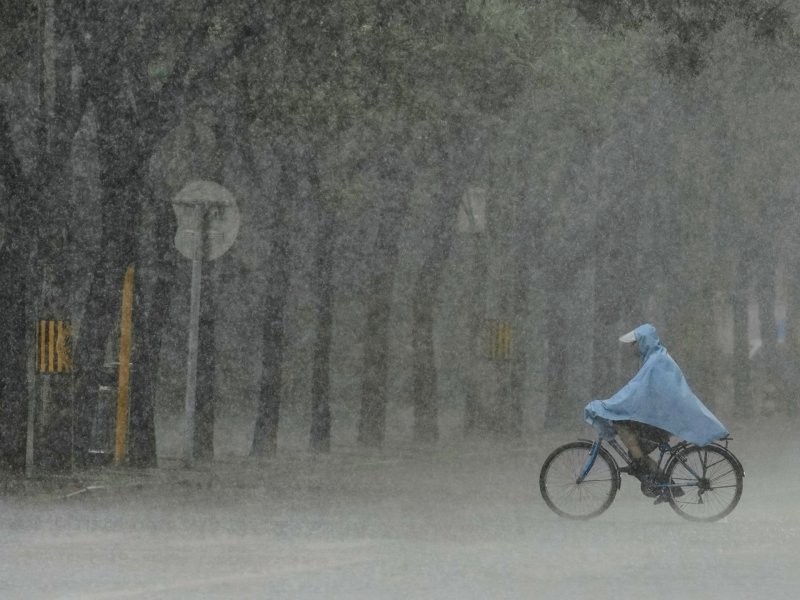
China has renewed blue alerts for rainstorms and severe convective weather as authorities warn that large parts of the country could experience heavy rainfall, thunderstorms, hail, and powerful wind gusts over the coming days.
According to the National Meteorological Center, intense weather systems are expected to affect northwestern, southwestern, and southern parts of China from Friday afternoon through Saturday afternoon.
RECOMMENDED STORIES
Meteorologists warned that some regions could experience torrential rain reaching up to 180 millimeters, increasing risks of flooding, landslides, waterlogging, and transport disruptions.
Authorities also warned about strong thunderstorms capable of producing hail and damaging winds.
The alerts come during China’s annual flood season, when heavy summer rainfall frequently causes severe weather emergencies across multiple provinces.
What areas are expected to be affected?
The severe weather is expected to impact a wide range of regions across China.
According to forecasts, heavy rain and downpours are expected in parts of:
-
Inner Mongolia
-
Gansu
-
Ningxia
-
Shaanxi
-
Sichuan
-
Southern coastal provinces including Guangdong and Guangxi
Meteorologists said northeastern parts of the Sichuan basin and coastal Guangdong could experience the most intense rainfall.
The weather system also threatens parts of northern China with thunderstorms, hail, and strong winds.
What does a blue weather alert mean in China?
China operates a four tier weather warning system.
Blue alerts represent the lowest level, followed by yellow, orange, and red alerts.
Even though blue is the lowest level, it still indicates potentially dangerous weather conditions that may cause flooding, transport disruption, agricultural damage, and public safety risks.
Authorities often issue blue alerts early to allow local governments and emergency services time to prepare before conditions worsen.
If the weather intensifies, warning levels can later be upgraded.
How severe could the rainfall become?
Some areas are forecast to receive up to 180 millimeters of rain within a relatively short period.
Rainfall of that intensity can quickly overwhelm drainage systems and trigger flash floods, especially in urban areas and mountainous terrain.
Heavy rain in regions such as Sichuan and Guangdong is particularly concerning because these areas are vulnerable to flooding and landslides during the rainy season.
In major cities, intense rainfall can also disrupt transportation systems, damage infrastructure, and create dangerous road conditions.
What are convective weather systems?
Convective weather refers to atmospheric instability that produces thunderstorms and rapidly developing severe weather events.
These systems often generate intense rainfall, lightning, hail, tornadoes, and strong winds.
Convective storms form when warm, moist air rises rapidly into cooler layers of the atmosphere.
China frequently experiences severe convective weather during late spring and summer as hot humid air masses interact with colder systems.
Such weather can develop suddenly and become highly destructive.
How strong are the expected winds?
Meteorologists warned that wind gusts could reach level 11 in some areas.
In China’s wind scale system, level 11 winds are considered extremely strong and capable of causing structural damage, uprooting trees, and disrupting transportation.
The strongest winds are expected in parts of:
-
Inner Mongolia
-
Hebei
-
Guangxi
-
Guangdong
Strong wind gusts combined with thunderstorms increase risks for outdoor activities, construction sites, power infrastructure, and transport operations.
Why are authorities worried about flash floods?
Flash floods can occur very quickly when intense rainfall overwhelms rivers, streams, or urban drainage systems.
Mountainous regions and densely populated cities are especially vulnerable.
In southwestern China, steep terrain increases the danger of sudden flooding and landslides.
Urban flooding is also a major concern because rapid development and large populations can leave drainage infrastructure under pressure during extreme rainfall events.
China has experienced multiple deadly flash flood disasters in recent years, particularly during the summer rainy season.
Authorities therefore often issue early warnings urging local governments to prepare evacuation plans and emergency responses.
Could schools and transportation be affected?
Yes.
The National Meteorological Center advised local authorities to take precautions to ensure student safety and monitor conditions around schools.
Heavy rainfall and flooding can disrupt school operations, public transport, highways, and rail networks.
Drivers were also warned about waterlogged roads and dangerous driving conditions.
Strong thunderstorms and hail can additionally affect airports and air traffic operations.
Authorities may temporarily suspend certain outdoor activities if conditions worsen.
Why does China experience severe summer flooding so often?
China’s geography and climate make many regions vulnerable to seasonal flooding.
During the summer monsoon season, warm humid air from oceans collides with continental weather systems, producing heavy rainfall across large parts of the country.
Southern and southwestern regions are especially prone to intense rainstorms.
Climate change is also believed to be increasing the frequency and severity of extreme weather events in China and globally.
Scientists say warmer temperatures allow the atmosphere to hold more moisture, contributing to heavier rainfall events.
Rapid urbanization can further worsen flood risks because paved surfaces reduce natural water absorption.
Has China faced major flood disasters before?
Yes.
China frequently experiences severe floods during the rainy season.
In recent years, major flooding events have caused deaths, mass evacuations, infrastructure damage, and major economic losses.
Cities including Zhengzhou, Beijing, Guangzhou, and others have experienced destructive urban flooding linked to extreme rainfall.
In mountainous regions, landslides and flash floods often pose additional dangers.
The government has invested heavily in flood control infrastructure, drainage systems, dams, and early warning systems, but extreme weather events continue challenging emergency response capabilities.
What precautions are authorities taking?
The National Meteorological Center urged local governments to prepare drainage systems and monitor flood risks.
Authorities were also advised to:
-
Strengthen emergency response readiness
-
Monitor rivers and reservoirs
-
Warn drivers about waterlogged roads
-
Protect schools and students
-
Prepare for possible flash floods and landslides
-
Monitor severe thunderstorm activity
Emergency teams may also be placed on standby in vulnerable regions.
Could the weather situation worsen further?
Meteorological conditions can change rapidly during severe convective weather events.
Authorities may upgrade warnings if rainfall or storm intensity increases beyond current forecasts.
Additional flooding risks could emerge if heavy rainfall persists over already saturated areas.
Weather agencies are expected to continue issuing updated forecasts and alerts as the system moves across different regions.
Residents in affected areas are being urged to follow official weather advisories and avoid unnecessary travel during severe storms.
What happens next?
China’s meteorological agencies will continue monitoring rainfall patterns, storm development, and flood risks over the coming days.
Local governments are expected to maintain emergency preparedness measures while assessing conditions in vulnerable regions.
If rainfall intensifies or flooding develops, authorities may implement evacuations, traffic restrictions, or emergency rescue operations in high risk areas.
For now, officials are emphasizing caution as severe weather systems move across large sections of the country during one of the most active periods of China’s annual flood season.
By Faig Mahmudov


Similar news