Why is Kazakhstan diverting Kashagan oil to China?


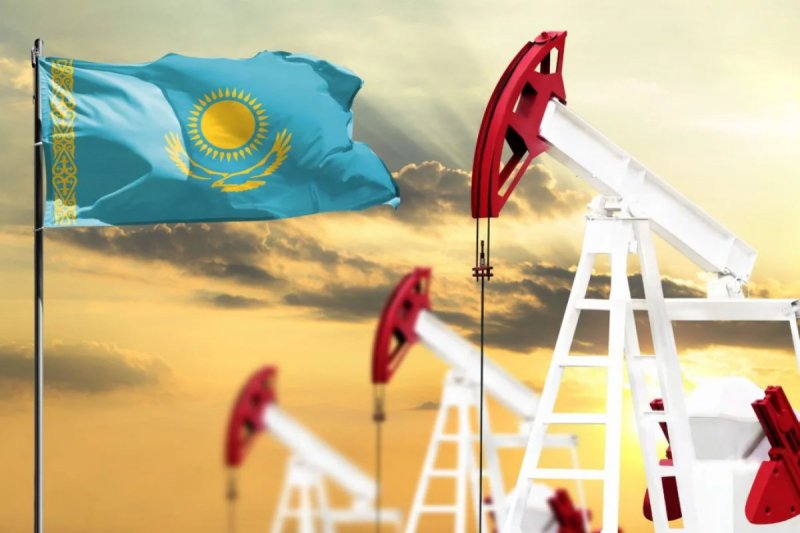
Kazakhstan has begun diverting part of its oil from the giant Kashagan field to China following a drone attack that disrupted operations at the Caspian Pipeline Consortium (CPC) terminal in Russia, News.Az reports.
The incident has created one of the most significant supply-chain challenges for Kazakhstan’s energy sector in recent years, prompting Astana to activate alternative export routes, reassess its regional energy security strategy, and accelerate diversification efforts. The following FAQ explains the background, implications, and future outlook of this development.
What exactly happened and why did it impact Kazakhstan’s exports?
A maritime drone strike — attributed by Russia to Ukraine — hit one of CPC’s offshore mooring points at the Novorossiysk marine terminal. This terminal is the key export hub for Kazakh oil shipped through the CPC pipeline, which transports crude from the Tengiz, Kashagan and Karachaganak fields to global markets via the Black Sea.
The damaged mooring point reduced the terminal’s loading capacity at a time when another mooring was already under planned maintenance, creating a bottleneck that sharply constrained export volumes. Since Kazakhstan depends heavily on CPC for its crude shipments — around 80 percent of its total oil exports flow through the consortium — even a partial operational disruption immediately created logistical risks.
Why is the Kashagan field specifically important in this context?
Kashagan is one of the world’s largest offshore oil deposits, located in the northern Caspian Sea. It is operated by the North Caspian Operating Company (NCOC), a consortium involving CNPC, Eni, Shell, TotalEnergies, ExxonMobil, and Inpex. Kashagan’s production is a cornerstone of Kazakhstan’s long-term energy revenues.
Because the field produces high volumes and has few flexible export options, any disruption at CPC affects Kashagan disproportionately. With CPC running below capacity, Kazakhstan cannot rely on the pipeline alone to maintain export output, forcing Astana to seek alternative destinations — in this case, China.
How much oil is being diverted and through which route?
Kazakhstan will begin sending part of its Kashagan crude through the Kazakhstan–China oil pipeline, specifically via the Atasu–Alashankou route. This represents the first time Kashagan crude is being sent directly to China through this corridor.
Initial reports indicate that approximately 50,000 metric tons of Kashagan crude will be exported to China over the course of December, with the potential to increase depending on CPC’s capacity recovery. Around 30,000 tons are expected to be transported by CNPC, with the remaining volumes potentially handled by other consortium partners.
Has Kazakhstan completely stopped exports through CPC?
No. Kazakhstan continues to export via CPC, but at reduced levels. The damaged mooring point has narrowed the terminal’s operational throughput, forcing Kazakhstan to redistribute volumes instead of halting exports entirely.
The government has emphasized that the redirection is temporary but necessary to ensure continuity of supply and maintain revenue flows. Still, the situation has highlighted long-standing vulnerabilities in Kazakhstan’s energy logistics, particularly its heavy reliance on a single export corridor that lies outside its own territory.
Why is diversion to China a strategically significant move?
The decision marks a notable shift in Kazakhstan’s export diversification policy. For years, the Kazakhstan–China oil pipeline has been used mainly for supplies from other fields, not Kashagan. By rerouting Kashagan oil to China, Kazakhstan is demonstrating its capacity to pivot quickly toward Chinese demand and use existing infrastructure more efficiently.
It signals three strategic implications:
-
Diversification of export routes – Kazakhstan reduces dependence on CPC and mitigates geopolitical risks associated with infrastructure located in Russia.
-
Deepening energy cooperation with China – Beijing remains one of the largest investors in Kazakhstan’s energy sector. Direct Kashagan flows strengthen bilateral ties.
-
Greater resilience against regional conflict spillover – As the Black Sea region experiences repeated incidents linked to the Russia–Ukraine war, Kazakhstan seeks to insulate its economy from instability.
How did Kazakhstan react to the attack?
Kazakhstan publicly condemned the strike on the CPC terminal, describing it as an act against international energy infrastructure that affects multiple stakeholders. The Foreign Ministry stressed that damage to CPC disrupts not only Kazakhstan’s exports but also international supply chains, underscoring the pipeline’s global importance.
The government’s immediate reaction was pragmatic: assess the damage, coordinate with CPC operators, and deploy alternative export routes to avoid bottlenecks. The swift rerouting to China reflects Kazakhstan’s increasing preparedness to activate backup channels during crises.
What does this mean for the global oil market?
The CPC pipeline transports about 1 percent of global oil demand. Even temporary constraints can influence market sentiment, especially during periods of geopolitical uncertainty. The implications include:
-
Potential tightness in supply – Reduced CPC throughput can influence prices, particularly for Europe, where Kazakh crude is an important non-Russian source.
-
Reconfiguration of trade flows – China may receive more Central Asian crude, contributing to Asia-bound structural shifts in Eurasian energy routes.
-
Greater volatility – Markets are sensitive to disruptions near conflict zones, and the Black Sea has become increasingly exposed to military activity.
While the volumes diverted to China so far are relatively small, they represent a broader change: the erosion of CPC’s role as an unquestioned backbone of Kazakhstan’s export system.
What does this mean for Kazakhstan’s domestic energy policy?
This event reinforces Kazakhstan’s long-term strategy of diversifying export infrastructure. While CPC remains essential, Astana has been exploring alternatives such as:
-
the Trans-Caspian route through Azerbaijan,
-
tanker shipments across the Caspian Sea,
-
expanded rail transport,
-
increased capacity on the Kazakhstan–China pipeline.
The rerouting of Kashagan crude to China strengthens the case for accelerating these initiatives. Kazakhstan recognizes that geopolitical risks — whether from conflict, sanctions, or sabotage — require flexible energy corridors.
How will China benefit from the diversion?
China gains several advantages:
-
Enhanced energy security – Additional crude from a stable neighbor reduces reliance on maritime routes vulnerable to geopolitical tensions.
-
Stronger strategic ties with Kazakhstan – The two countries already cooperate in oil, gas, rare earths, and transport. Direct Kashagan supplies deepen this partnership.
-
Long-term influence in Central Asian energy – CNPC is a shareholder in NCOC; receiving Kashagan crude aligns with its broader Eurasian strategy.
The diversion strengthens China’s position as an anchor market for Central Asian energy exports.
Could this become a long-term arrangement?
Much depends on the CPC’s recovery timeline. If CPC returns to full capacity quickly, Kazakhstan may resume usual export patterns. However, several factors could encourage continued diversification:
-
persistent geopolitical instability around the Black Sea,
-
structural capacity limitations at the CPC terminal,
-
China’s rising demand and willingness to absorb more Kazakh oil,
-
Kazakhstan’s strategic push to avoid dependence on a single route.
Experts believe Kazakhstan will not abandon CPC but will increasingly view the Chinese route as a permanent supplementary channel.
What are the broader geopolitical implications?
The incident illustrates how regional conflicts — even those not involving Kazakhstan — can disrupt energy flows and reshape economic alignments across Eurasia. Three major trends emerge:
-
Central Asian states are becoming more cautious about infrastructure located in Russia, seeking greater independence in export pathways.
-
China’s role in regional energy security continues to grow, partly because it offers predictable demand and significant investment capacity.
-
Eurasian energy corridors are rapidly shifting eastward, aligning with global consumption trends.
For Kazakhstan, this shift is pragmatic: it reduces exposure to conflict while strengthening partnerships with both Asian and Western stakeholders.
What happens next?
Kazakhstan will monitor CPC’s operational recovery and adjust shipment volumes accordingly. If the terminal remains partially impaired, more Kashagan crude could be directed toward China. Astana will likely engage in consultations with consortium partners, assess long-term vulnerabilities, and accelerate diversification plans, including potential increases in Caspian Sea tanker routes toward Azerbaijan and onward to Europe.


Similar news