Why is L’Oréal increasing its stake now?


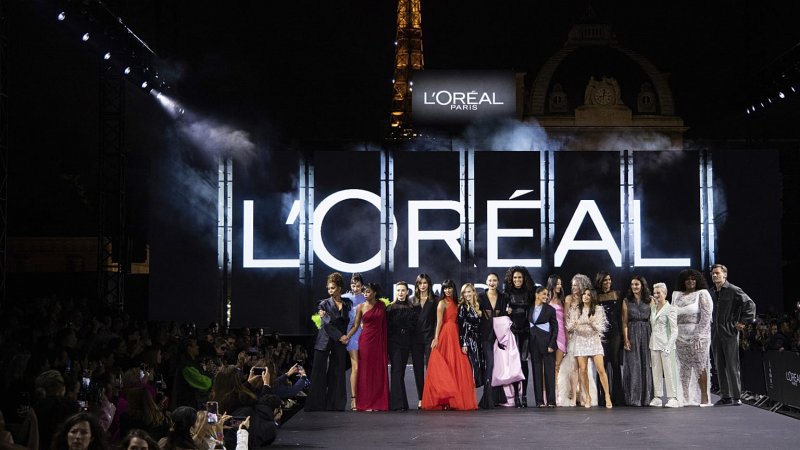
L’Oréal has expanded its presence in the fast-growing dermatology and medical aesthetics market by increasing its stake in Galderma to 20 percent, News.Az reports.
The move highlights the rising strategic value of skin health, injectable aesthetics, and prescription-grade dermatology in the global beauty and healthcare industries. This FAQ explainer breaks down what the decision means for the two companies, how it fits into broader market trends, and what the implications are for consumers, investors, and the pharmaceutical sector.
What exactly happened?
L’Oréal, the world’s largest cosmetics company, announced that it has raised its ownership stake in Galderma to 20 percent. This follows several years of collaboration between the two companies and marks a significant strategic investment in the booming dermatology and aesthetic medicine sector.
Galderma, founded in 1981 as a joint venture between L’Oréal and Nestlé, is now one of the world’s leading independent dermatology companies. It focuses on prescription dermatology, medical aesthetics (including fillers and neuromodulators), and premium skincare brands.
By raising its stake, L’Oréal aligns itself more closely with a sector that has shown rapid global growth and increasing attractiveness for beauty and healthcare investors.
Why is L’Oréal increasing its stake now?
There are several reasons that make this timing favourable for L’Oréal:
1. Strong momentum in medical aesthetics
Injectables such as fillers, collagen stimulators, and neuromodulators have become mainstream. Younger consumers are adopting “preventive aesthetics,” and demand for minimally invasive cosmetic procedures continues to rise worldwide.
2. Skin health is one of the fastest-growing beauty categories
Consumers now prioritise dermatological efficacy and science-backed skincare. Brands positioned at the intersection of beauty and medicine are expanding rapidly.
3. L’Oréal wants to deepen its footprint in “dermo-beauty”
For decades, the company has dominated mass and luxury beauty. With this move, it is strengthening its presence in premium dermatology, a segment with higher margins and stable demand.
4. Galderma has undergone a strong restructuring and growth phase
Since becoming an independent company, Galderma has reported solid revenues, expansion of its clinical portfolio, and increased share in global aesthetics markets. This makes it an attractive long-term investment.
What does Galderma do?
Galderma specialises in three core areas:
Medical aesthetics
Includes injectable products such as:
-
Hyaluronic acid dermal fillers
-
Biostimulators
-
Skin boosters
-
Neuromodulators
These are used for facial contouring, wrinkle reduction, and general aesthetic enhancement.
Dermatological skincare
Consumer-facing brands such as:
-
Cetaphil
-
Benzac
-
Alastin
These products are recommended by dermatologists and are known for their focus on sensitive skin and clinical effectiveness.
Prescription dermatology
Galderma develops treatments for:
-
Acne
-
Rosacea
-
Psoriasis
-
Actinic keratosis
-
Skin barrier disorders
This makes it one of the few companies with a full portfolio across clinical and consumer dermatology.
What does this mean for L’Oréal’s overall business strategy?
The decision supports several long-term goals:
1. Expanding into high-growth medical categories
Medical aesthetics is expected to grow at double-digit rates globally for the next decade. Entering this sector diversifies L’Oréal’s revenue and reduces reliance on traditional cosmetics markets.
2. Strengthening credibility in science-based beauty
L’Oréal increasingly positions itself as a “beauty-tech” and “dermo-science” company. Owning a larger stake in Galderma reinforces this image.
3. Creating synergies between premium dermocosmetics and clinical skincare
L’Oréal already owns many dermatologist-recommended brands, including:
-
La Roche-Posay
-
CeraVe
-
Vichy
By collaborating closely with Galderma, the company can reinforce its scientific research, distribution networks, and understanding of dermatological consumer needs.
4. Enhancing its global medical footprint
L’Oréal has been expanding into professional, doctor-led segments. Galderma gives it greater influence in clinics, aesthetic practices, and prescription channels.
Is L’Oréal trying to enter the pharmaceutical business?
Not directly. L’Oréal remains focused on beauty, not pharmaceuticals. However, the boundaries between beauty and dermatology are becoming increasingly blurred. Consumers expect clinically proven results, and technologies used in medical aesthetics often influence product innovation in cosmetics.
The investment in Galderma positions L’Oréal at the intersection of:
-
beauty
-
biotechnology
-
dermatological science
This allows the company to participate in high-value categories without becoming a pharmaceutical developer itself.
How much could this stake increase be worth?
Exact figures depend on Galderma’s valuation. Recent market estimates have valued Galderma at over 20–22 billion USD. With this valuation, a 20 percent stake could be worth several billion dollars.
The company is reportedly preparing for a future IPO, which would give a clearer picture of the financial value of L’Oréal’s increased position.
Will this investment change how Galderma operates?
No immediate structural changes have been announced. Galderma will remain an independent company with its own management team and research agenda.
However, the expanded relationship with L’Oréal could lead to:
1. Stronger collaboration in research and innovation
Both companies invest heavily in dermatology R&D. Shared scientific expertise may accelerate development of new products.
2. Expanded global distribution networks
L’Oréal has one of the most extensive beauty distribution systems in the world. Galderma can leverage this to grow its consumer skincare brands.
3. Greater brand alignment
Both companies emphasise:
-
dermatologist-backed science
-
clinical efficacy
-
long-term skin health
Synergy between branding strategies is likely.
How does this impact the global beauty and skincare market?
The move reflects a major shift in global beauty trends:
1. Dermatology becomes mainstream
Products that deliver clinical-grade results are now demanded not only in hospitals and clinics but also in everyday skincare.
2. Aesthetic medicine is normalising
Cosmetic injections are no longer niche. This investment indicates that large corporate players expect sustained growth.
3. Beauty companies are entering healthcare-adjacent fields
The future of beauty is blending with:
-
regenerative medicine
-
biotechnology
-
personalised healthcare
L’Oréal’s increased stake signals that the world’s biggest beauty companies plan to integrate more deeply into medical-grade segments.
How will consumers be affected?
Consumers may see several potential benefits:
1. More science-driven skincare products
Collaboration between L’Oréal and Galderma could accelerate innovation in high-efficacy skincare formulations.
2. Stronger availability of dermatology brands
Cetaphil, Alastin, and other Galderma products may expand into new retail markets via L’Oréal’s global infrastructure.
3. Cross-innovation between cosmetics and medical aesthetics
Advances in injectables and clinical treatments often inspire new cosmetic solutions for anti-aging, skin regeneration, and barrier health.
4. Greater trust in dermatology standards
L’Oréal’s presence may increase consumer confidence in dermatology brands as scientifically rigorous.
What does this mean for competitors?
The investment creates pressure on other multinational beauty groups. Rivals such as Estée Lauder, Shiseido, and Beiersdorf are also investing in clinical skincare, but none currently have a comparable stake in a major medical aesthetics company.
This move could intensify competition in:
-
aesthetic injectables
-
dermatological R&D
-
hospital and clinic-based skincare markets
It may also drive further acquisitions in the dermocosmetic and medical-aesthetics space.
Is an IPO for Galderma coming?
Market speculation suggests that Galderma may pursue an initial public offering in the near future. L’Oréal’s increased stake could be interpreted as a sign of confidence in Galderma’s long-term value ahead of any public listing.
An IPO would:
-
provide Galderma with additional capital for growth
-
allow current investors to realise returns
-
clarify valuation for future strategic decisions
However, no official timeline has been confirmed.
What are the risks involved?
While the investment is strategically logical, potential risks include:
Regulatory risk
Medical aesthetics is heavily regulated worldwide. Market growth depends on health authorities approving new treatments.
Competitive pressure
The injectable market is crowded with strong players such as Allergan Aesthetics, Merz, and others.
Economic sensitivity
Although aesthetics is growing, some procedures may decline during economic downturns due to their discretionary nature.
Innovation pressure
The dermatology sector evolves quickly. Companies must consistently invest in R&D to stay competitive.
What does this investment tell us about the future of beauty?
The future of beauty is moving toward:
-
clinical science
-
biologically targeted treatments
-
personalised dermatology
-
doctor-driven skincare channels
L’Oréal’s deeper investment in Galderma signals that global beauty leaders expect dermatology and aesthetic medicine to become central pillars of the industry.
In the next decade, the most successful beauty companies will likely be those that combine:
-
biotechnology
-
dermatology research
-
AI-driven diagnostics
-
personalised treatments
This move positions L’Oréal at the forefront of that transformation.
Final takeaway
L’Oréal’s decision to raise its stake in Galderma to 20 percent is more than a financial investment. It is a strategic shift toward the convergence of beauty, medicine, and dermatology. As consumer expectations evolve and demand for clinically proven skin solutions grows, the partnership between the world’s largest beauty company and one of the leading dermatology specialists is poised to reshape the global skincare and aesthetics landscape.


Similar news