Crucial decision for Georgia: Eurointegration or closer ties with Russia?


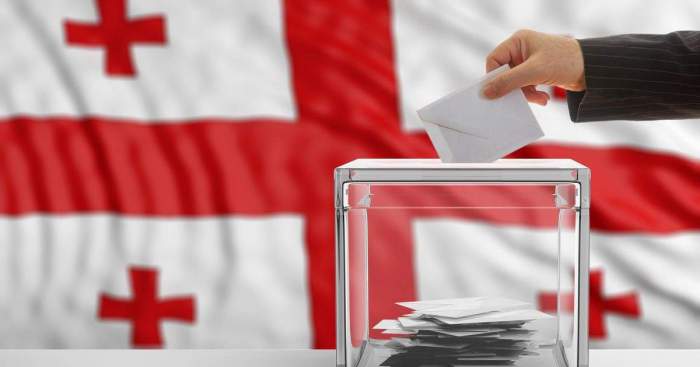
On October 26, 2024, Georgia will hold parliamentary elections, which promise to be the most significant political event for the country. These elections have already been dubbed as decisive not only for domestic policy but also for Georgia’s foreign trajectory, including its future within the framework of Euro-Atlantic integration. Opinions are divided: this vote is seen as a kind of referendum on the direction the country will take—whether it will choose a Western or Russian path.
The current ruling party, "Georgian Dream," led by billionaire Bidzina Ivanishvili, has positioned itself over the past years as a guarantor of peace and stability. Their main message in this election is "peace versus war," which sounds as if the country is already on the brink of catastrophe. It is hard to ignore that this slogan aims to manipulate voters' fears, implying that if opposition parties come to power, Georgia will inevitably be drawn into a military conflict.On the other side, the coalition of pro-European opposition forces, including the "United National Movement" (UNM), offers voters a different choice: between authoritarianism associated with Russian influence and democratic Western values. For the opposition, this is not just a choice—it is a fight for Georgia’s democratic future and for maintaining its course toward integration with the EU and NATO.
Mass rallies have become an integral part of the election campaign. Just a few days before the election, on October 23, "Georgian Dream" gathered about 150,000 supporters in Tbilisi, demonstrating its power. It is difficult to say how many of these people came voluntarily, as there are rumors of pressure on civil servants, especially in rural areas, who are allegedly being forced to vote for the ruling party. This raises justified concerns about the fairness and legitimacy of the upcoming elections.
Meanwhile, opposition rallies are also taking place, with their message that Georgia is at a historic crossroads. Their stance is a call for freedom and democratic institutions, which they believe are gradually being eroded under the rule of "Georgian Dream."
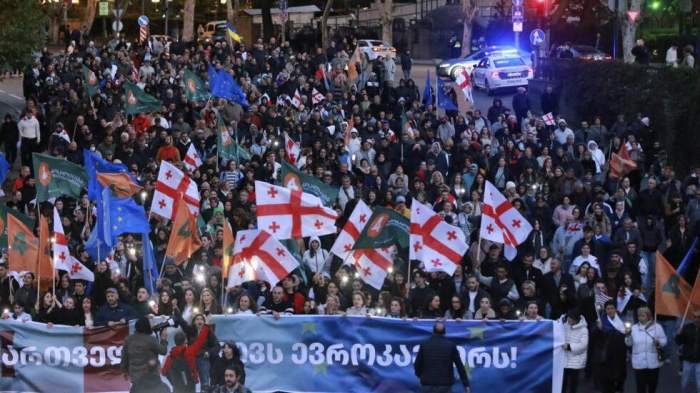
Relations between Georgia and the West are currently, to put it mildly, strained. Recent legislative initiatives, such as laws against LGBT+ and the "foreign agents law," have been sharply criticized by European partners. In response, the European Parliament has called for the imposition of personal sanctions against those undermining democracy in the country, including against Ivanishvili himself. It seemed that the country had already chosen the path of European integration, but the ruling party appears ready to disregard this choice to retain power.
International organizations, including an OSCE mission, will closely monitor the elections to ensure their transparency. The question is whether these efforts will be enough to prevent potential manipulation and pressure on voters.
Despite the deep division among political elites, the sentiments of ordinary voters are not so clear-cut. According to polls, "Georgian Dream" still has high chances of winning, but the opposition parties, having united, could secure more votes. The problem is that a significant part of the population still feels they have no real choice. Fatigue from political manipulation and populism is driving people towards apathy.
It seems that despite all the political aggression and loud slogans, there is a huge vacuum—the lack of new and inspiring leaders who could offer a real alternative. This is a worrying signal for Georgia’s future, regardless of the election outcome.
With just one day left until the elections, both sides are intensifying their campaigns, urging voters to make the "right choice." But what does that right choice mean—stability at any cost, or democratic freedoms with the risk of political instability? The answer to this question will determine not only the country’s domestic policy but also its place in the world.
These elections are a moment of truth for Georgia, which will show what matters more: preserving the status quo or moving forward despite all the risks. One thing is clear: given the tension and polarization we see today, it will not be easy for either side.


Similar news