Europe’s green energy revolution: The corridor that will change everything


.png)
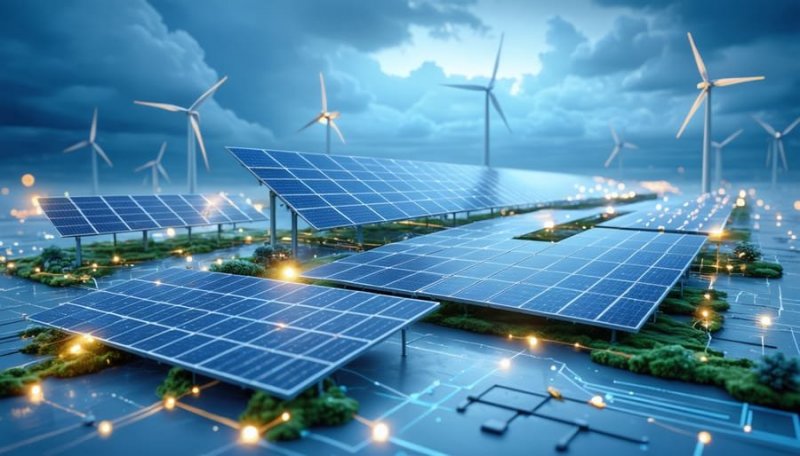
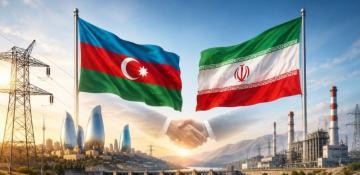
On March 10, 2025, energy ministers from Azerbaijan, Georgia, Hungary, and Romania gathered in Budapest for the 10th session of the Ministerial/Steering Committee, marking a significant milestone in advancing the Strategic Partnership Agreement on the Development and Transmission of Green Energy. This agreement underscores these nations’ shared commitment to enhancing Europe’s energy security while promoting sustainability through the Caspian-Black Sea-Europe Green Energy Corridor.
The corridor plays a crucial role in reducing Europe’s reliance on fossil fuels and imported hydrocarbons. By harnessing renewable energy from Azerbaijan and the Caspian region, the initiative aims to diversify Europe’s energy supply and lessen dependence on traditional suppliers. It integrates wind, solar, and hydropower sources to ensure a stable, sustainable, and resilient energy system for the region.
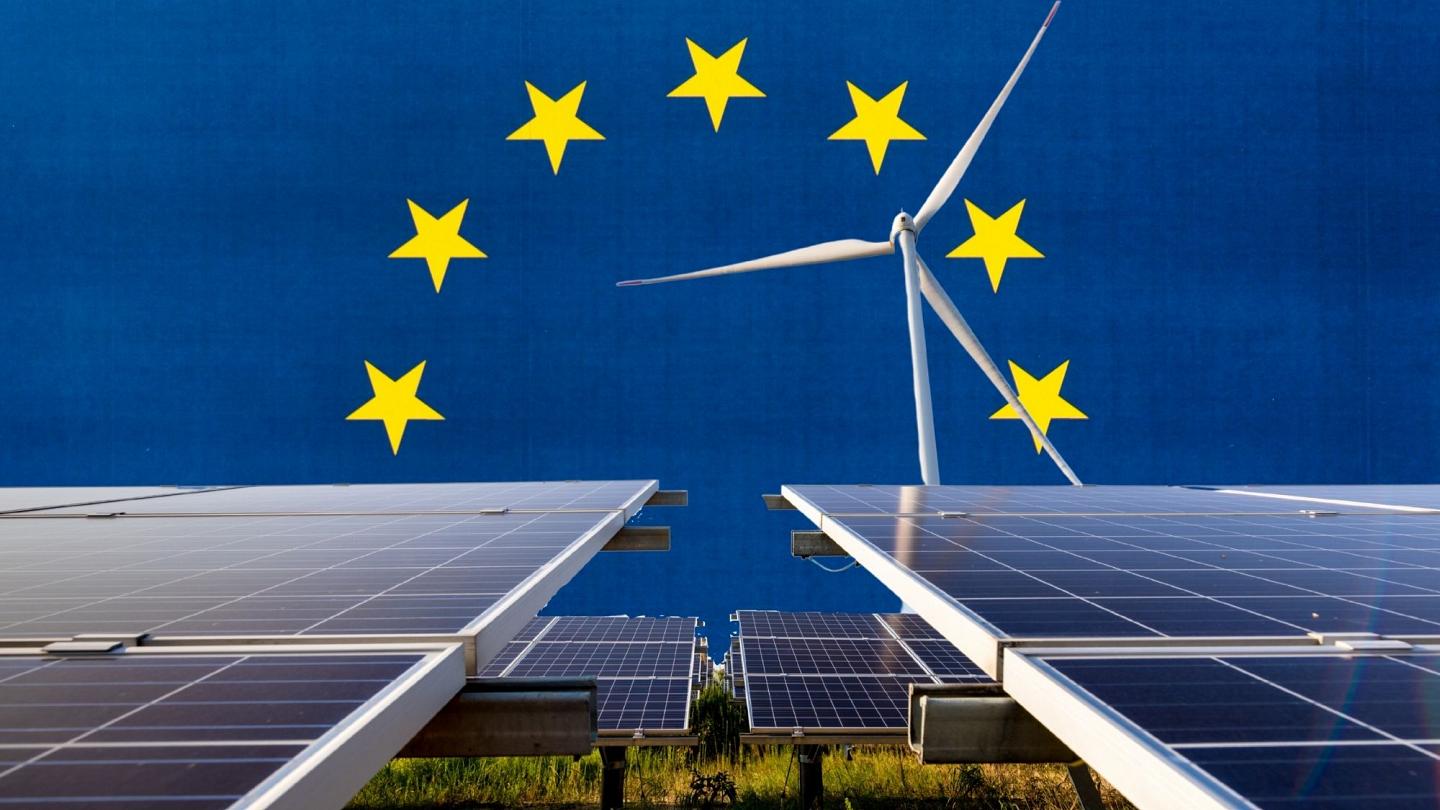
This ambitious project aligns with the European Green Deal and the EU’s goal of achieving carbon neutrality by 2050, highlighting the growing importance of cross-border energy cooperation in securing a greener future for Europe.

Demko Attila, Head of the Strategic Foresight Programme at the John Lukacs Institute of Hungary, told News.Az that green energy is not just a priority for Hungary but a fundamental pillar of Europe’s long-term sustainability and energy security.
“As Europe accelerates its transition to renewable energy, Azerbaijan has the potential to emerge as a key supplier, playing a strategic role in meeting the continent’s growing demand for clean energy. This vision can be realized through an interconnected energy corridor spanning the Black Sea, Romania, and Hungary before integrating into the broader European grid. Ensuring a diversified and resilient energy supply is critical for Europe, particularly in reducing dependence on Russian resources. However, it is equally vital to avoid over-reliance on any single energy provider, including the United States. In this regard, Azerbaijan stands out as a strategic and reliable partner, contributing not only to the advancement of renewable energy but also to the stability of conventional energy markets through its vast reserves of natural gas and oil. By leveraging its rich energy potential and fostering dynamic international partnerships, Azerbaijan can play an instrumental role in shaping Europe’s energy future. Its ability to supply both green and traditional energy strengthens the continent’s energy security, enhances economic cooperation, and supports the global transition toward a more sustainable and diversified energy landscape.”
The success of the corridor hinges on developing high-capacity energy transmission infrastructure. A 1,100-km (685-mile), 1,000 MW high-voltage subsea interconnector will link the Caspian region’s renewable energy sources with Europe, providing a direct supply of green electricity. Once completed, it will be the longest subsea electricity cable in the world.

Source: BBC
The project is expected to attract billions in foreign investment and create thousands of jobs in renewable energy, construction, and engineering across participating nations.
Azerbaijan, which aims to generate 30% of its electricity from renewables by 2030, is rapidly expanding its offshore wind farms and solar capacity to support the corridor.
By replacing fossil fuel-based electricity with renewable energy, the project will significantly reduce carbon emissions and contribute to sustainable development goals across the region.
The Caspian-Black Sea-Europe Green Energy Corridor represents a landmark shift in European energy policy, reinforcing energy security, economic stability, and environmental sustainability. Cooperation between Azerbaijan, Georgia, Romania, and Hungary signals a broader geopolitical and economic alignment centered on green energy.
Source: Reuters
However, the initiative’s success will depend on overcoming logistical, technical, and geopolitical challenges. Continued political commitment, financial backing, and technological innovation will be essential for timely implementation.
If fully realized, the corridor will serve as a model for international green energy cooperation, demonstrating the power of renewable energy alliances in tackling climate change and enhancing economic resilience. As the project progresses, it will play a pivotal role in reshaping Europe’s energy landscape, making clean, reliable, and sustainable energy a cornerstone of the continent’s future.


Similar news