France’s colonial hangover: The unraveling of its overseas empire


By Tural Heybatov
France is waking up to the reality that its imperial grip is slipping. One by one, former colonies have severed ties, and now, even the remnants of its overseas territories seem to be slipping away. The latest alarm bell? Mayotte—a small island in the Indian Ocean, long contested by the Union of the Comoros, and now a growing source of political anxiety in Paris.
For decades, France has clung to its overseas possessions, using them as strategic outposts to project power far beyond Europe. But recent events—ranging from its humiliating ouster from several African nations to violent unrest in New Caledonia—have exposed the fragility of this neocolonial arrangement. Now, Mayotte has become the latest headache for French policymakers.
According to Franceinfo, French lawmakers are urging the government to establish a second naval base on Mayotte in a last-ditch effort to solidify control. The plan includes massive investments in port infrastructure, the deployment of 100 additional troops, and the stationing of oceanic patrol vessels in the region for up to 200 days per year. By 2030, the A400M transport aircraft is expected to provide a permanent military airlift in the Indian Ocean. These moves come as part of a €13 billion military spending package aimed at securing France’s overseas territories through 2024–2030.
Source: World Atlas
But let’s be clear—this sudden surge in military spending is not about protecting the people of Mayotte. It’s about protecting France’s geopolitical interests.
While Paris justifies its military buildup by citing regional instability in Mozambique and growing interest in the region from Russia, China, and Azerbaijan, the real problem is far closer to home. Anti-colonial sentiment is rising in Mayotte, much as it did in New Caledonia, where mass protests and violence shook France’s hold on the Pacific territory.
France is well aware of the growing international scrutiny of its colonial legacy. Last year, the Baku Initiative Group organized an international conference condemning France’s illegal occupation of Mayotte. The event brought together representatives from the Comoros and other anti-colonial movements, resulting in a formal appeal to the UN, the Non-Aligned Movement, the Organization of Islamic Cooperation, and the African Union. The message was clear: France is exploiting its UN Security Council seat to block efforts to decolonize Mayotte.
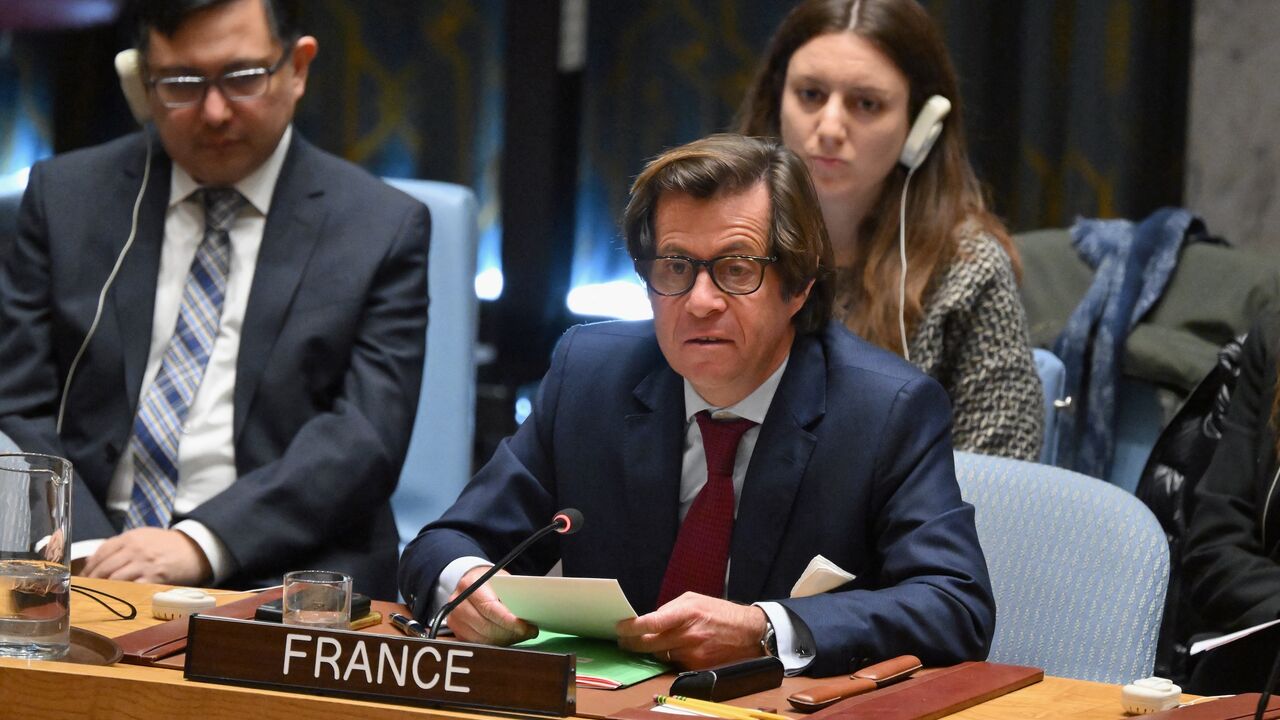
Source: Al-Monitor
And history is not on France’s side.
In 1976, the Comoros declared independence from France following a referendum, and the UN recognized its territorial integrity, including Mayotte. But Paris ignored this decision, later holding a 2009 referendum on the island, where residents—many of whom benefit from France’s economic subsidies—voted to remain under French rule. France used this vote to justify its continued hold over Mayotte, even as the UN General Assembly strongly condemned its presence.
This is colonialism in the 21st century—disguised as democracy.
France’s determination to hold onto Mayotte is not about the island’s 160,000 residents. If it were, Paris would be investing in infrastructure, healthcare, and economic development, not just military installations. Instead, Mayotte remains France’s poorest department, with little sign of improvement.
In September 2023, the island suffered a devastating water crisis, leaving thousands without access to drinking water. Protests erupted, with locals demanding action from the French government. "We are part of France, yet we are being left to die of thirst!" residents chanted.
Paris’s response? Bureaucratic inertia. Only the arrival of the rainy season prevented a full-scale humanitarian disaster.
Then, in December 2024, Cyclone Chido hit Mayotte, unleashing widespread destruction. The island’s already impoverished residents were plunged into even deeper despair. Emmanuel Macron flew in a few days later—only to be met with boos and demands for his resignation.
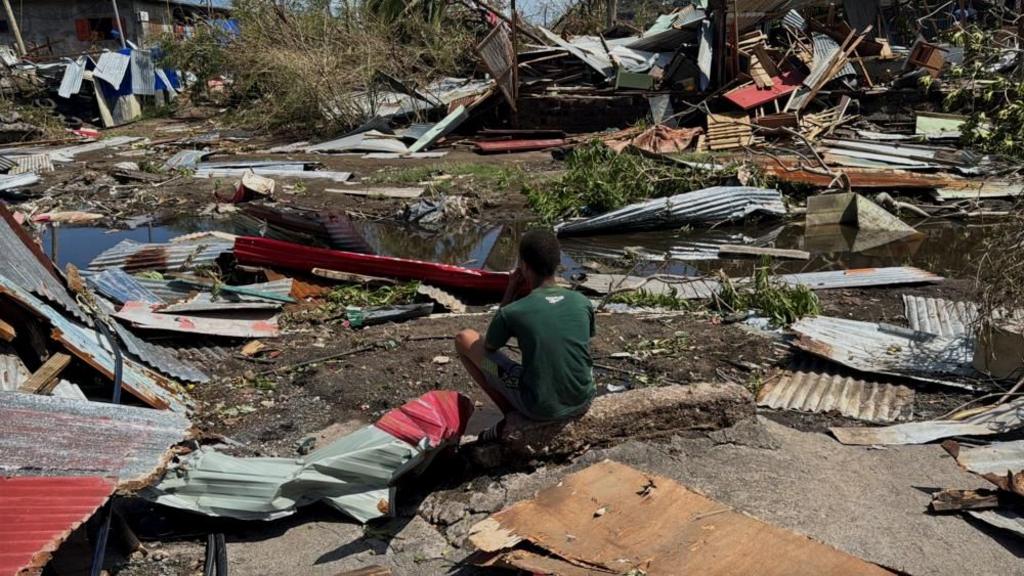
Source: BBC
His response? "I am not a cyclone! I am not responsible!" he snapped, before defensively insisting that without France, Mayotte’s problems would be "10,000 times worse."
It was a telling moment: an imperial power that no longer commands respect, but clings to control through military force and empty rhetoric.
For years, France has ignored the island’s real security concerns—particularly the surge in illegal migration from Africa and the Comoros. When riots broke out in early 2024, with residents blocking roads and erecting barricades to protest crime and insecurity, Paris once again misread the situation.
Rather than addressing border security or investing in local law enforcement, France opted for mass deportations of undocumented migrants, sparking even greater tensions between locals and newcomers. Mayotte’s residents wanted secure borders, not forced expulsions—yet France’s detached, militarized approach only deepened the crisis.
The reality is stark: France cannot sustain its overseas empire on military force alone. If it wants to keep Mayotte, it must invest in its people, secure its borders, and give residents a reason to feel like they are truly part of France.
So far, the €13 billion spending plan offers nothing of the sort. It is not about Mayotte’s future—it is about France’s geopolitical ambitions.
For now, Mayotte remains under the French flag. But for how long?


Similar news