Hay Eytan Cohen Yanarocak: Iran is using the Gaza conflict to derail Israeli-Turkish normalization


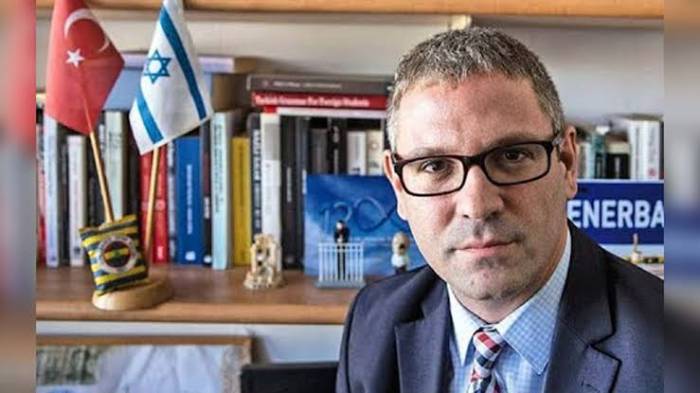
News.Az presents an exclusive interview with Dr. Hay Eytan Cohen Yanarocak, a prominent researcher at the Moshe Dayan Center for Middle Eastern and African Studies at Tel Aviv University. Dr. Yanarocak is an expert on Turkish politics and the broader Middle East, offering critical insights into the region's shifting dynamics.
In this conversation, he delves into Turkey’s evolving foreign policy, its relations with Israel, and the regional consequences of the ongoing Iran-Israel confrontation. His analysis sheds light on how Turkey's recent decisions may affect its role on the international stage.- In your view, why has Turkey chosen to move away from the term "Central Asia" in favor of "Turkestan"? How does this shift reflect its current foreign policy priorities?
- Given Erdoğan’s alliance with Turkish nationalists, this shift should not come as a surprise. Erdoğan understands the symbolic importance of such actions, especially within the framework of his broader political alliances.
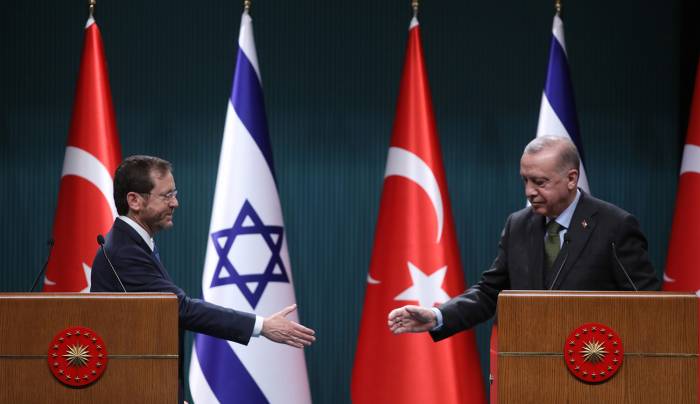
- What role could Turkey play in stabilizing the Middle East after the resolution of ongoing conflicts, and how might this impact its relations with Israel?
- Unfortunately, due to Turkey’s outspoken pro-Hamas stance, it is unlikely to play any significant role in the region in the near future. Only if a new normalization process with Israel is launched could Turkey envision a more influential role.
- How do you see Turkish-Israeli cooperation evolving in the context of the ongoing Iranian-Israeli confrontation? What are the prospects for these relations?
- Iran’s orchestration of the Gaza conflict was aimed at derailing Israeli-Turkish normalization and the Abraham Accords. While this has been disrupted, the regional balance is increasingly tilting in favor of Israel. I hope Turkish decision-makers will recognize this shift and adjust their foreign policy accordingly to rebuild ties with Jerusalem.
- How would you assess Turkey’s chances of success as a mediator in the Iranian-Israeli conflict? Does it have the potential to influence this situation?
- Before the collapse of normalization, Turkey had a unique position as the first Muslim country to recognize Israel in 1949. However, since adopting a pro-Hamas stance last year, Turkey has lost credibility as a mediator in Israeli eyes. No Israeli government will grant Turkey a significant role, let alone align with Iran’s interests.
- To what extent could recent shifts in Turkish domestic and foreign policy affect its perception as a regional leader and its long-term interests in the Middle East and Central Asia?
- For Turkey to secure its national interests, it must refrain from using foreign policy as a tool for domestic popularity. Erdoğan needs to prioritize realpolitik over public relations, especially regarding Israel. In the Middle East, this approach limits Turkey's ability to mediate, but in Central Asia, Turkey is on a promising path, strengthening ties with Azerbaijan and others. The adoption of a common Turkic alphabet is a positive development.


Similar news