Iran and Israel prepare for new strikes


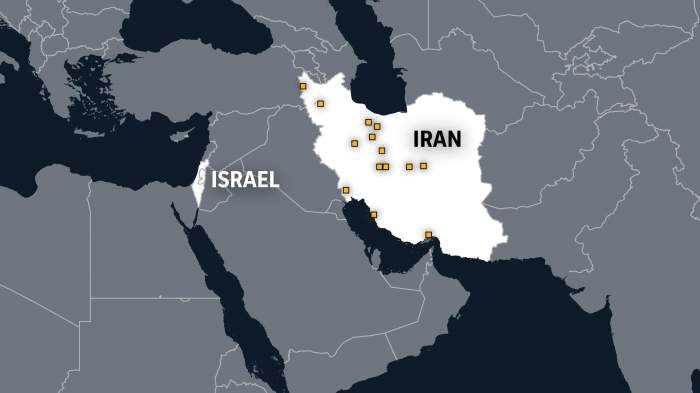
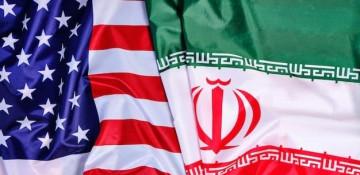
The conflict between Iran and Israel has significantly escalated in recent days, leading to increased tensions in the region, News. Az reports.
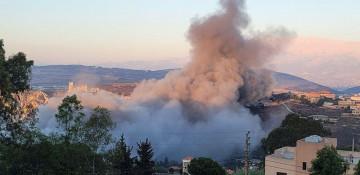
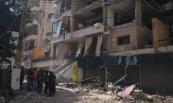
Israel continues to actively attack Hezbollah positions in Lebanon, particularly in the southern suburbs of Beirut, where intense bombardments have been ongoing since October 4. Local residents report that the intensity of these strikes surpasses previous attacks on the Lebanese capital. Along with airstrikes, Israeli ground forces launched an incursion into southern Lebanon on October 3, engaging in fierce combat with Hezbollah fighters. According to Israeli reports, up to 250 Hezbollah fighters have been killed in these clashes, though the group has not confirmed these figures.
This escalation of military activity by Israel can be seen as a response to the threat posed by Hezbollah, which traditionally receives support from Iran. At the same time, Israeli authorities are focused on strengthening defensive measures in the country’s north, anticipating potential retaliatory attacks from Iran-aligned militias.
Iran continues to demonstrate its support for Lebanon and Hezbollah on both diplomatic and military fronts. Iranian Foreign Minister Abbas Araghchi called for a ceasefire in Lebanon, conditioned on a simultaneous truce in Gaza, where fighting between Israel and Palestinian groups is ongoing. This move aims to ease regional tensions, but Iran’s threats raise concerns that peace talks might serve as a temporary pause for military preparations.
The greatest concern is the threat from the Iranian Revolutionary Guard Corps (IRGC), which warned that in the event of an Israeli strike on Iran, it would target Israel's energy infrastructure, including refineries and gas fields. These statements come in response to Israel’s retaliation for the missile attack that occurred on October 1, damaging Israeli infrastructure.
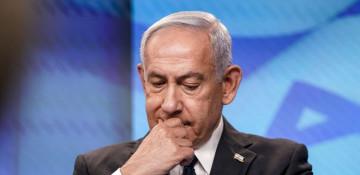
In light of these threats, Israel is preparing a serious response to Iran’s actions. Prime Minister Benjamin Netanyahu and Defense Minister Yoav Gallant confirmed the country’s intention to launch a powerful strike against Iran in response to the missile attacks originating from Iranian-controlled territories. Israeli military officials are reportedly preparing for a large-scale operation aimed at weakening Iran's ability to launch further strikes on Israeli targets.
This potential retaliation could have far-reaching consequences not only for Israel and Iran but also for the entire Middle East. Many experts believe that a prolonged war of attrition may become the new reality, as neither side shows readiness for a long-term resolution.
The conflict has devastating effects on the civilian population in Lebanon and other affected regions. French President Emmanuel Macron has called for an international arms embargo on weapons supplied to Israel for its operations against Gaza, while the United States announced $157 million in humanitarian aid for Lebanon.
At the same time, rising regional tensions include Iraq, from where Islamic resistance forces claimed to have carried out several drone attacks on northern Israel. These strikes highlight the broad regional support for the conflict and further complicate prospects for resolution.
The escalation of the Iran-Israel conflict from October 4 to 6, 2024, raises serious questions about the future of the Middle East. Despite international efforts to reduce tensions, a war of attrition between Iran and Israel may continue for the foreseeable future. Each new attack and retaliatory measure only increases the likelihood of a larger-scale conflict, which could involve not just these two countries but also other regional states drawn into the confrontation.


Similar news