Israel awaits a harsh strike from Iran


.jpg)
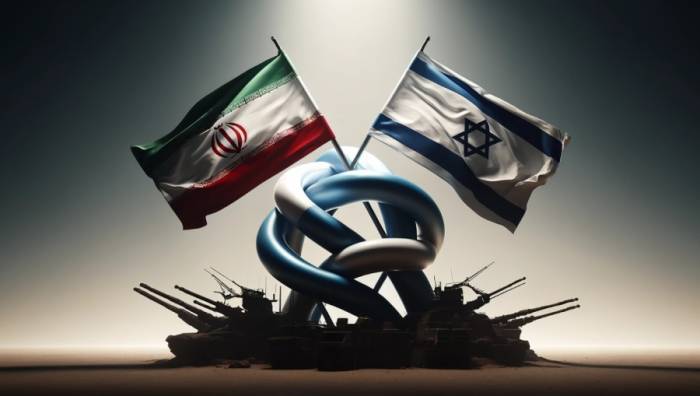
Iran is now facing a pivotal decision. How the Islamic Republic chooses to respond to Israel's recent airstrikes on its territory could significantly influence the trajectory of regional conflict—either escalating toward full-scale war or maintaining the current level of violence, which is already severe.
Iran's motivations for retaliating against Israel are multi-faceted. Firstly, there is a strong ideological component; the Iranian regime has positioned itself as a champion of the Palestinian cause, viewing attacks on Palestinians as direct assaults on its national identity and Islamic principles.Moreover, Iran's regional ambitions play a significant role. By retaliating against Israel, Iran seeks to assert itself as a dominant power in the Middle East , demonstrating its capacity to challenge a nation that has long enjoyed strategic partnerships with Western powers and regional allies like Saudi Arabia. Such a move would not only bolster Iran's standing among its allies but also serve as a warning to other nations contemplating adversarial actions.
As the world awaits Iran’s response to Israel, both countries keep exchanging threats.
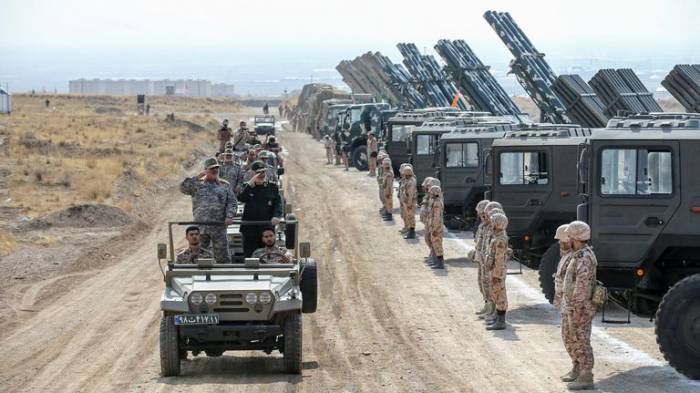
A few days ago, Chief of Iran’s Islamic Revolutionary Guard Corps (IRGC) Hossein Salami pledged an ‘unimaginable’ response to Tel Aviv.
“The bitter consequences of the Israeli crime will be unimaginable for Tel Aviv,” the IRGC chief said in a letter to Army Chief Commander Major General Abdolrahim Mousavi.
According to the New York Times, Supreme Leader Ali Khamenei has already directed military officials to prepare a retaliatory attack on Israel.
However, Israeli sources claim that Iran is planning to launch an attack on Israel from Iraqi territories in the coming days , potentially before the U.S. presidential election on November 5.
“The anticipated strike could involve a significant deployment of drones and ballistic missiles, with pro-Iranian militias in Iraq playing a key role,” Axios quoted unnamed Israeli sources as saying.
In turn, Chief of the Israeli Army's General Staff Herzi Halevi has issued a strong warning to Iran over potential attacks.
"If Iran makes the mistake of launching another missile barrage at Israel, we will once again know how to reach Iran, with capabilities that we did not even use this time, and strike very, very hard at both their capabilities and locations that we set aside for now," Halevi vowed.
Some sources allege that Iran may seem weak if it opts not to retaliate, but Tehran could also be hesitant to provoke a more severe response from Israel. The recent Israeli strikes reportedly targeted air defense systems, potentially leaving Iran more vulnerable. While Israel has so far refrained from hitting Iranian oil or nuclear sites—following U.S. guidance—there's no guarantee that such restraint will continue. An attack on oil facilities could severely damage Iran's already struggling economy, impacted by years of U.S. sanctions.
Another possible strategy for Iran would be to respond indirectly through its network of allies and proxies, like Hezbollah and the Houthis. However, this approach carries its own risks, as many groups in Iran’s "Axis of Resistance" have suffered significant losses since October 2023, including key leaders from Hezbollah and Hamas, Hassan Nasrallah and Ismail Haniyeh , respectively. Further escalation might weaken these militias and diminish their ability to deter Israeli actions.
Tehran may also prefer to use diplomacy to isolate Israel. Earlier in October, Foreign Minister Seyed Abbas Araghchi toured several Arab nations—including Bahrain, Egypt, Jordan, Iraq, Kuwait, Oman, Qatar, and Saudi Arabia—in an effort to strengthen regional ties and ease tensions, while sidelining Israel.
Meanwhile, Israel’s ongoing conflicts with the Palestine-based Hamas and Lebanon-based Hezbollah have entered a critical phase, marked by heightened tensions and escalating military actions.
Escalation in Gaza: If Hamas continues to launch attacks into Israeli territory, Israel may respond with increased ground operations. A full-scale ground invasion could be on the table, contingent on intelligence assessments and civilian considerations. Such a move would aim to dismantle Hamas's military capabilities but could also lead to significant civilian casualties and international backlash.
Cross-front engagement: Hezbollah's involvement complicates the scenario. A coordinated attack by Hezbollah could force Israel to engage on multiple fronts. This would require a shift in strategy, potentially leading to a broader military campaign across northern borders. The risk of a multi-front conflict increases with any significant Hezbollah actions, potentially drawing in regional allies.
Diplomatic interventions: International diplomacy could alter the pace of Israel's offensives. Pressure from global powers, particularly the U.S. and European nations, might lead to calls for ceasefires or negotiations, impacting operational decisions. However, Israel's response to such pressures will likely depend on perceived threats and its strategic objectives.
In conclusion, tensions in the Middle East appear poised to persist for the foreseeable future. Unresolved issues surrounding Palestinian statehood and regional grievances contribute to a cycle of violence that is difficult to break. As countries grapple with internal challenges and external pressures, the prospects for lasting peace remain dim, suggesting that the region will continue to experience instability and conflict for years to come.
(If you possess specialized knowledge and wish to contribute, please reach out to us at opinions@news.az).


Similar news