Israel vs. Houthis: The beginning of a new coalition in the region


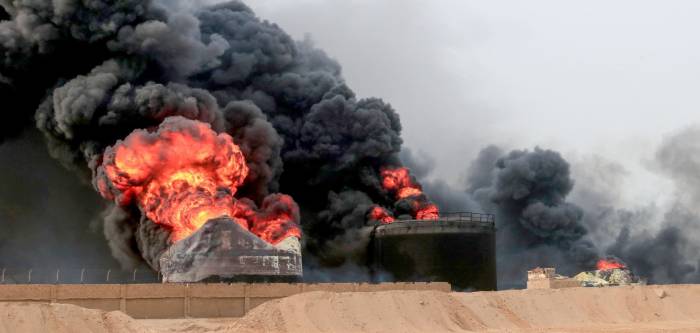
Smoke billows from a fire at oil storage tanks in Hodeidah, Yemen, a day after Israeli strikes hit the city’s port on July 21, 2024. Photo: AFP
Israel’s preparations for a retaliatory operation against the mark a critical juncture in the Middle East’s complex geopolitical landscape. While such an operation may be necessary to neutralize the growing threat of Houthi missile strikes, its success hinges on the formation of a coalition involving key regional and global players. This coalition would likely comprise Israel, several Sunni Arab states, and the United States, whose missile defense systems and military expertise are indispensable. Yet the challenges of forging such alliances reflect the intricacies of modern Middle Eastern diplomacy.
The Houthis, formally known as Ansar Allah, have emerged as one of Israel’s most concerning adversaries. Operating from Yemen, over 1,000 kilometers away, their ability to launch missile strikes poses a direct threat to Israeli security. The roots of this Shiite paramilitary group trace back to the early 21st century, though their influence expanded significantly during Yemen’s civil war. Initially a localized rebellion, the Houthis leveraged the chaos of the Arab Spring to seize control of southern Yemen, consolidating their power and aligning with Iran. This alliance has transformed them into a proxy for Tehran, capable of projecting Iranian influence far beyond its borders.Historically, the Houthis’ Zaydi sect of Shia Islam shares certain similarities with Sunni Islam. However, their doctrine’s unique emphasis on imams as leaders who rise to defend their community has fueled their militant activities. Under the leadership of Hussein al-Houthi, the movement’s anti-Western and anti-Israeli rhetoric intensified, mirroring the ideologies of other militant groups in the region. This ideological framework, combined with Iranian financial and military support, underscores the Houthis’ growing threat to regional stability.
Israel’s strategy of preemptive and targeted eliminations has proven effective in neutralizing existential threats. From Hamas leaders to Hezbollah commanders , these operations have dismantled networks that sought to “wipe Israel off the map.” However, the effectiveness of such tactics depends not only on military precision but also on the broader geopolitical context. The potential operation against the Houthis is no exception, requiring meticulous planning and international coordination.
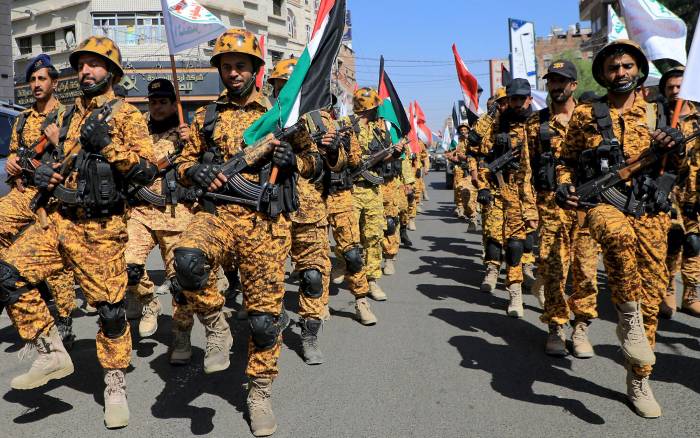
Armed forces loyal to Yemen's Houthi rebels march through the streets of Sanaa in a show of solidarity with the Palestinians on October 15, 2023. Photo: Mohammed Huwais/AFP
The necessity of a coalition becomes evident when considering the regional dynamics. Sunni Arab states, many of which view Iran as a common adversary, have a vested interest in countering the Houthis. Saudi Arabia, in particular, has borne the brunt of Houthi missile and drone attacks. Aligning with Israel on this front would not only address a shared threat but also signal a shift toward pragmatic cooperation in the face of mutual challenges. The Abraham Accords have already laid the groundwork for improved Israeli-Arab relations, and a unified stance against the Houthis could further solidify these ties.
The United States’ role in this coalition is equally crucial. As the primary supplier of advanced missile defense systems, including the Iron Dome and Patriot batteries, U.S. involvement would provide the technological edge needed to neutralize Houthi threats. Additionally, American diplomatic backing could help bridge gaps between coalition members, ensuring a cohesive and coordinated response. However, Washington’s support is not guaranteed. Domestic political considerations and a desire to avoid further entanglement in Middle Eastern conflicts could temper U.S. involvement, making Israel’s diplomatic efforts all the more critical.
To understand the stakes, one must examine the broader historical context of Israel’s confrontations with militant groups. Hezbollah, for instance, has long been a thorn in Israel’s side. Founded during Lebanon’s civil war with Iranian backing, Hezbollah evolved into a powerful political and military force. Despite its designation as a terrorist organization by much of the Western world, Hezbollah enjoys significant support among Lebanon’s Shiite population, complicating efforts to dismantle its network. The assassination of Hezbollah leader Hassan Nasrallah in 2024 dealt a significant blow to the organization, yet its capacity for retaliation remains a concern.
Similarly, Hamas, a Sunni Palestinian organization, has been a persistent adversary since its founding during the First Intifada in 1987. Initially supported by Israel as a counterbalance to Fatah, Hamas quickly adopted a more radical stance, advocating for armed struggle and employing violent methods against Israeli civilians and military targets. The group’s internal divisions and leadership challenges have not diminished its threat, as evidenced by the October 7, 2023, attack that triggered a large-scale Israeli response.
The common thread among these groups—Hezbollah, Hamas, and the Houthis—is their reliance on Iranian support. Tehran’s Islamic Revolutionary Guard Corps (IRGC) plays a central role in training, funding, and equipping these organizations, enabling them to act as proxies for Iranian interests. The Quds Force, a specialized unit of the IRGC, has been particularly instrumental in extending Iran’s reach across the region. Qasem Soleimani, the Quds Force’s late commander, exemplified this strategy, orchestrating operations that bolstered Iran’s allies and proxies while undermining its adversaries.
Israel’s uncompromising stance toward Iran and its proxies is rooted in both necessity and principle. Allowing groups like the Houthis to operate unchecked would embolden other militant organizations and further destabilize the region. Yet this strategy is not without risks. A retaliatory operation against the Houthis could provoke a broader conflict, drawing in additional actors and escalating tensions across the Middle East. This underscores the importance of a coalition approach, which would distribute the burden of such an operation and lend it greater legitimacy.
The moral dimension of Israel’s strategy also warrants consideration. Critics may argue that preemptive strikes and targeted assassinations violate international norms, but Israel’s actions are driven by an existential imperative. In a region where threats to its existence are both real and immediate, Israel cannot afford to rely solely on diplomacy or deterrence. The elimination of figures like Nasrallah and Haniyeh serves as a stark warning to others who might seek to harm the Jewish state.
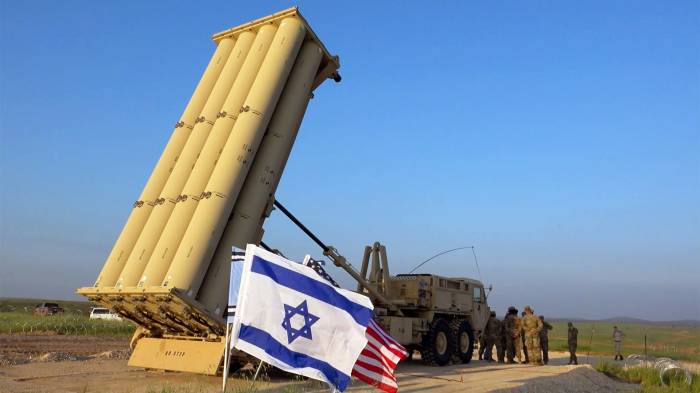
THAAD missile defense system. Photo source: US Department of State
Looking ahead, Israel’s ability to navigate these challenges will depend on its diplomatic agility and military precision. Forming a coalition against the Houthis will require not only aligning interests but also overcoming historical grievances and ideological divides. The success of such an endeavor could set a precedent for future collaborations in the region, demonstrating that shared threats can foster unity even among unlikely partners.
In conclusion, Israel’s preparations for a retaliatory operation against the Houthis reflect a broader strategy of proactive defense and regional coalition-building. While the challenges are formidable, the stakes are too high to ignore. By addressing the Houthi threat through a combination of military action and diplomatic engagement, Israel can safeguard its security and contribute to the stability of the Middle East. The world must recognize the complexities Israel faces and support its efforts to neutralize those who seek to undermine peace and security in the region.
(If you possess specialized knowledge and wish to contribute, please reach out to us at opinions@news.az).


Similar news