Michel Barnier declares 'war' on migrants, primarily Muslims


The newly appointed French Prime Minister, Michel Barnier, selected by Emmanuel Macron, plans to revive the Ministry of Immigration. According to French media reports, he is already holding consultations with representatives of the country's political forces to discuss the candidacy for the future head of the ministry.
This ministry previously existed in France from 2007 to 2010. Although officials close to Barnier have not yet confirmed this information, his views on migration are well-known. In a recent interview with TF1, Barnier stated his intention to control immigration "strictly and humanely." He also vowed to strengthen border control and called on all political forces to join the discussion on tackling illegal migration.
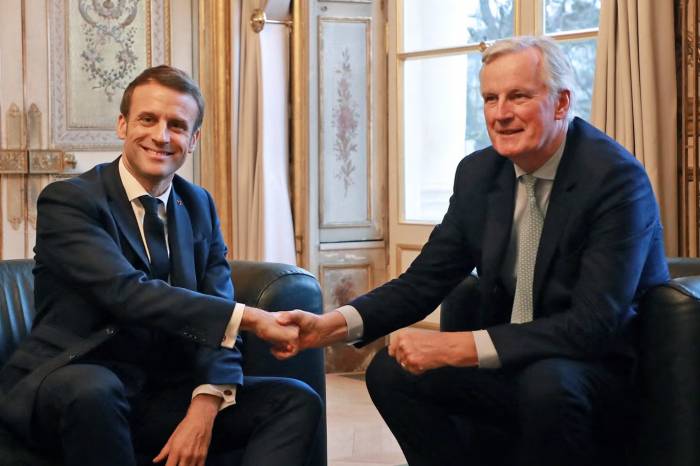
In 2021, during his presidential campaign, Barnier proposed a five-year moratorium on immigration to regain control of the country's migration policy. He opposed the mass legalization of illegal migrants and advocated for a referendum on migration issues.
Barnier's anti-immigration stance is likely to resonate with the French public. According to a poll conducted by the CSA polling service for CNews last year, 80% of the French population believe the current level of immigration is too high and oppose accepting more migrants.
It is also worth noting that in 2023, France deported 4,686 foreigners who had committed offenses, marking a 30% increase compared to 2022. In 2021, the French authorities deported 1,800 migrants. The majority of those expelled were Muslims, as indicated by the deportation destinations — primarily to Maghreb and sub-Saharan Africa. The French Ministry of the Interior clarified that these figures do not include individuals expelled preemptively for reasons of radicalism and terrorism, suggesting the actual number of deported Muslims is even higher.
The tightening of immigration policies is expected to disproportionately impact Muslim migrants. For example, last year's immigration control and integration law included provisions for revoking residency permits for "non-compliance with the principles of the Republic." While the law does not explicitly define these principles, government spokesperson Olivier Véran clarified that violations include "the conspicuous wearing of religious symbols in schools" and "refusal to interact with civil servants of the opposite gender on religious grounds." This confirms that the stricter immigration laws primarily target Muslim communities. Interior Minister Gérald Darmanin also proposed revoking residency permits for individuals who "adhere to radical jihadist ideology," citing as an example those who possess images of Islamic State victims on their phones.
The passing of this legislation has sparked widespread protests and drawn criticism from human rights organizations, who labeled it the most regressive law in the past 40 years. The new measures introduce quotas for the legalization of foreigners, impose security deposits for student visas, restrict social benefits, and revoke citizenship for those who kill police officers, as well as residency permits for "non-compliance with the principles of the Republic."
Will Barnier find political allies for his anti-immigration agenda? Most likely, yes. In the last parliamentary elections, the far-right National Rally (RN) pledged an "emergency law" to significantly curtail the rights of "non-French" citizens. Thus, Barnier has political forces with whom he can collaborate to implement his plans.
This ministry previously existed in France from 2007 to 2010. Although officials close to Barnier have not yet confirmed this information, his views on migration are well-known. In a recent interview with TF1, Barnier stated his intention to control immigration "strictly and humanely." He also vowed to strengthen border control and called on all political forces to join the discussion on tackling illegal migration.
In 2021, during his presidential campaign, Barnier proposed a five-year moratorium on immigration to regain control of the country's migration policy. He opposed the mass legalization of illegal migrants and advocated for a referendum on migration issues.
Barnier's anti-immigration stance is likely to resonate with the French public. According to a poll conducted by the CSA polling service for CNews last year, 80% of the French population believe the current level of immigration is too high and oppose accepting more migrants.
It is also worth noting that in 2023, France deported 4,686 foreigners who had committed offenses, marking a 30% increase compared to 2022. In 2021, the French authorities deported 1,800 migrants. The majority of those expelled were Muslims, as indicated by the deportation destinations — primarily to Maghreb and sub-Saharan Africa. The French Ministry of the Interior clarified that these figures do not include individuals expelled preemptively for reasons of radicalism and terrorism, suggesting the actual number of deported Muslims is even higher.
The tightening of immigration policies is expected to disproportionately impact Muslim migrants. For example, last year's immigration control and integration law included provisions for revoking residency permits for "non-compliance with the principles of the Republic." While the law does not explicitly define these principles, government spokesperson Olivier Véran clarified that violations include "the conspicuous wearing of religious symbols in schools" and "refusal to interact with civil servants of the opposite gender on religious grounds." This confirms that the stricter immigration laws primarily target Muslim communities. Interior Minister Gérald Darmanin also proposed revoking residency permits for individuals who "adhere to radical jihadist ideology," citing as an example those who possess images of Islamic State victims on their phones.
The passing of this legislation has sparked widespread protests and drawn criticism from human rights organizations, who labeled it the most regressive law in the past 40 years. The new measures introduce quotas for the legalization of foreigners, impose security deposits for student visas, restrict social benefits, and revoke citizenship for those who kill police officers, as well as residency permits for "non-compliance with the principles of the Republic."
Will Barnier find political allies for his anti-immigration agenda? Most likely, yes. In the last parliamentary elections, the far-right National Rally (RN) pledged an "emergency law" to significantly curtail the rights of "non-French" citizens. Thus, Barnier has political forces with whom he can collaborate to implement his plans.
(If you possess specialized knowledge and wish to contribute, please reach out to us at opinions@news.az).


Similar news