Middle Eastern knot: Light at the end of the tunnel


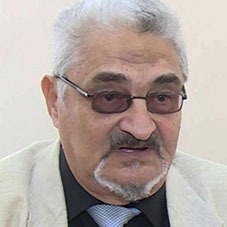
Moses Becker is a political commentator for News.Az. He holds a PhD in political science and specializes in interethnic and interreligious relations. The views expressed in this article are the author’s own and do not necessarily reflect the position of News.Az.
The tightly wound Middle Eastern conflict appears to be approaching its resolution. The unprecedented determination and pressure from President Donald Trump and his team have produced long-awaited results. The dispute, unresolved for years and exploited by generations of unscrupulous politicians, is nearing its end.
Ultimately, leaders of Middle Eastern countries have realized that supporting terrorism harms them more than it harms Israel. This recognition came in Qatar, which for years funded Hamas, and in Türkiye, which positioned itself as the defender of all Muslims.
Of course, each had its own interests, but the moment arrived when it became clear that backing radicals does not strengthen their states; on the contrary, it undermines the foundations of countries that continue to follow an outdated ideology.
Acceptance of Donald Trump’s plan has already altered the situation in the region. “The war is over,” the American president told journalists. He also indicated that a new administration in Gaza would begin its work “very soon.” Trump emphasized that he has received many verbal assurances on which he relies.
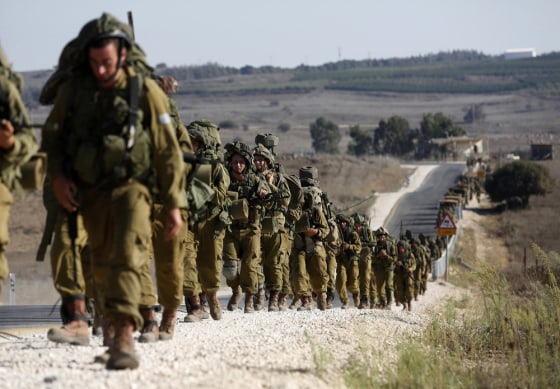
Hamas and Israel have reached an agreement on the first stage of the peace plan proposed by President Trump for the Gaza Strip. The plan includes the release of hostages, many of whom — specifically 20 living captives — have already returned to their families. It also envisions a phased withdrawal of Israeli troops from the region, the delivery of humanitarian aid, and the creation of an international monitoring body.
Source: Reuters
Trump insists on the disarmament of Hamas and the demilitarization of Gaza, while allowing Israel to continue acting against terrorists if they do not comply with the proposed plan. Moreover, Israel has been granted the right to maintain its armed forces in Gaza for a fairly long period — in particular, the return of hostages is not conditional on Israeli troops leaving the sector’s perimeter.
Another significant point for Jerusalem is that the plan does not mention a Palestinian state. The document states that after the demilitarization and de-radicalization of the Gaza Strip and reforms within the Palestinian Authority, “paths to Palestinian self-determination and statehood” and “political prospects for peaceful and prosperous coexistence” with Israel will be discussed.
According to the Saudi newspaper Ash-Sharq al-Awsat, many supporters and members of Hamas, as well as those working in its government, are beginning to understand that the group’s chances of retaining power, or even remaining a significant force, are declining. They fear persecution from those who will replace them.
Against this backdrop, some officials are already abandoning their duties and planning to leave, while others believe it is necessary to hold on to their weapons until the end. Clashes have already broken out in Gaza between Hamas fighters and various armed groups belonging to local clans. The fact that the once-powerful organization fears for its future is also reflected in the statement of senior Islamist commander Izzaddin al-Haddad, who told mediators he is ready to hand over rockets and other offensive weapons to Egypt and the UN but wants to keep small arms for defensive purposes.
In recent weeks, the unified command structure has been disintegrating. As The Wall Street Journal notes, many units of the terrorist organization in Gaza are now operating independently.
Source: bengurionairportvip
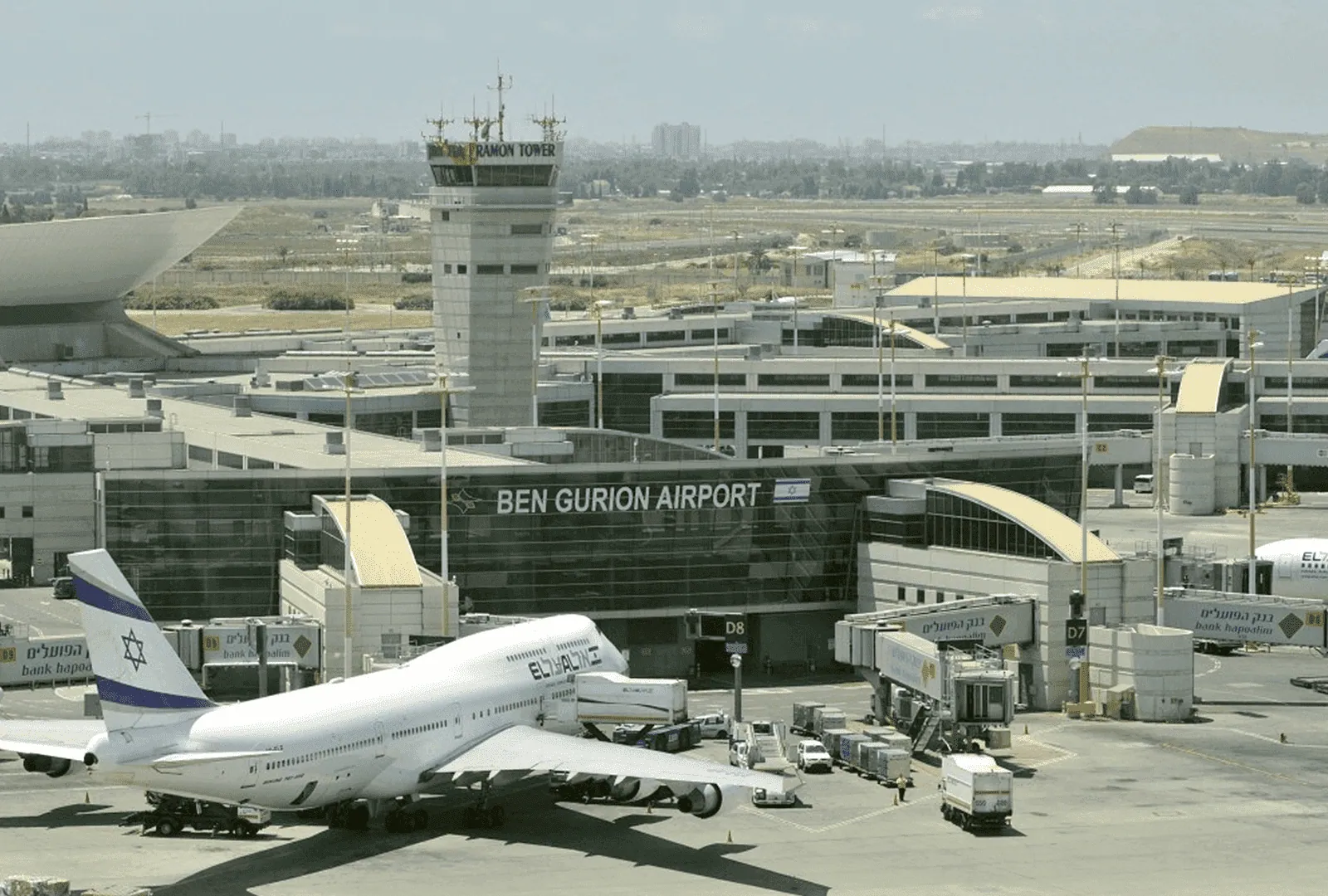
Trump arrived in Israel on October 13 against the backdrop of the release of Israeli hostages held by Hamas. Upon arriving at Ben Gurion Airport, Trump, contrary to protocol, invited Prime Minister Benjamin Netanyahu and his wife Sara into his car, according to The Times of Israel, highlighting the special relationship between the two leaders. Before entering his armored Cadillac limousine, “The Beast,” Trump greeted his daughter Ivanka and then spoke with her husband Jared Kushner and special envoy Steve Witkoff, who were also at the airport to meet him.
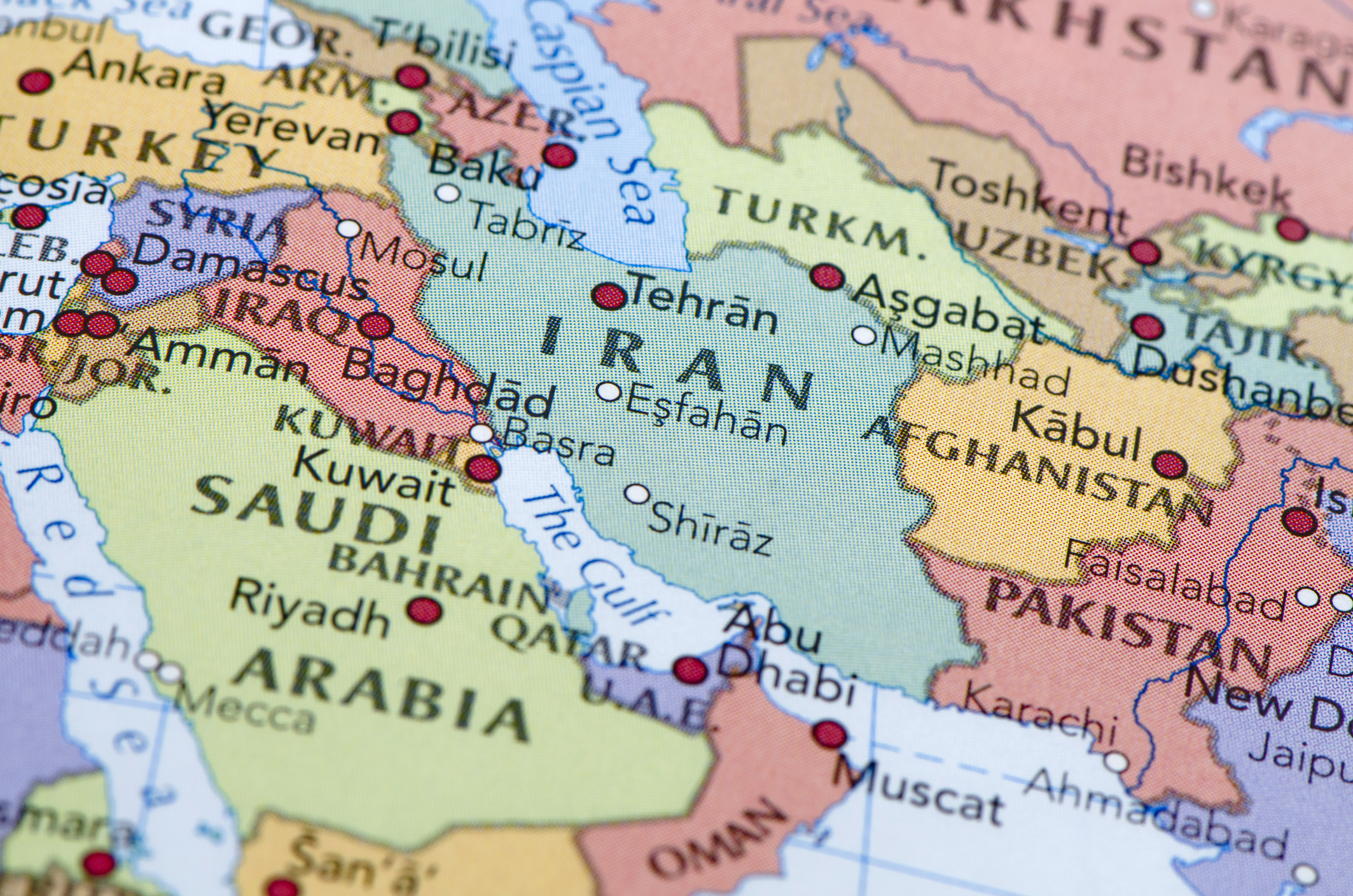
After his visit to Israel, the U.S. president flew to Egypt to attend a summit of heads of state and government from 20 countries. According to Egypt’s official news agency MENA, the “Peace Summit in Sharm el-Sheikh” was attended by presidents, kings, and emirs, including Egyptian President Abdel Fattah el-Sisi, U.S. President Donald Trump, Turkish President Recep Tayyip Erdoğan, Jordan’s King Abdullah II, Qatar’s Emir Sheikh Tamim bin Hamad Al Thani, Bahrain’s King Hamad bin Isa Al Khalifa, Palestinian President Mahmoud Abbas, Indonesian President Prabowo Subianto, Azerbaijani President Ilham Aliyev—personally invited by the American leader—French President Emmanuel Macron, and the leader of the Greek part of Cyprus, Nikos Christodoulides. Germany, Iraq, the United Kingdom, Italy, Spain, Greece, Armenia, Hungary, Pakistan, Canada, Norway, the United Arab Emirates, and Kuwait were represented at the summit at the level of prime ministers. Also in attendance were Oman’s Foreign Minister Badr al-Busaidi, UN Secretary-General António Guterres, Arab League Secretary-General Ahmed Aboul Gheit, European Council President António Costa, Indian Foreign Minister Subrahmanyam Jaishankar, and Japan’s Ambassador to Cairo, Fumio Iwai.
During the summit, U.S. President Donald Trump unexpectedly turned to Azerbaijani President Ilham Aliyev, calling him in front of everyone “a great leader, better to be friends with than enemies.” This remark made a deep impression on all present. With this statement, Trump made it clear how highly he values Azerbaijan’s policies, portraying the country as a solid bridge between East and West, and between the Jewish state and the Islamic world.
Source: hoover
Amid these developments, some media outlets reported a possible visit to Israel by Indonesian President Prabowo Subianto, the leader of the world’s largest Muslim country. It is difficult to say how accurate this information is, but given his unique stance on Israel, such a development is not out of the question. The “Peace Summit” is already reshaping the political landscape of the Middle East.
Considering the regional shift toward dialogue and compromise, Lebanon is now exploring the possibility of negotiations with Israel. President Joseph Aoun stated, “Things are moving toward talks to establish peace and stability, and they are yielding results. Decisions can be achieved through dialogue and negotiations.” According to him, Israel decided to enter talks with Hamas “after realizing that war and destruction produce no results.” He rhetorically asked, “What prevents us from doing the same to resolve outstanding issues?”
At the same time, Joseph Aoun believes that to launch a negotiation process, Israel must commit to halting military operations on Lebanese territory. “We can no longer tolerate wars, destruction, killings, and displacement of the population,” he said. Everyone is tired of war and confrontation, and it is high time to put down arms and begin building a bright future for the entire region.
(If you possess specialized knowledge and wish to contribute, please reach out to us at opinions@news.az).


Similar news