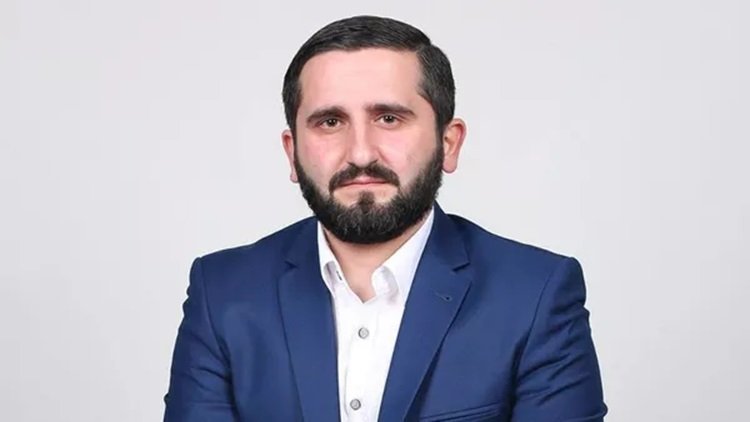
In an interview with News.Az, Georgian Iranologist Vasili Papava analyses the outcomes of the recent Russia-Azerbaijan-Iran trilateral meeting in Baku, examines shifting political dynamics in Iran, and comments on Tehran’s withdrawal from the 2015 nuclear deal. He also offers a preview of his forthcoming book, SAVAK: The Secret History of the Shah’s Intelligence Service.
– A trilateral meeting between Russia, Azerbaijan, and Iran was held in Baku, resulting in a communiqué on developing transport links and cargo transportation among the three countries. What are the expectations in Georgia regarding the strengthening of transport cooperation among Baku, Tehran, and Moscow?
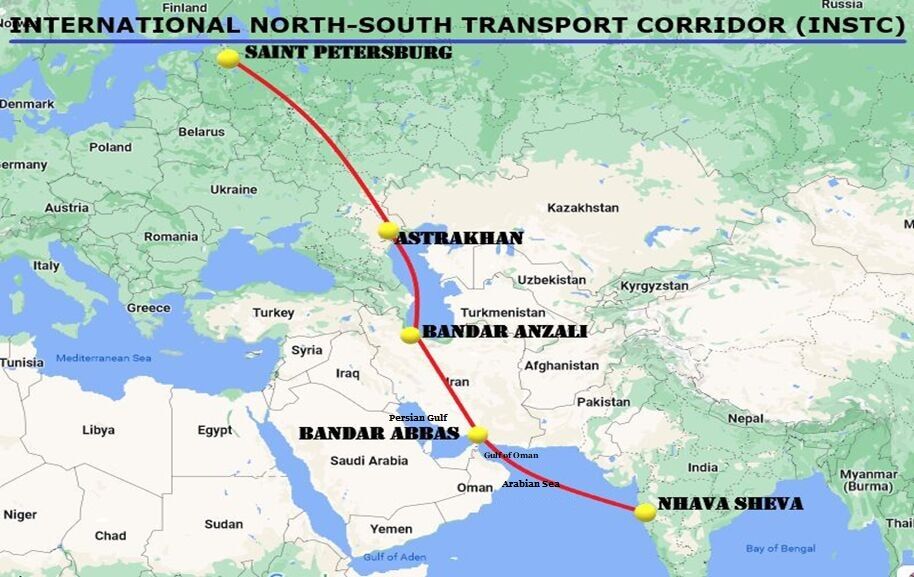
– The trilateral meeting in Baku between Russia, Azerbaijan, and Iran marks an important step toward shaping the regional transport archi represents an important step toward shaping the regional transport architecture, particularly in the context of the International North–South Transport Corridor (INSTC). The communiqué reflects the parties’ intention to enhance cooperation in logistics, energy, and customs coordination by creating institutional mechanisms for the corridor’s implementation, which is expected to reach a capacity of up to 30 million tons of cargo by 2030.
This development underscores the growing independence of regional actors amid global geopolitical shifts and their drive to reduce reliance on traditional maritime routes such as the Suez Canal.
For Georgia, historically a key player in east–west logistics, the rise of the North–South axis presents both a challenge and an opportunity. On one hand, the project strengthens the roles of Azerbaijan and Iran as transit bridges between Russia and South Asia, partially bypassing Georgian territory. This could diminish Tbilisi’s strategic importance in regional logistics and reduce cargo volumes through the ports of Poti and Batumi.
On the other hand, Georgia could still benefit from adjacent trade flows crossing its border with Azerbaijan, particularly if it integrates into the western branch of the North–South Corridor.
Source: Irna
Georgia’s economic expectations are pragmatic: increased transit through the Sadakhlo–Red Bridge crossing and joint projects with Azerbaijan could add several million tons of cargo annually, boosting customs revenue.
Moreover, regional infrastructure expansion, such as the Alat Port and the Baku–Tbilisi–Ceyhan pipeline, creates opportunities for Georgian businesses and deepens South Caucasus economic interdependence. At the same time, energy cooperation among Baku, Moscow, and Tehran could increase gas deliveries through the Southern Gas Corridor, where Georgia remains an important transit country.
However, political risks remain significant. The growing Russia–Iran–Azerbaijan partnership is seen in Tbilisi as a potential threat to its pro-Western course. There are concerns that Georgia could face geopolitical isolation, especially if Armenia joins new routes via Iran or the Zangezur Corridor. This might weaken Georgia’s position as a regional mediator and expose it to greater external pressure.
The domestic political context, including the upcoming elections, only adds to the tension: the ruling party highlights potential economic benefits, while the opposition warns of a “drift” toward Russia.
Overall, Georgia’s approach is shaped by its pursuit of balance. Tbilisi recognizes the inevitability of regional route reconfiguration and is seeking ways to integrate into new projects without jeopardizing its ties with the European Union and the West. The optimal strategy lies in diversifying transport routes, modernizing port infrastructure, and participating in multilateral initiatives to maintain its role as the South Caucasus transit hub.
This evolving situation reflects the region’s transition toward a new logistical reality in which Georgia’s success depends on its ability to blend economic pragmatism with political flexibility.
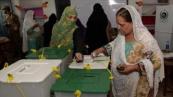
– Although there have been reports that Iran lifted the mandatory hijab requirement, in reality, the authorities have tightened measures concerning women’s appearance. How will this development affect Iranian society and politics overall?
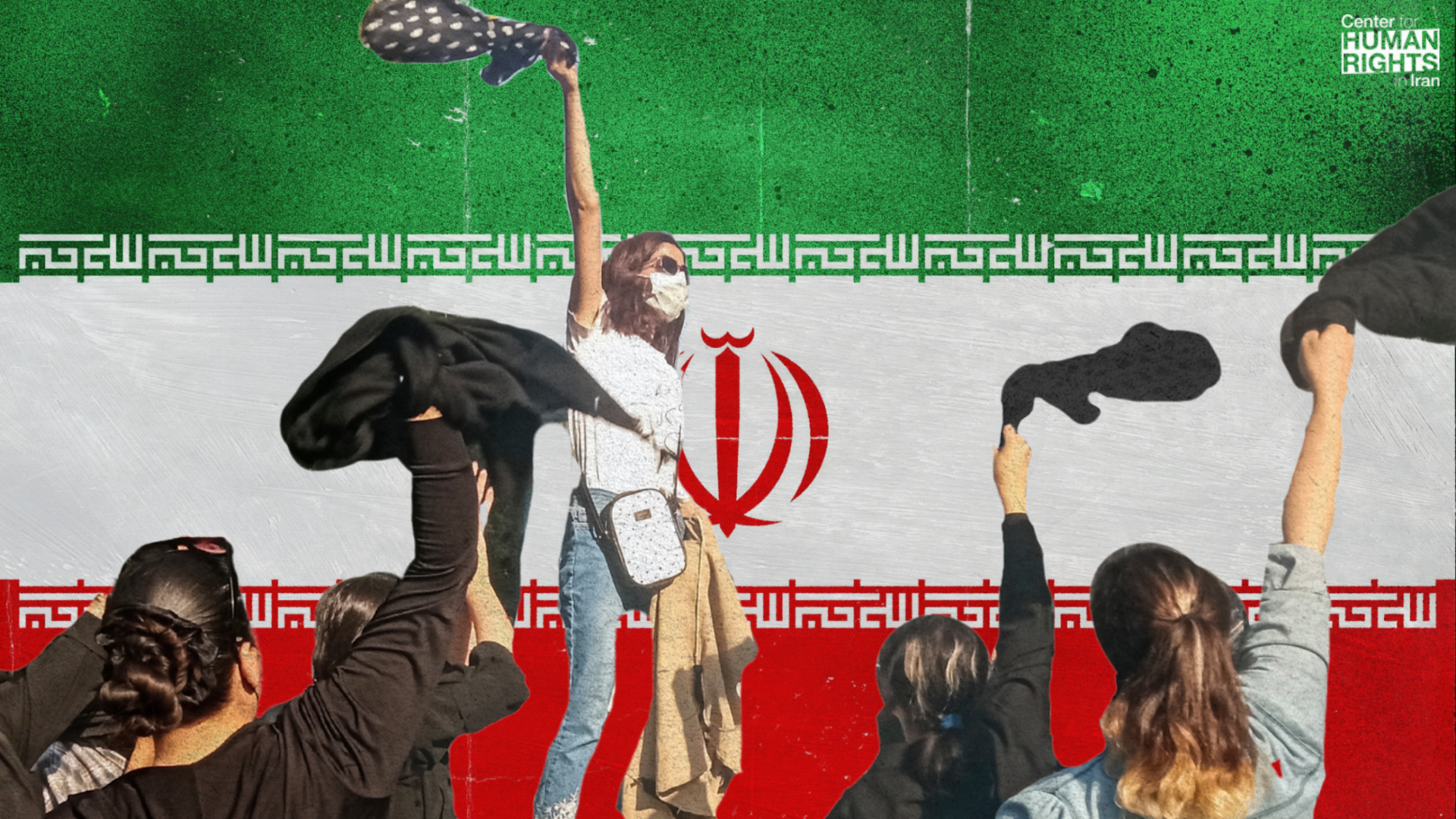
– In October, Iran intensified the enforcement of laws mandating the wearing of the hijab, despite the temporary suspension of the stricter “Hijab and Chastity” law adopted in 2024. The measures include inspections of businesses, administrative fines, video surveillance, facial recognition systems, and temporary restrictions on banking and public services for offenders.
These actions are a response to the rising number of violations in major cities and reflect the state’s determination to uphold established social and religious norms.
At the same time, a wide internal debate continues over the necessity and scope of these norms, especially since the 2022 protests sparked by Mahsa Amini’s death.
According to a 2022 GAMAAN survey, more than 70 percent of Iranians opposed the mandatory hijab, highlighting deep societal divisions on the issue.
The tightening of controls has far-reaching effects on the country’s social and economic life, particularly regarding gender roles, employment, and personal freedoms. Fines and restrictions disproportionately affect women, especially in the private sector, where some employers avoid hiring those who do not comply with dress code regulations. This reshapes the labor market, fuels informal employment, and, in some cases, encourages emigration.
At the same time, educational and governmental institutions have launched campaigns promoting “modesty and chastity,” supported by religious organizations. In major cities like Tehran, attitudes toward the hijab are increasingly relaxed, while in rural areas and smaller towns, enforcement remains much stricter—widening the divide between urban and traditional segments of society. The younger generation, in particular, tends to express its stance through subtle acts of defiance or symbolic dissent.
Source: IranHumanRights
The hijab issue carries both cultural and political dimensions, forming part of a broader national debate on governance, religious identity, and individual rights.
Within Iran’s political establishment, divisions have emerged between reform-minded officials advocating flexibility and conservatives emphasizing traditional values as the foundation of national unity.
President Massoud Pezeshkian supports a more moderate approach and gradual relaxation of restrictions, while many MPs and clerical leaders insist on preserving moral discipline. This reflects Iran’s internal struggle to balance modernization with ideological continuity.
On the international stage, the hijab question continues to attract attention from human rights organizations and global media. Opinions remain divided between critics of state-imposed restrictions and defenders of cultural sovereignty. Within Iran, such foreign attention is viewed ambivalently: some see it as external interference, while others regard it as a platform for debating the balance between religious and civil rights.
Ultimately, the stricter enforcement of hijab rules underscores the authorities’ determination to preserve Iran’s cultural and religious identity while revealing growing pluralism in public attitudes.
For many Iranians, the hijab has transcended its religious meaning to become a symbol of broader social transformation -modernization, individualization, and the redefinition of gender roles. In the long term, Iran’s future will depend on the ability of both the state and society to find a compromise between tradition and social evolution.
The country is undergoing a phase of internal transformation in which the hijab serves as both a reflection and a catalyst of political and cultural change.
– How is your work progressing on your book SAVAK: The Secret History of the Shah’s Intelligence Service?
– I am currently in the final stages of completing my monograph SAVAK: The Secret History of the Shah’s Intelligence Service. Its purpose is not merely to recount historical events but to provide a structural and analytical study of SAVAK as a key institutional pillar of the Pahlavi regime.
This will be the first comprehensive scholarly work in the region’s historiography, based on a wide range of sources and analyzing SAVAK as a complex power institution. The manuscript is expected to be submitted to an academic publisher in early 2026.
The monograph offers a systematic analysis of the organization, showing how its internal structure - from intelligence and counterintelligence departments to its archival service - enabled total political control over society and the elite. Its central thesis is that SAVAK was not merely a repressive agency but a sophisticated organism integrated into international networks such as the CIA and Mossad, functioning as a principal stabilizer of authoritarian power. A significant share of its resources, particularly in counterintelligence, was devoted to combating KGB infiltration, reflecting Iran’s position as a Cold War battleground.

Source: IRGC
The study contributes to several fields of research. First, it explores the history of 20th-century authoritarianism, with SAVAK serving as a model for how security agencies evolve into dominant instruments of political repression. By the early 1970s, the organization had transformed from a security apparatus into a powerful political structure that actively shaped national life.
Second, it examines the mechanisms of state violence and social control, identifying universal patterns in the functioning of repressive systems beyond the Iranian case.
The scholarly value of this work lies in its interdisciplinary approach, combining political science and historical analysis to create a multidimensional model for understanding the role of intelligence agencies in nondemocratic regimes.
The publication aims to make a substantial contribution to academic understanding of authoritarian governance and its institutional logic.
– Iranian authorities have declared that they are no longer bound by the 2015 Joint Comprehensive Plan of Action (JCPOA), under which international sanctions were lifted in exchange for restrictions on Tehran’s nuclear program. What consequences do you foresee for Iran’s foreign policy following this decision?
– Iran’s announcement on October 18, 2025, of its withdrawal from the JCPOA after the expiration of UN Security Council Resolution 2231 marks a shift from a policy of diplomatic balance to one of confrontational autonomy, in which the nuclear threshold becomes the centerpiece of foreign policy.
This development is not a sudden break but rather the culmination of the deal’s gradual erosion following the U.S. withdrawal in 2018, compounded by the European “E3” decision (the UK, France, and Germany) in August 2025 to reinstate UN sanctions.
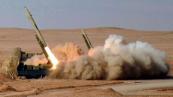
With reduced IAEA inspections, approximately 400 kilograms of uranium enriched to 60 percent, and increasing technological capacity, Iran is now nearing the capability to produce weapons-grade material within weeks. The nuclear program has thus evolved from a bargaining tool into a strategic asset—enhancing deterrence against Israel and the United States but also heightening the risk of renewed preemptive strikes, as seen earlier this year.

Source: PRESS TV
Economically, this step further isolates Iran from Western markets. Oil exports fell by 20 percent in 2025 due to sanctions and attacks on infrastructure; inflation remains close to 40 percent, and IMF forecasts project GDP growth of only 0.6 percent.
In response, Tehran is deepening its “Look East” policy: trade with China has increased by 15 percent, and agreements worth more than $25 billion have been signed with Russia in the nuclear energy sector. Membership in BRICS and the SCO provides access to alternative financial channels, including settlements in yuan and rubles, reducing dependence on the dollar and the SWIFT system. Yet this also heightens exposure to economic volatility in China and Russia, increasing pressure on President Massoud Pezeshkian’s reformist camp, whose promises of sanction relief are becoming increasingly unrealistic.
On the global stage, Iran seeks to portray itself as a victim of Western pressure, relying on the support of Russia and China at the UN Security Council, where both countries have called the reinstatement of sanctions illegal. While this strengthens the notion of a multipolar world, it weakens Tehran’s influence within international institutions: IAEA inspections have sharply declined, and dialogue with Europe is effectively frozen. The prospects for reviving nuclear negotiations remain minimal.
As a result, Iran’s foreign policy is becoming both more assertive and more fragile. Continued economic decline and unfulfilled nuclear ambitions could trigger new waves of domestic unrest reminiscent of the 2022 protests.
In the long run, Tehran’s withdrawal from the JCPOA undermines the global nonproliferation regime and adds volatility to the international landscape. For Iran, this move represents a gamble for survival through demonstrations of strength - something fraught with high costs and uncertain outcomes.
By Asif Aydinli
News.Az