Why the United States and Azerbaijan are reassessing the role of international organizations


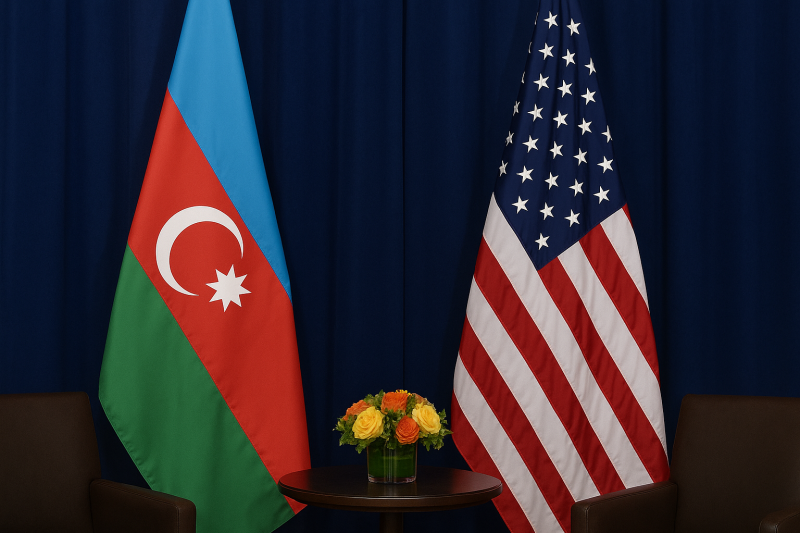
The American leader’s decision to suspend U.S. participation in dozens of international organizations has emerged as one of the most significant developments early this year. Expert circles and media quickly framed it as evidence of a deep crisis in multilateral diplomacy and the erosion of global governance. Yet this interpretation, for all its surface plausibility, confuses cause and effect. What is unfolding is not the collapse of diplomacy as a tool, but a crisis of the international institutions themselves — organizations that have ceased to reflect the realities of the 21st century.
Responsibility for the U.S. withdrawal from several structures lies less with Washington than with the system built around the United Nations and its many agencies. These organizations were created in the postwar era, with a different balance of power, a different security architecture, and a different understanding of sovereignty. Today, however, they frequently struggle to respond effectively to armed conflicts, humanitarian crises, migration flows, and new forms of economic and political pressure.
iStock Photo
While formally retaining a universal mandate, many UN structures have in practice become cumbersome bureaucracies where reporting replaces results and politicized approaches overshadow professional expertise. For this reason, the U.S. withdrawal from institutions such as the United Nations Population Fund was less a shocking gesture than the logical culmination of long-standing disappointment with their practical impact.
Equally telling is the parallel U.S. exit from the Venice Commission under the Council of Europe. For years, this body positioned itself as a neutral expert authority, yet it has increasingly been perceived as a tool of political pressure and ideological oversight. Its recommendations often ignored national contexts, levels of institutional development, and the sovereign right of states to determine their own models of political evolution.
Seen in this light, Azerbaijan’s decisions appear less as an exception and more as part of a broader international trend. In 2025, Baku also suspended the activities of several international organizations whose effectiveness raised legitimate doubts. The offices of the United Nations High Commissioner for Refugees and the United Nations Development Programme in Baku were closed. These steps were pragmatic, not performative, reflecting a careful assessment of costs versus tangible benefits rather than loud political messaging.
It is important to stress that Azerbaijan is not rejecting international engagement, nor is it isolating itself from global processes. What is taking place is a redistribution of priorities and a refusal to participate formally in structures that have lost their ability to deliver practical value. Baku is focusing on cooperation formats where decisions are made more swiftly and responsibilities are clearly defined.
This approach is not new. In 2014–2015, Azerbaijan closed the office of the Organization for Security and Cooperation in Europe in Baku for similar reasons: limited effectiveness, politicization of its mandate, and an inability to respond adequately to key regional security challenges. At the time, the decision sparked debate, but subsequent developments have only confirmed its rationale.
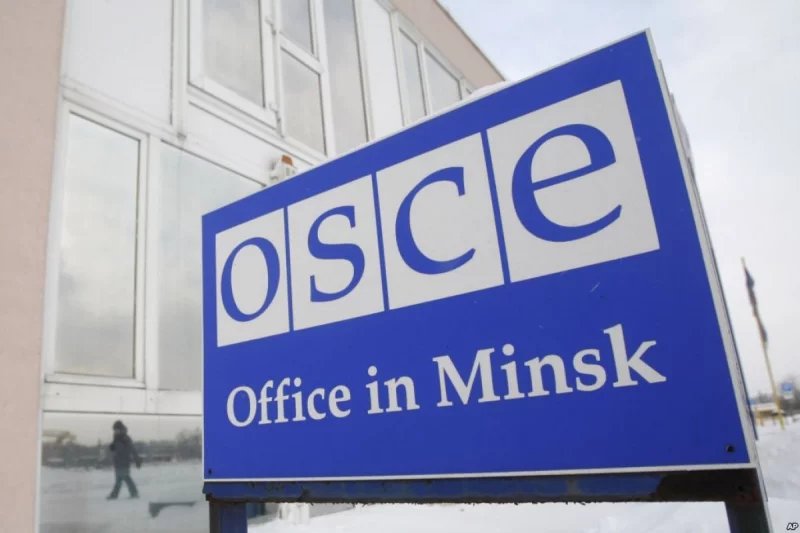
Photo credit: AP
The Venice Commission occupies a particularly notable place in this sequence. For years, it sought to act as an external arbiter on elections, constitutional development, and political reform, often exceeding the bounds of expert consultation. At a time when Western democracies themselves are grappling with legitimacy crises, societal polarization, and declining trust in electoral institutions, such a posture appears increasingly unconvincing.
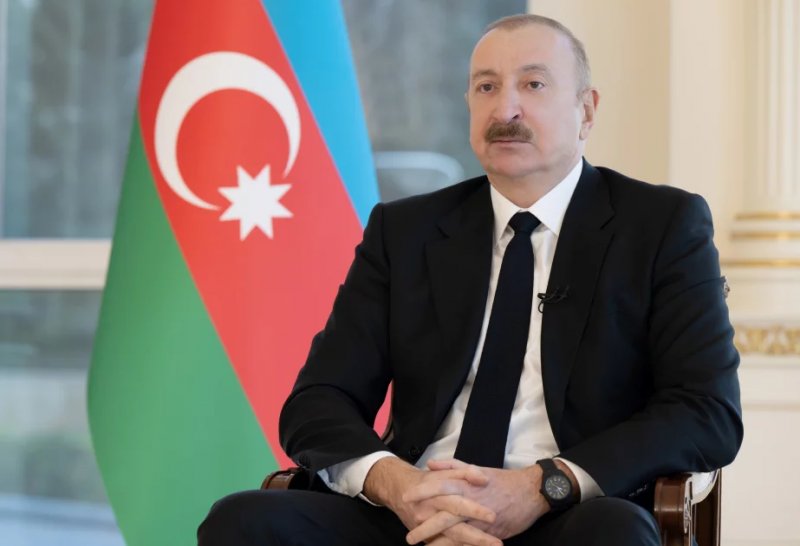
The broader context is a systemic crisis in international law and the mechanisms for its enforcement. International norms are violated with growing frequency and little consequence; resolutions remain largely symbolic; and principles of sovereignty are applied selectively. Azerbaijani President Ilham Aliyev has repeatedly highlighted that, in today’s world, international organizations are often paralysed, while real power becomes the decisive factor in decision-making.
By Tural Heybatov


Similar news