What 2025 revealed about Azerbaijan’s diplomatic strategy


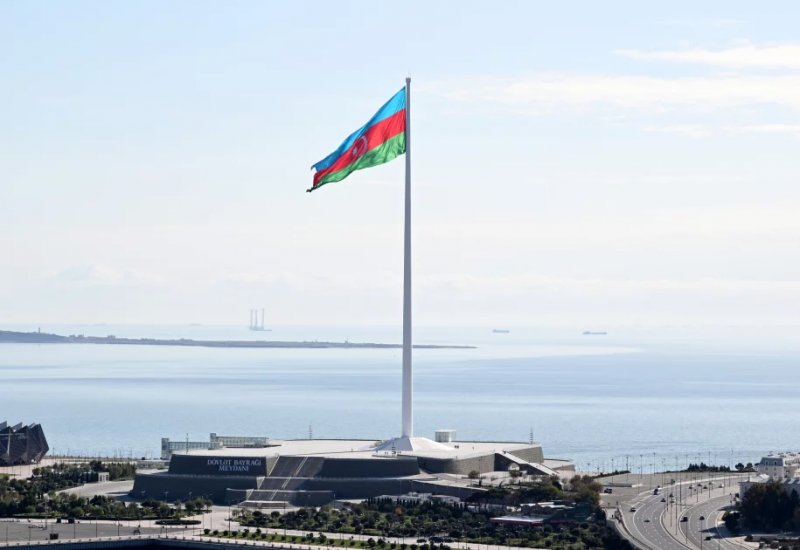
The year 2025 marked a milestone of foreign policy maturity for Azerbaijan. Not because the country appeared on the international stage for the first time — that had happened long ago, but because Baku finally moved beyond a reactive approach and began shaping the political environment around it. This was the year when Azerbaijan’s foreign policy ceased to be a byproduct of regional crises and became an independent instrument of influence.
The formalization of a comprehensive strategic partnership with China was more than a diplomatic achievement. It was a clear indicator of Azerbaijan’s ability to integrate into major geopolitical frameworks without being absorbed by them. This was not about choosing sides; it was about engaging global centers of power on equal terms while maintaining an independent agenda. At a time when many states are forced to navigate between competing blocs, Baku demonstrated a level of stability and predictability that remains rare in the region.
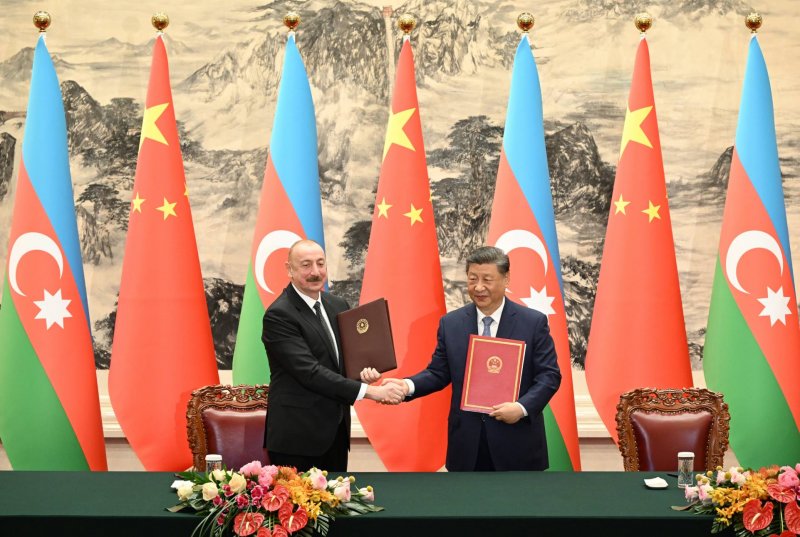 The Joint Statement on the Establishment of a Comprehensive Strategic Partnership between the Republic of Azerbaijan and the People’s Republic of China was signed in Beijing on April 23, 2025. (Photo: AZERTAC)
Equally revealing was Azerbaijan’s admission as the only new member of the Developing Eight organization. This decision did not occur in isolation. It reflected a growing demand from the developing world for partners that do not lecture or impose models, but instead offer practical cooperation. In 2025, Azerbaijan was seen precisely in this way: as a state without a colonial past or ideological missionary ambitions, yet with real experience in post-conflict recovery, crisis management, and regional integration.
Another milestone was Azerbaijan’s inclusion in the consultative format of Central Asian heads of state. In November 2025, this step became formalized, though in reality the process had been unfolding for years. Baku has long moved beyond the confines of a purely South Caucasus identity. Its participation in Central Asian political architecture reflects recognition of objective geopolitical realities, where the Caspian is no longer a dividing line but a connecting space. Once again, Azerbaijan expanded the boundaries of what was considered acceptable, without confrontation or demands for special status.
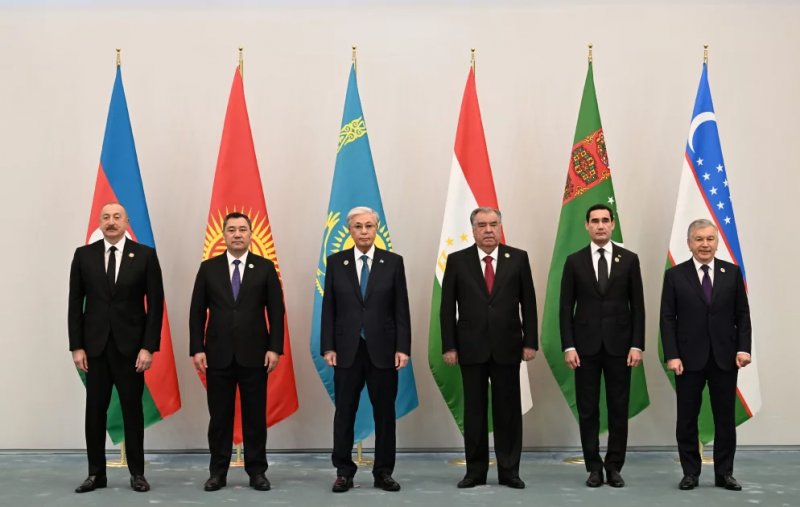 On November 16, 2025, President Ilham Aliyev attended the 7th Consultative Meeting of the Heads of State of Central Asia in Tashkent, Uzbekistan (Photo: AZERTAC)
Much has been said about Azerbaijan’s role as a bridge. In 2025, it became clear that this was not a metaphor tied to transit routes, but a political function. To be a bridge means communicating with different sides without losing the trust of any of them. This requires discipline, strategic patience, and a rejection of emotional diplomacy. Throughout the year, Baku consistently demonstrated this model in practice.
It was no coincidence that many international forums and summits in 2025 were held in Khankendi, Shusha, and Gabala. This was not a gesture of demonstration, but a statement of normality. Azerbaijan showed that the formerly occupied territories are a natural part of the country’s international political and humanitarian landscape. In effect, Baku offered the world a new narrative, in which post-conflict spaces are not objects of external control, but platforms for dialogue.
Against this backdrop, the peace agenda with Armenia acquired particular significance. The Joint Declaration signed in Washington under U.S. mediation may have been the most underestimated event of the year — not because it resolved every issue, but because it marked a fundamental shift in logic. For the first time in decades, the South Caucasus began to be viewed not solely through the lens of conflict. Azerbaijan was the key driver of this shift, not as a party demanding concessions, but as a state proposing an architecture for the future.
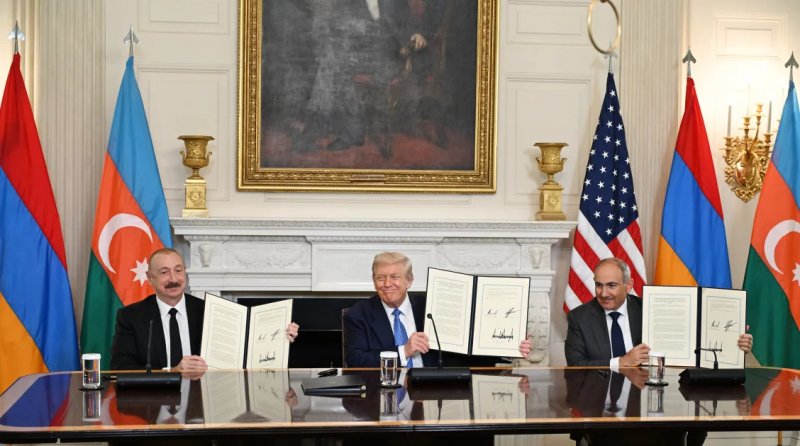 On August 8, 2025, the presidents of Azerbaijan and the United States, along with the prime minister of Armenia, signed the Joint Declaration in Washington, D.C. (Photo: AZERTAC)
The geography of Azerbaijan’s foreign policy activity in 2025 also deserves attention. From the United States and China to Türkiye and the broader Eurasian space, Baku acted without abrupt turns or ideological swings. This was not balance for the sake of balance, but a conscious strategy rooted in decision-making sovereignty. That is why Azerbaijan now maintains strategic partnerships and allied relations with 27 states. This is not merely a statistic; it is a measure of trust.
A separate point must be made about Azerbaijan’s role within the Organization of Turkic States. In 2025, this role moved beyond symbolism. The Turkic platform ceased to be a club of shared identity and began functioning as a practical mechanism of political coordination. Azerbaijan positioned itself not as a dominant actor, but as a moderator — a subtle yet critically important distinction.
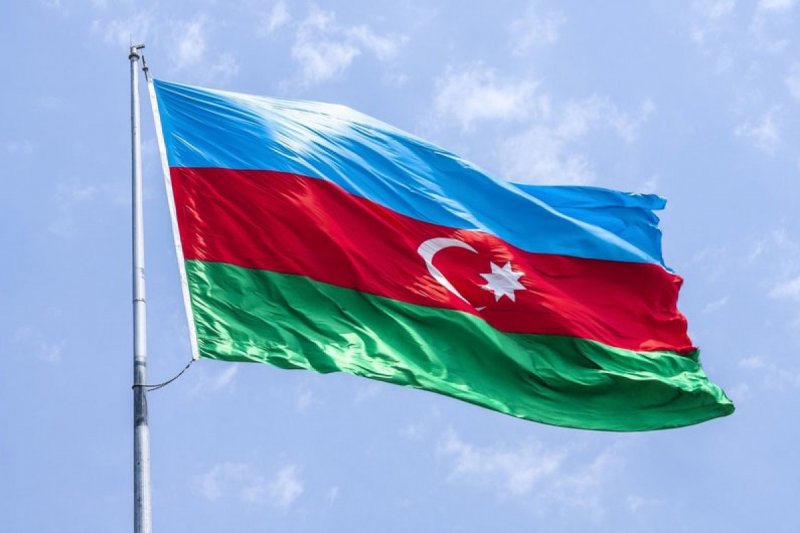 Photo: Trend
Personal diplomacy also played a significant role. Twenty foreign visits by President Ilham Aliyev during the year reflected more than activity; they demonstrated demand for direct dialogue with Baku. In a world increasingly tired of intermediaries and abstract formulas, direct political contact has once again become a key strategic resource.
Ultimately, 2025 showed that Azerbaijan no longer needs to prove its right to agency. It simply exercises it — calmly, deliberately, and without unnecessary noise. Perhaps that is its most important foreign policy achievement of all.
By Samir Muradov


Similar news