Azerbaijani gas expands its presence in Europe


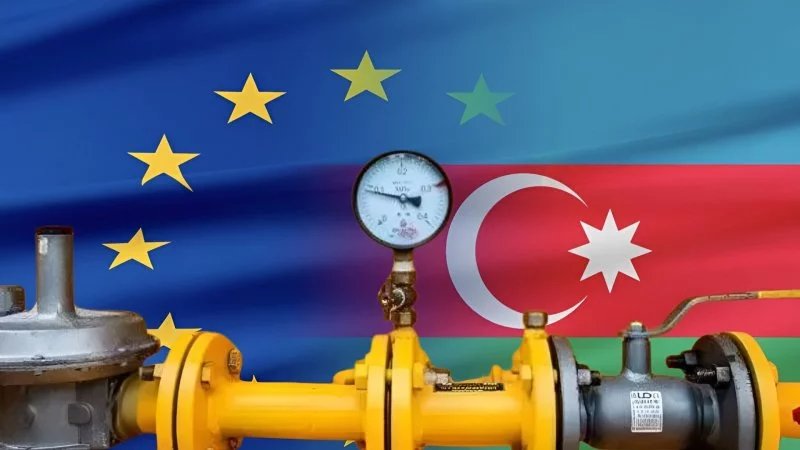
The process of filling gas storage facilities has begun in European Union countries. The heating season has recently ended, and efforts are now focused on building up reserves.
According to data from Gas Infrastructure Europe, as of mid-April, underground gas storage facilities are filled to nearly 30 per cent, amounting to more than 32 billion cubic metres. In accordance with European Commission requirements, member states’ gas storage facilities must be filled to 90 per cent between 1 October and 1 December.
The process is underway despite rising gas prices caused by the war in the Middle East and competition for LNG. Earlier forecasts suggested that by next winter the European Union would not be able to fill its storage facilities even to 70 per cent; however, the current pace indicates that Europe is making progress in diversifying its energy supply sources.
One such source is Azerbaijan, which has already proven its indispensability.
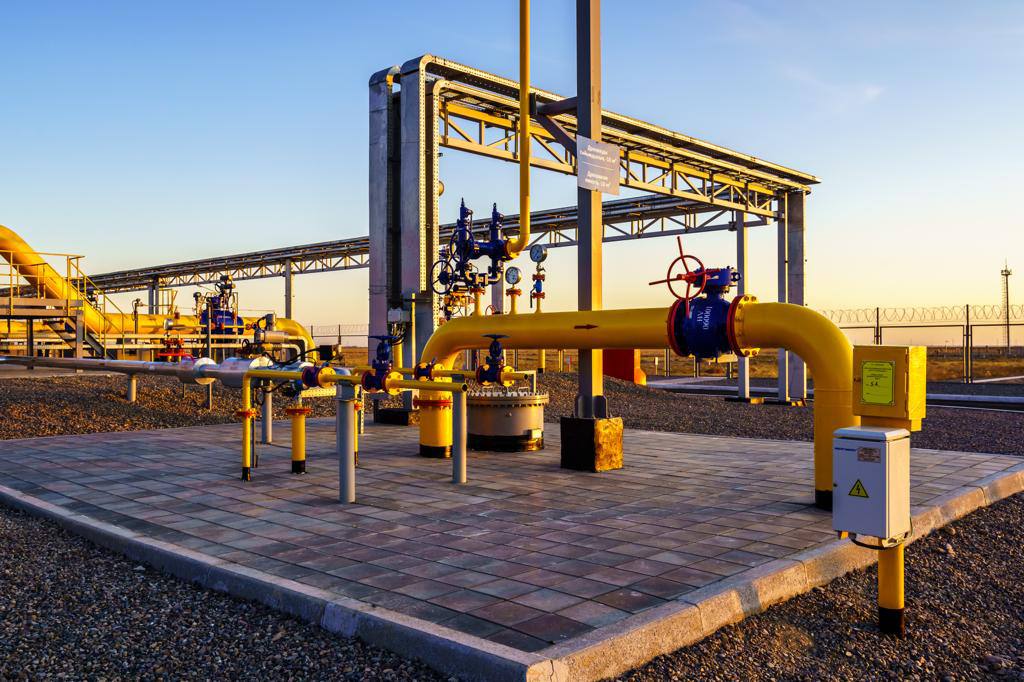
Source: Reuters
From January to March 2026, Azerbaijani gas exports reached 6.5 billion cubic metres. Of this, 3 billion cubic metres were supplied to Europe. In the overall scale of European purchases, this may seem a modest figure; nevertheless, European countries are increasingly looking towards the South Caucasus as a source of energy security. Cooperation with Baku implies reliability and stability and is not subject to political fluctuations.
In other words, by purchasing fuel from Azerbaijan, European partners receive it without the burden of political conditions. For Azerbaijan itself, oil and gas exports mean not only revenue but also strengthening its position on the international stage, advancing its interests and expanding support for Baku’s stance in Europe on various issues. These are objectives rather than conditions of the business Azerbaijan conducts. It can be said that virtually all of them have been achieved without causing harm or inconvenience to importers.
In May, Serbia’s President Aleksandar Vučić will visit Baku to participate in the 13th session of the World Urban Forum. Recently, the Serbian leader held a phone call with Azerbaijani President Ilham Aliyev. The two heads of state exchanged views on further strengthening bilateral relations and discussed plans to deepen economic cooperation, develop interaction in the energy and investment spheres, and launch new joint projects of strategic importance for both countries.
A week earlier, Serbia’s Minister of Mining and Energy Dubravka Đedović Handanović visited Baku. In an interview with journalists, she noted that following the commissioning of the Serbia-Bulgaria interconnector, the country has been importing Azerbaijani gas for the third year and is simultaneously building a gas-fired power plant in Niš together with the Azerbaijani side. Over three years, supply volumes have doubled, reaching 2 million cubic metres per day in 2025. An increase in supplies is under discussion.
At present, Azerbaijan is a key partner for Serbia in diversifying energy supplies. The agreement between SOCAR and Srbijagas envisages the supply of up to 400 million cubic metres of gas annually for the period 2024 to 2026. In April, the parties extended the gas supply contract until the end of 2026. In future, an increase in import volumes to 1 billion cubic metres per year is being discussed. For this purpose, Belgrade is considering the construction of new interconnectors through North Macedonia and Greece.
During a visit to Belgrade in February, President Ilham Aliyev stated that relations between the two countries in the energy sector are now developing in a multidimensional format. “Some time ago, we began exporting natural gas to Serbia, and today we decided to increase export volumes. Now we will also be engaged in the conversion of gas exported to Serbia, which will allow us to obtain additional volumes of clean electricity. This will create opportunities both for the Serbian market and for future exports,” the head of state emphasised.
The President of Azerbaijan referred to a gas-fired power plant with a capacity of 350 MW of electricity and 150 MW of thermal energy, which is being built with Azerbaijani support near the Serbian city of Niš. In February, Azerbaijan and Serbia signed the relevant agreement. The project will be implemented by a joint venture created by the Serbian state power company Elektroprivreda Srbije, the state gas supplier Srbijagas, and SOCAR.
Following the signing of the agreement, Minister Dubravka Đedović Handanović emphasised that Azerbaijan has become Serbia’s first partner in diversifying gas supplies, which, according to her, will ensure the long-term stability of the country’s energy system.
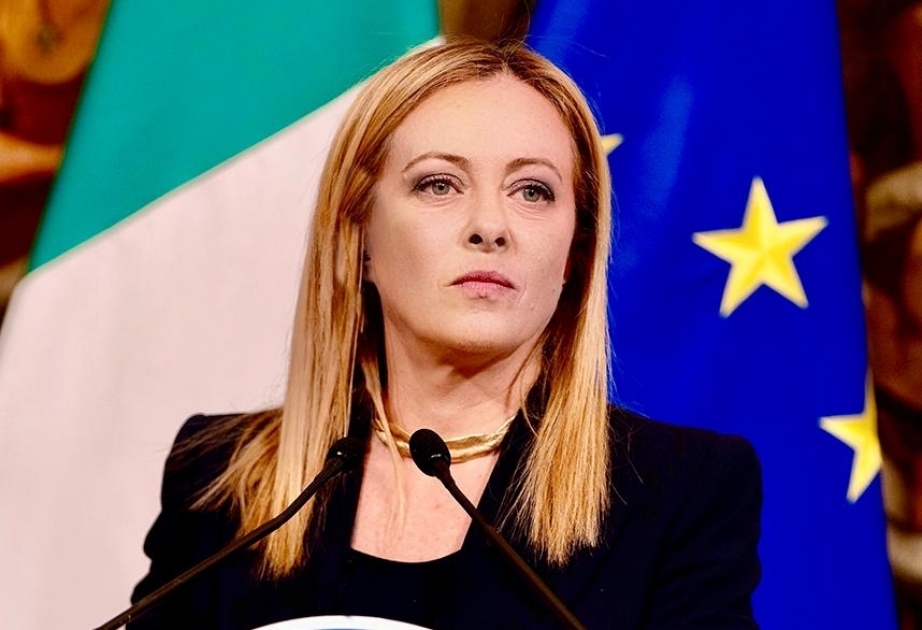
Prime Minister of Italy Giorgia Meloni
It was recently announced that Italy’s Prime Minister Giorgia Meloni is expected to visit Azerbaijan in May or June. Energy is one of the key components of Italian–Azerbaijani relations.
The Managing Director of the Trans Adriatic Pipeline, Luca Schieppati, reported that since the start of commercial operations, more than 47.5 billion cubic metres of natural gas have been delivered to Italy through the pipeline. He also noted that, overall, more than 57 billion cubic metres of gas have been supplied across Europe via TAP, contributing to the diversification of supply routes and enhancing the resilience of the European gas system. Italy is the main destination for Azerbaijani gas through TAP and an important entry point for pipeline supplies to the European market.
According to the Italian company Snam, in 2025 gas transported through TAP accounted for about 16.5 per cent of Italy’s total gas imports and approximately 25 per cent of pipeline gas imports excluding LNG. Recently, upgrades were carried out at a compressor station in Greece, increasing the system’s capacity by 1.2 billion cubic metres per year.
The possibility of diversifying gas supplies through Azerbaijani fuel is also being considered by Slovenia, as stated by the country’s Minister of Environment, Climate and Energy Bojan Kumer. According to him, Slovenia is in the process of diversifying its sources and routes of energy supply, and Azerbaijan is part of this process.
In December 2025, the Hungarian company MVM Group and SOCAR signed a two-year agreement allowing Hungary to purchase up to 0.8 billion cubic metres of gas upon request in 2026 and 2027. Earlier, the Czech Republic also officially expressed interest in Azerbaijani gas. Today, Azerbaijan is one of the largest suppliers of oil to the country, and opportunities are now being considered to expand energy cooperation by including Caspian gas.


Similar news